…ld lead to a diagnosis no parent ever wants to hear and a warning that has since spread through parent groups nationwide.
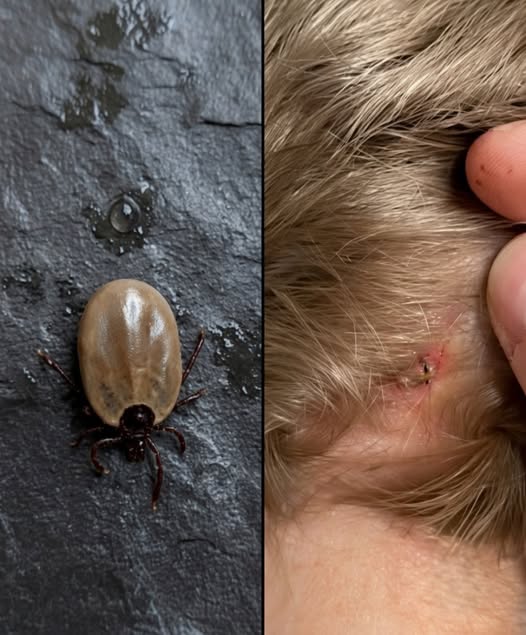
At first glance, it looked like an ordinary insect bite or maybe a small cyst. But when I parted her hair under bright light, I saw something far more alarming: a tiny, dark lesion with an unusual pattern around it. Emma winced when I touched it gently. That night, after she fell asleep, I spent hours researching similar symptoms online, my stomach in knots. By morning, I had an appointment with our pediatrician. What should have been a quick check turned into an urgent referral to a specialist. The words “possible melanoma” came up, and suddenly our ordinary life became a medical emergency.
The biopsy confirmed the worst fears. Emma had been diagnosed with an early-stage but aggressive form of skin cancer that had developed unusually fast. The doctors explained that while skin cancer is less common in young children, certain genetic factors and environmental exposures can trigger it. What made Emma’s case particularly shocking was how it hid in plain sight — tucked beneath her thick, blonde hair where neither we nor her teachers had noticed it during routine checks. The lesion was small, but its location and rapid growth made it dangerous. If we had waited even a few more weeks, the outcome could have been devastating.
The months that followed were a blur of surgeries, treatments, and emotional rollercoasters. Emma showed incredible bravery for her age, enduring procedures with a courage that humbled everyone around her. We learned that early detection through regular scalp checks can make all the difference. The cancer was caught before it spread, and after successful treatment, Emma is now cancer-free and thriving. But the experience left our family forever changed — more vigilant, more grateful, and more aware of how easily serious conditions can hide in places we rarely think to look.
This nightmare isn’t as rare as we’d like to believe. Pediatric dermatologists report increasing cases of skin issues in children, including cancers, often hidden under hair, behind ears, or in skin folds. Sun exposure, genetic predisposition, and environmental factors all play roles. Many parents assume skin cancer only affects adults with years of sun damage, but the reality is shifting. Children’s skin is more delicate and vulnerable, and what starts as a small spot can progress quickly if ignored.
Prevention and early detection are our best weapons. Parents should make scalp checks part of regular bath time routines, using a fine-tooth comb and bright light to look for unusual spots, bumps, or changes in skin texture. Teach older children to speak up if something feels different or itchy. Protect young skin with hats, sunscreen, and shade, especially during peak sun hours. And never dismiss persistent complaints about discomfort, even if the child can’t fully explain what’s wrong.
Emma’s experience taught our family that vigilance isn’t paranoia — it’s love in action. We now celebrate every clear scan with ice cream and gratitude. She’s back to playing, laughing, and being a normal six-year-old, but with a wisdom beyond her years about the importance of listening to your body. If your child complains about anything unusual — even something as seemingly minor as an itchy scalp or a small bump — don’t dismiss it. Listen. Look closer. Act quickly. The difference between early detection and late discovery can be measured in peace of mind, treatment options, and precious time with the ones you love most.