The deeper betrayal emerged when the financial records were uncovered. The real tragedy was not simply stolen money. It was the long-term misuse of trust—both legal and emotional. A grandfather’s inheritance represented care intended to protect a granddaughter’s future. Instead, it became a hidden source of comfort for people who convinced themselves they were entitled to it.
What often happens in families like this is gradual moral compromise. One withdrawal becomes “temporary help.” One misuse becomes “family necessity.” Over time, people stop seeing the line they crossed years earlier. By the time Veronica canceled the wedding, she was no longer acting only out of pride. She was protecting a false structure built on secrecy and rationalization.
The daughter’s response showed an important shift: she stopped seeking approval and started seeking truth. Investigating the records instead of collapsing emotionally changed the direction of her life. Pain became clarity. And clarity often marks the beginning of freedom.
Ethan’s quiet support also mattered deeply. In difficult family situations, a healthy partner does not inflame chaos or push revenge. They provide steadiness while the wounded person regains perspective and confidence. His presence helped create a foundation strong enough to face both betrayal and public exposure without losing balance.
The trial itself was not merely about punishment. It was about restoring accountability where manipulation had operated unchecked for years. The judge’s rejection of Veronica’s excuses carried an important moral truth: using family ties to justify exploitation does not erase the harm. Love cannot survive where honesty is repeatedly sacrificed for comfort and control.
Still, the story’s most meaningful victory was not the public scandal or financial settlement. Public humiliation fades quickly and rarely heals anything on its own. The true victory came later—in the quieter rebuilding of life.
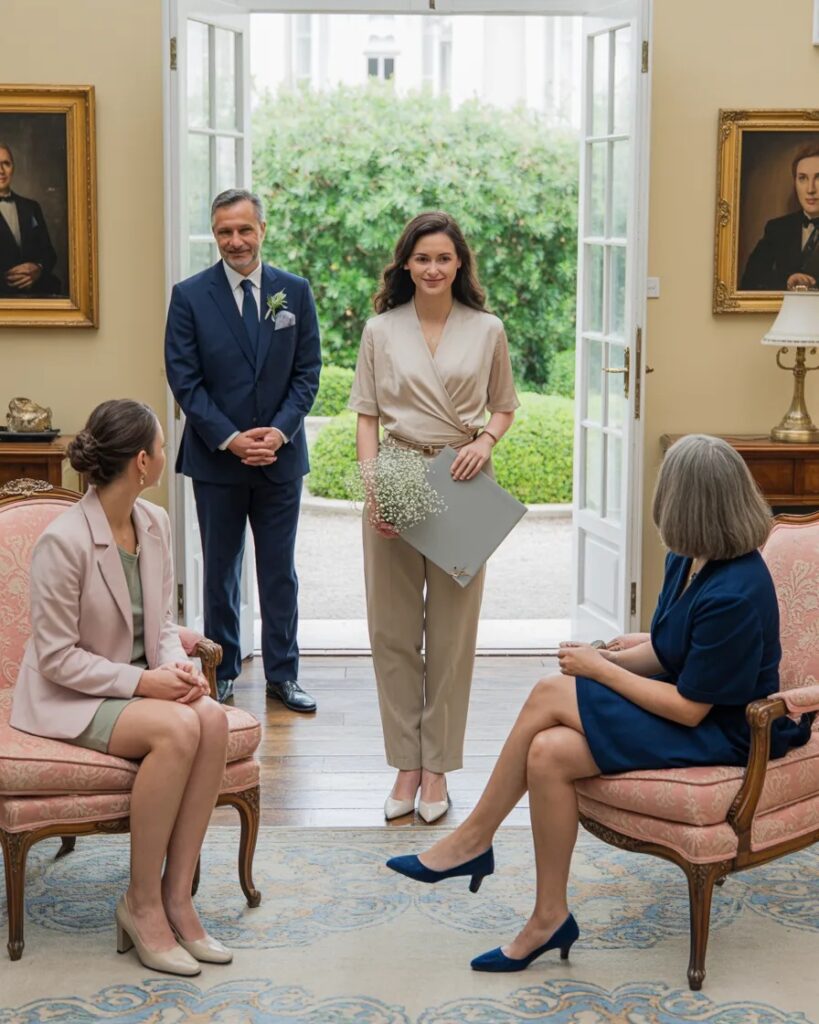
The intimate wedding surrounded by sincere people reflected something healthier than the grand image Veronica once wanted to maintain. Real celebration does not require social approval to be meaningful. It requires trust, peace, and the freedom to stand beside people who genuinely wish you well.
Opening the bridal design studio carried symbolic weight too. Something meant to destroy her future ultimately became part of building a new one. Instead of remaining trapped in bitterness, she used restored resources to create work connected to beauty, creativity, and new beginnings for others.
Cutting ties with family is never emotionally simple, even when necessary. There is grief inside that kind of separation because people are not only mourning what happened—they are mourning what should have existed but never truly did. Yet boundaries sometimes become the only path toward emotional safety and honesty.
In the end, the story is less about revenge against toxic relatives and more about reclaiming authorship over one’s own life. The daughter stopped confusing obedience with loyalty and appearances with love. Once she did, she was finally able to build a future shaped by integrity rather than fear of disappointing others.