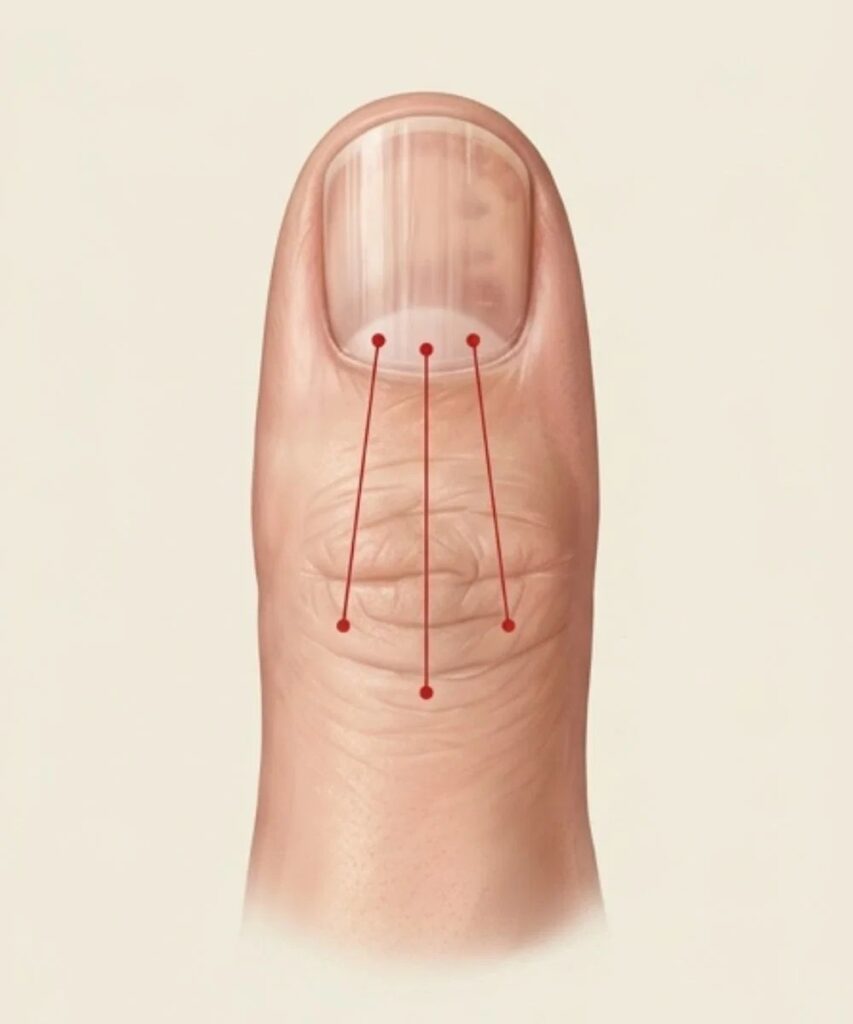
The thyroid is a small butterfly-shaped gland located in the neck. Even though it is small, it plays a major role in regulating metabolism, body temperature, heart rate, energy levels, and overall hormone balance. When thyroid hormone levels become too high or too low, the effects can appear throughout the body — including in the nails.
How the Thyroid Can Influence Nail Health
Because nails grow from living tissue beneath the skin, they often reflect changes happening inside the body. Hormonal imbalances may affect how quickly nails grow, how smooth they appear, and whether they become stronger or weaker over time.
When the thyroid is not functioning properly, people may notice changes not only in their nails but also in their skin, hair, weight, mood, and energy levels.
Signs of Hypothyroidism in the Nails
Hypothyroidism occurs when the thyroid gland does not produce enough hormones. This slows down many processes within the body and may lead to symptoms such as fatigue, dry skin, weight gain, constipation, thinning hair, and increased sensitivity to cold temperatures.
Nails may also begin to change gradually. Some people notice that their nails become dry, brittle, or unusually weak. Others may experience slower nail growth, splitting, or more visible ridges running along the nail surface.
In some cases, nails may start breaking more easily than before, even during simple daily activities.
Nail Changes That May Appear With Hyperthyroidism
Hyperthyroidism is the opposite condition, occurring when the thyroid produces excessive amounts of hormone. This can speed up body functions and trigger symptoms such as nervousness, sweating, rapid heartbeat, trembling hands, trouble sleeping, and unexpected weight loss.
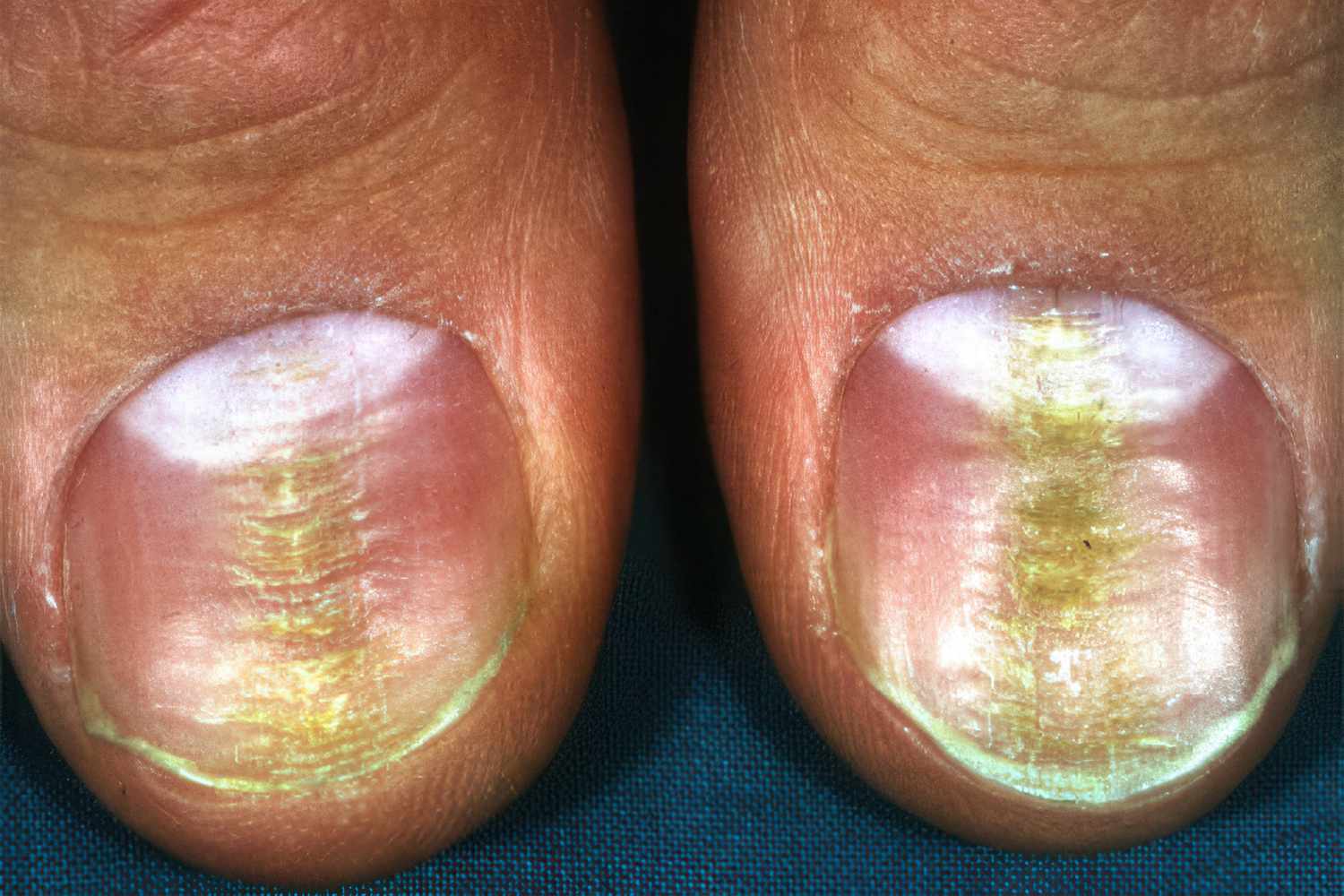
Nails can also be affected. Some individuals may develop thinner or softer nails that break more easily. In certain cases, the nail may begin separating slightly from the nail bed, although this symptom does not happen to everyone with thyroid disease.
Because thyroid symptoms vary widely between individuals, nail changes usually appear alongside other physical signs rather than alone.
Nail Ridges Are Not Always a Warning Sign
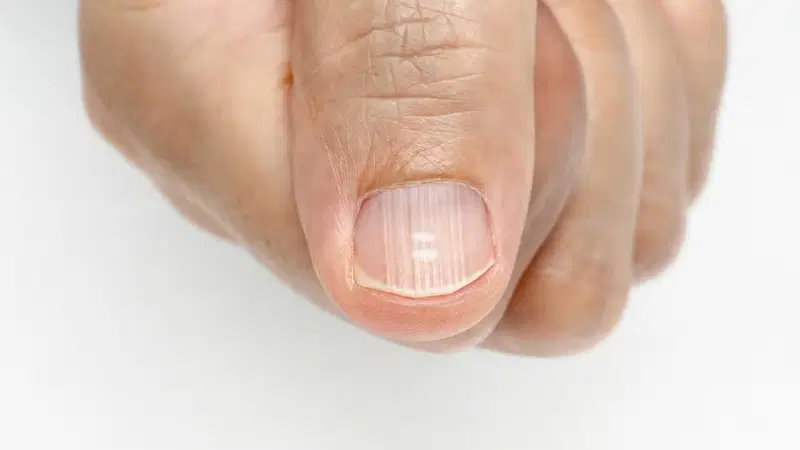
It is important to remember that ridges in the nails do not automatically indicate thyroid disease.
Vertical ridges — lines that run from the bottom of the nail toward the tip — are extremely common and often become more noticeable with age. They may also appear due to dehydration, repeated exposure to water, harsh cleaning chemicals, or minor nail trauma.
Horizontal ridges can sometimes develop after illness, stress, fever, injury, or periods when the body temporarily slowed nail growth.
For this reason, nail changes should be viewed as a possible clue rather than a diagnosis.
When Nail Changes Should Be Checked
Although many nail changes are harmless, it may be wise to speak with a healthcare professional if nail problems appear together with other symptoms.
Some signs that may deserve medical attention include:
- Ongoing fatigue
- Unexplained weight gain or weight loss
- Feeling unusually cold or hot
- Hair thinning
- Dry skin
- Anxiety or irritability
- Constipation
- Rapid heartbeat
- Changes in menstrual cycles
If nail symptoms suddenly appear, continue worsening, or persist for a long period of time, a medical evaluation may help identify whether an underlying condition is involved.
How Doctors Test Thyroid Function
Doctors can usually evaluate thyroid health through simple blood tests. These tests commonly measure thyroid-stimulating hormone (TSH) along with thyroid hormone levels to determine whether the gland is underactive, overactive, or functioning normally.
While nails can provide subtle hints about overall health, thyroid disease should never be diagnosed based on nail appearance alone. Proper medical testing is necessary for an accurate diagnosis.
Simple Habits That Can Help Keep Nails Healthy
Supporting nail health often starts with basic daily care. Keeping nails trimmed, moisturizing hands and cuticles, and wearing gloves while cleaning can help protect weak or brittle nails from further damage.
Avoiding harsh nail products and maintaining a balanced diet rich in protein, iron, zinc, and vitamins may also support stronger nail growth.
Healthy nails are often connected to overall well-being. If noticeable nail changes appear together with other symptoms, it may be the body’s way of signaling that something deserves closer attention.