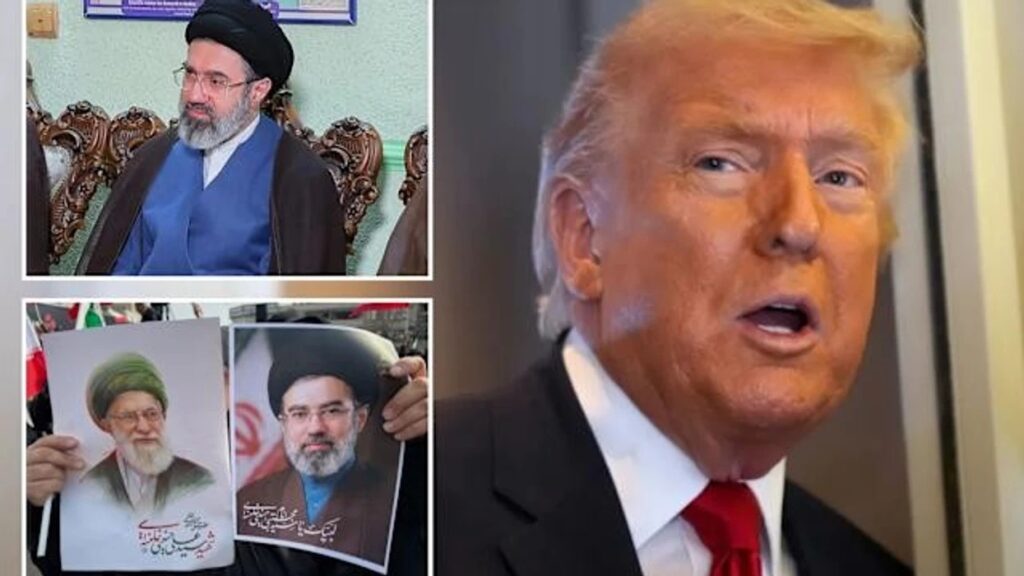
The strongest part is the tone of escalation. The article creates the sense that the region may be crossing a threshold—from years of indirect “shadow conflict” into something more open and dangerous. That’s a real strategic concern analysts often discuss regarding Iran, Israel, and the United States. For years, tensions largely operated through proxies, cyberattacks, covert operations, and limited strikes. The article suggests the fear now is that these boundaries are weakening.
At the same time, the writing is clearly designed for engagement, not just neutral reporting. Phrases like “the ladder of escalation becomes shorter,” “the world is watching,” and “families living under the threat of sirens” are emotionally cinematic. They create tension and urgency almost like a political thriller. That style keeps readers emotionally invested, but it also means the article sometimes feels more certain than the underlying information actually is.
A major clue is how often the wording relies on phrases such as “according to reports,” “reportedly,” “security sources,” and “images circulating online.” Those phrases matter. They signal that much of the information is still developing or only partially verified. In fast-moving geopolitical crises, especially involving Iran and Israel, governments, media outlets, and online networks often push competing narratives before the full picture is known.
The section about Iran’s possible retaliation is probably the most realistic strategically. The article points toward asymmetric responses—cyberattacks, proxy escalation, shipping disruption, and regional pressure rather than immediate all-out conventional war. Historically, that aligns more closely with how Iran tends to operate under pressure. Direct large-scale war with the U.S. or Israel carries enormous risk, so indirect retaliation often becomes the preferred method.
The economic angle is also important and believable. Even the possibility of escalation in the Gulf region can move oil markets because so much global energy transit depends on stability there. Investors react not only to actual damage, but to uncertainty itself. That’s why geopolitical language alone can affect fuel prices, shipping insurance, and inflation concerns within hours.
What the article ultimately does well is connect geopolitics to psychology. It reminds readers that even when bombs fall far away, millions of civilians live under constant uncertainty—checking updates, worrying about escalation, and wondering whether the next strike triggers something larger. That human layer gives the piece emotional weight beyond military analysis.
Its main weakness is that the dramatic tone can blur the line between confirmed developments and speculative momentum. The article creates a feeling that the region is standing at the edge of a major transformation, even though many situations like this remain fluid, controlled, and strategically managed behind the scenes far longer than headlines initially suggest.