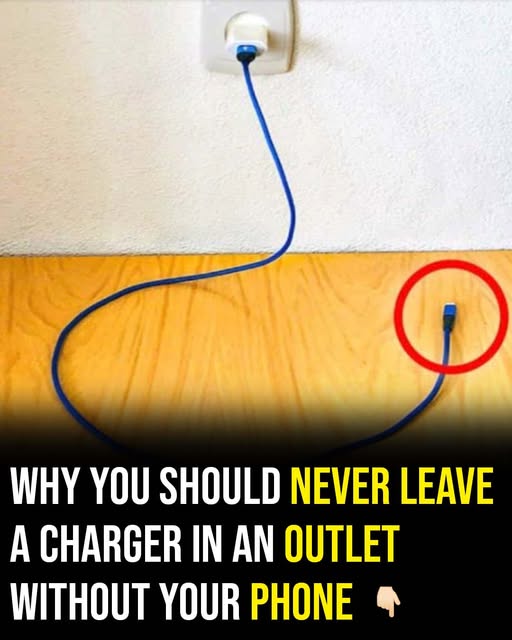
Most of the time, nothing dramatic happens.
And that is precisely why the habit persists.
Still, there are a few practical reasons electricians and safety experts often recommend unplugging chargers when they are not actively being used. The goal is not fear or paranoia, but simple attentiveness to small risks and unnecessary waste that are easy to reduce.
One reason involves standby energy use.
Even without a phone attached, many chargers continue drawing a small amount of electricity from the outlet. Individually, the cost is tiny. A single charger left plugged in will not suddenly create a massive electric bill. But modern homes often contain many small devices quietly consuming power at all hours — chargers, smart speakers, televisions, consoles, kitchen appliances, and adapters.
Over time, those small background drains accumulate into avoidable energy use.
There is also the issue of wear.
Chargers contain internal electrical components that remain under low-level stress whenever connected to power. Quality chargers are designed to tolerate this reasonably well, but constant exposure to electrical current and occasional voltage fluctuations can still contribute gradually to degradation over the years.
In simple terms: electronics generally last longer when they spend less time unnecessarily energized.
More importantly, unplugging reduces certain low-probability safety risks.
Modern chargers from reputable manufacturers are usually very safe under normal conditions. That distinction matters because many alarming online claims exaggerate the danger unfairly. Most people who leave chargers plugged in will never experience a serious issue.
But “unlikely” is not the same as “impossible.”
Damaged cables, counterfeit adapters, dust buildup, poor ventilation, overloaded outlets, or power surges can increase the chance of overheating or electrical failure. In rare situations, chargers may become excessively hot, emit burning smells, spark, or fail internally.
The risk remains low — especially with certified equipment in good condition — yet unplugging eliminates the risk entirely when the charger is not needed anyway.
Homes with children or pets introduce another practical concern.
Loose charging cables and exposed adapters can attract curiosity. Pets may chew cables. Small children may tug at cords or begin interacting with outlets themselves. Often the issue is not catastrophic danger, but preventable damage, stress, or unsafe habits developing gradually.
Moisture matters too.
Chargers near sinks, humid rooms, kitchens, or bathrooms face more environmental exposure than people realize. Water and electricity rarely need dramatic accidents to become problematic. Sometimes it is simply condensation, corrosion, or unnoticed deterioration over time.
Importantly, none of this means people should become anxious every time they see a charger in an outlet.
Healthy safety awareness works best without turning ordinary life into constant fear. A reputable charger plugged safely into a clean outlet is generally not a major hazard. Modern electrical standards exist precisely because everyday electronics are designed for routine use.
The more balanced question is simply this:
if unplugging takes two seconds and modestly reduces energy waste, equipment wear, and avoidable risk, why not make it a better habit where practical?
Sometimes wisdom in daily life comes less from dramatic precautions and more from small patterns of care repeated consistently.
Not because disaster is always waiting —
but because attentiveness itself quietly improves the spaces we live in.