
One of the biggest things doctors want patients to remember is simple: don’t panic.
Many women worry about how they look during the exam, but gynecologists are not focused on perfectly shaved legs, painted toenails, or whether someone looks “put together.” Their priority is health, not appearance. Doctors perform these examinations every day, and their concern is identifying symptoms, preventing disease, and making sure their patients are healthy.
Good hygiene before an appointment can also help patients feel more comfortable. While gynecologists generally do not care about body hair, they do appreciate basic cleanliness. Wearing fresh underwear and showering beforehand can make the experience feel less stressful for both the patient and the doctor.
At the same time, experts often warn against douching before an exam. Douching can disrupt the natural balance of vaginal bacteria and alter acidity levels, which may affect test results or irritate sensitive tissue. Most doctors recommend simply washing the area gently with warm water. Vaginal creams, foams, or treatments are also usually best avoided for about 48 hours before an appointment unless specifically prescribed.
Another mistake many women make is hiding symptoms because they feel embarrassed.
Whether it is itching, unusual discharge, pain, odor, or irritation, doctors can only help when they know the full picture. Staying silent out of embarrassment may delay treatment or make it harder to identify the cause of a problem. Gynecologists are trained professionals, and they hear these concerns every day without judgment.
Some specialists also suggest avoiding sex for roughly 24 hours before an appointment. Intercourse can sometimes irritate the skin or temporarily alter vaginal pH levels, which may interfere with certain screenings or examinations. Lubricants and spermicides may also affect results during cervical testing.
Many women also arrive armed with hours of internet research and a long list of possible self-diagnoses. While it is natural to search online for information, doctors often encourage patients not to rely too heavily on internet results. Online searches can create unnecessary fear and confusion, especially when symptoms overlap across many conditions.

Instead of trying to diagnose yourself before the visit, it is usually more helpful to explain symptoms clearly and allow the doctor to guide the conversation.
Another common issue is leaving important questions unasked.
Many patients feel too shy to discuss birth control, pregnancy concerns, sexual health, irregular periods, or changes in their bodies. But gynecologists are exactly the people trained to answer those questions. Medical confidentiality also protects patient privacy, meaning concerns discussed during appointments stay private.
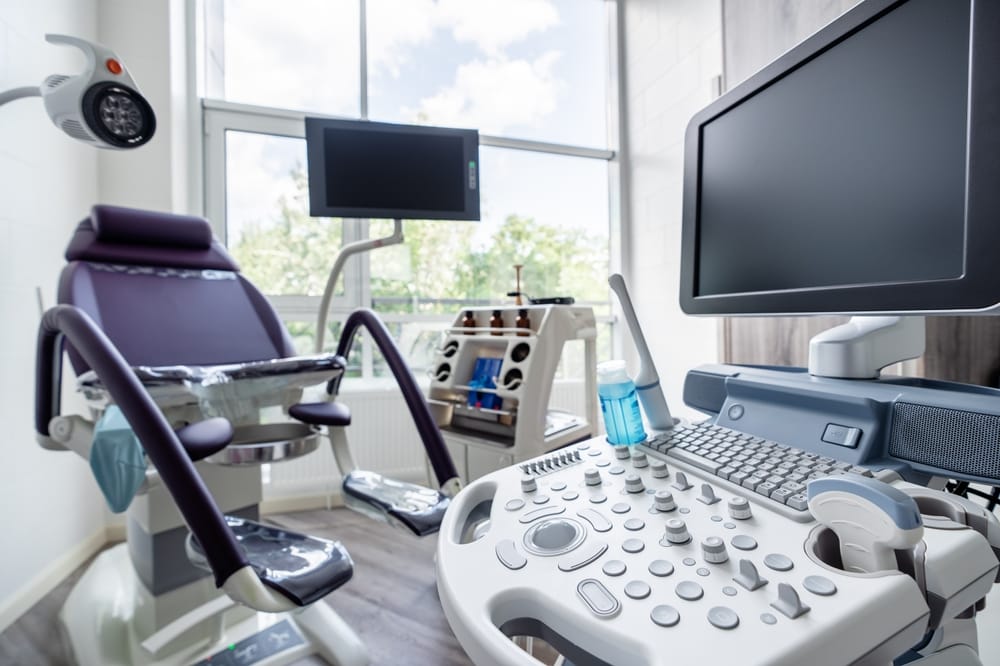
Even the examination chair itself can feel intimidating, especially during a first appointment. The position may feel awkward, but doctors say relaxing the body as much as possible helps make the exam easier and more comfortable. Tensing muscles can make the process feel more uncomfortable than it actually is.
Gynecologists often remind patients to slide farther forward in the chair to allow for a proper examination. It may seem like a small detail, but proper positioning can make the appointment smoother and quicker.
For young women attending their very first gynecologist appointment, it is important to know that the first visit does not always involve a full pelvic exam. Sometimes the appointment is simply a consultation where patients can ask questions and discuss concerns. Bringing a trusted friend, partner, or family member for support can also help reduce anxiety during a first visit.
Doctors also frequently recommend writing questions down ahead of time. Stress and nervousness can make it easy to forget important concerns once the appointment begins.
And finally, one surprisingly common issue doctors mention is forgotten tampons.
Gynecologists occasionally see cases where a tampon has accidentally been left in place for days, causing a strong odor or bacterial growth. While embarrassing for patients, doctors stress that it is more common than people think and usually easy to resolve once discovered.
At the end of the day, most gynecologists agree on one important message: regular checkups matter, even when they feel uncomfortable.
Fear, embarrassment, or anxiety may make appointments stressful, but taking care of your health is always worth it.