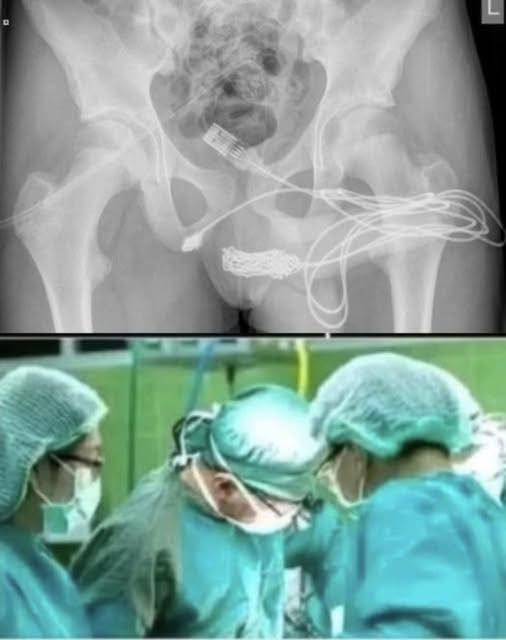
re for urgent medical intervention. The girl was rushed to the hospital, where doctors immediately recognized the severity of the internal trauma. What had been intended as a simple experiment had resulted in a dangerous injury, leaving the medical team to stabilize her while preparing for an urgent surgical procedure to remove the object and prevent the onset of a life-threatening infection.
For the surgical team, this was a case they see far too often. While the physical damage was significant, the emotional toll on the young patient was equally profound. Surgeons emphasize that while curiosity about one’s own body is a perfectly normal part of human development, the lack of proper guidance can lead to catastrophic errors. Using improvised, non-medical items for personal exploration is a gamble that frequently ends in the emergency room, often with consequences that require long-term recovery.
The medical professionals involved in her care offered a sobering perspective on why these incidents continue to happen. They pointed to the heavy burden of shame and fear that often keeps young people from seeking help the moment something goes wrong. In many cases, the hesitation to speak up—driven by embarrassment—is what turns a manageable situation into a critical emergency. By waiting, the risk of infection and complications climbs rapidly, making the eventual medical intervention much more invasive and difficult.
This incident serves as a stark reminder of the vital importance of open, honest, and age-appropriate health education. When young people are left to navigate their physical development in the shadows, they are far more likely to turn to unreliable sources or make dangerous, impulsive choices. Creating an environment where children and teenagers feel safe asking questions—without judgment or fear—is the most effective way to prevent these avoidable tragedies.
Ultimately, the girl is on the road to recovery, but the experience has left a lasting impact on her and her family. It is a call to action for parents, educators, and mentors to break the cycle of silence. By fostering communication, we can ensure that curiosity is met with accurate information rather than a trip to the operating room. Dignity and health are preserved not through secrecy, but through the courage to have the difficult conversations that keep our children safe.