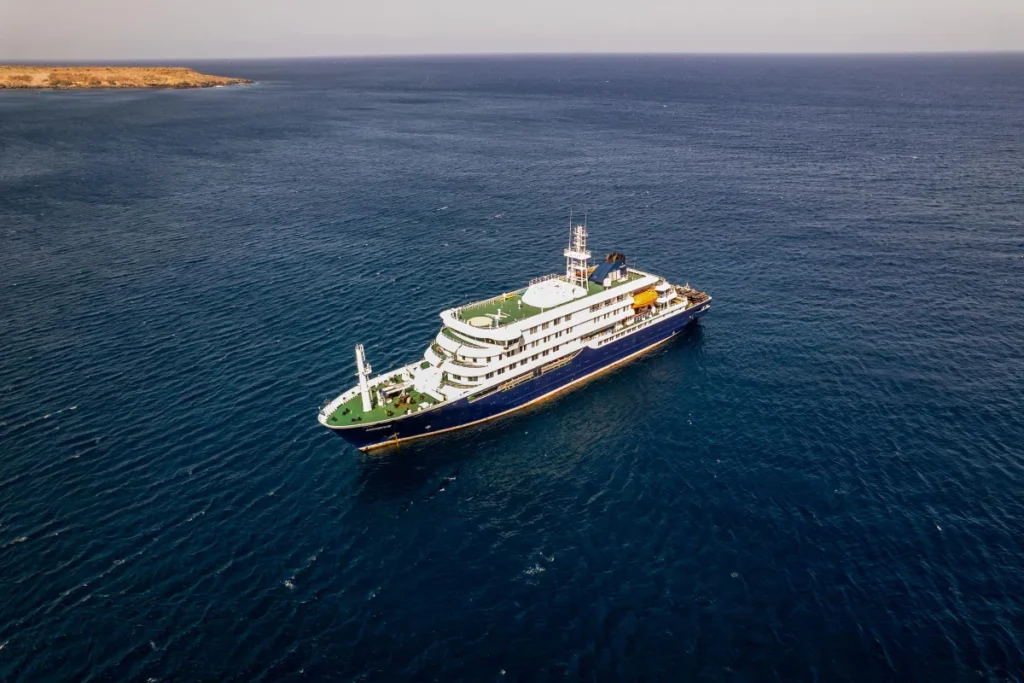
What began as a once-in-a-lifetime voyage has slowly turned into something far more unsettling—an unfolding crisis at sea where uncertainty now defines each passing day.
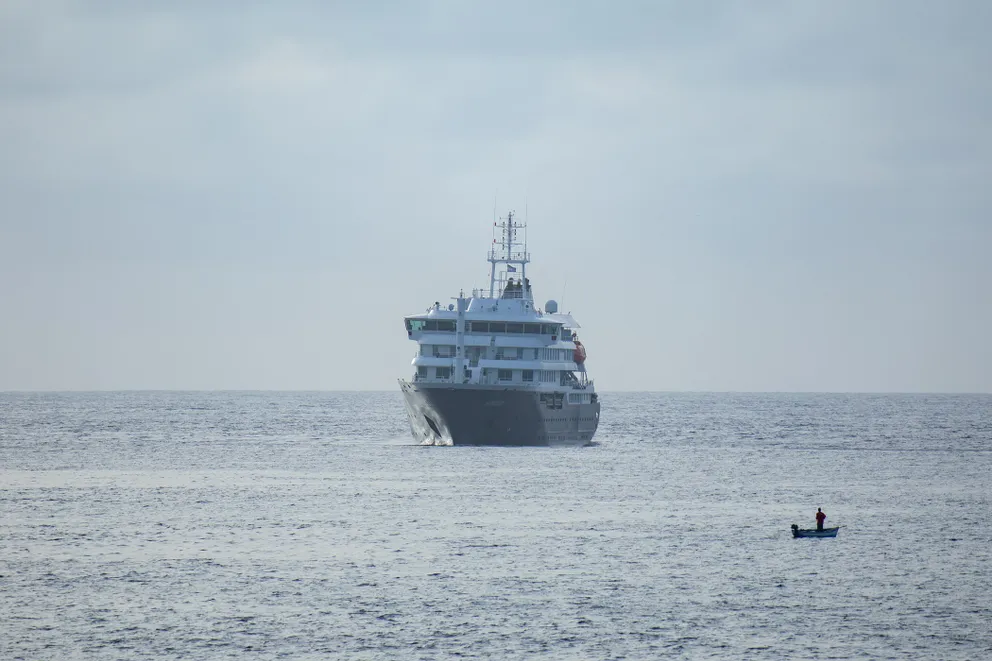
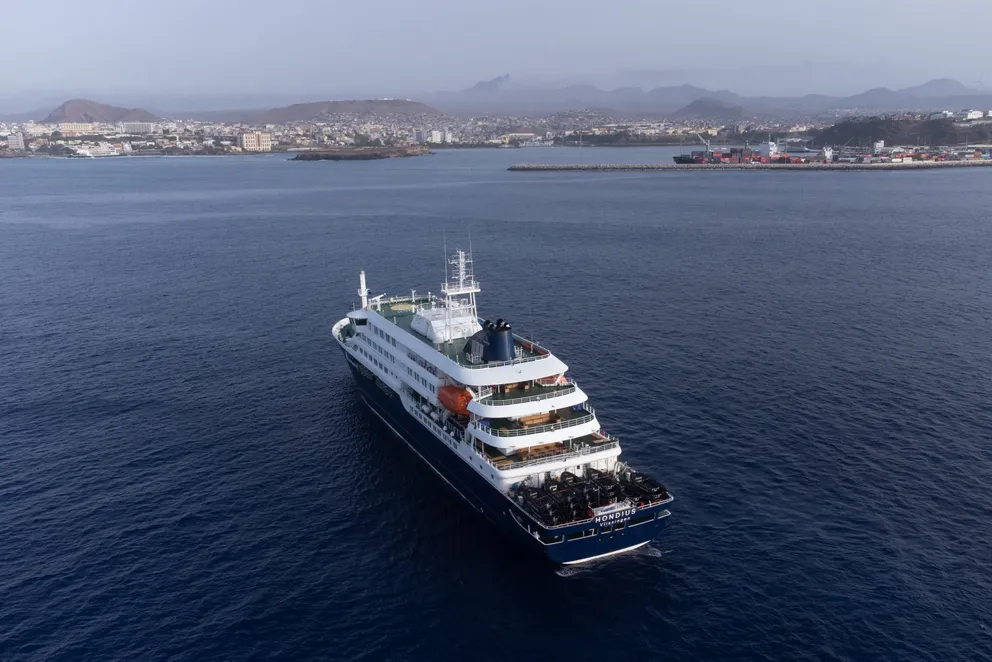
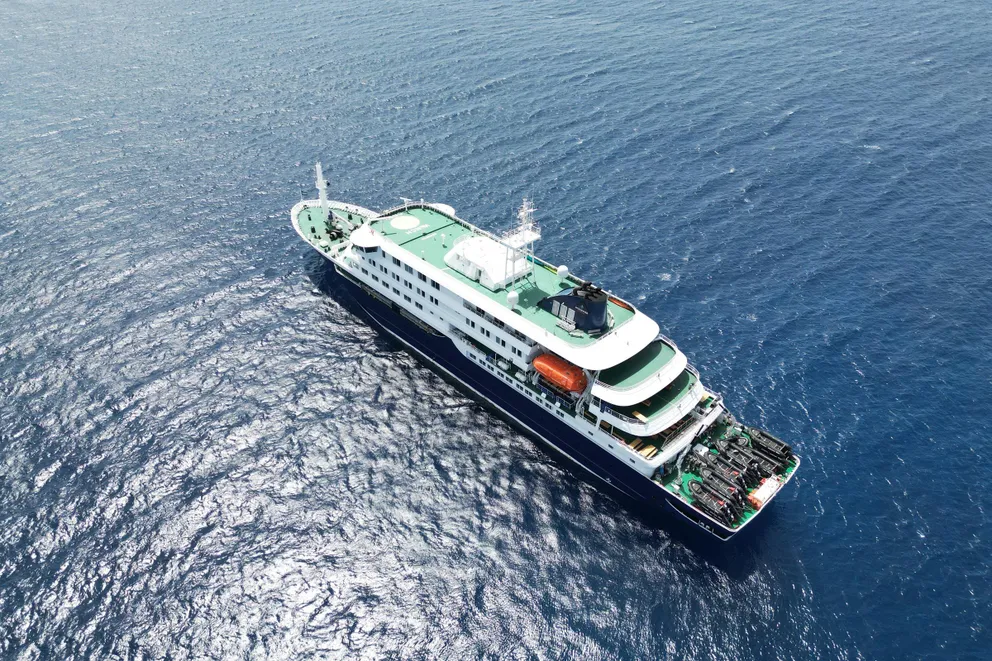
The Dutch expedition vessel MV Hondius, operated by Oceanwide Expeditions, now sits anchored off the coast of Praia, unable to dock. Onboard, nearly 150 passengers from more than 20 countries remain confined as health authorities continue to assess a suspected outbreak of a rare and serious illness: Hantavirus.
The situation escalated after multiple passengers fell ill during the transatlantic journey. Three deaths have been reported so far, with at least two confirmed cases linked to hantavirus. Among those affected were a Dutch couple and a German passenger, while a British traveler was evacuated to South Africa and remains in critical condition.
What makes the situation particularly complex is the nature of the virus itself. Hantavirus is typically transmitted through exposure to infected rodents—most often via their urine, droppings, or saliva. Human-to-human transmission is considered rare, but not impossible in certain strains, which is why global health officials are approaching the situation with caution.
The World Health Organization has stepped in, working alongside national authorities to monitor developments. According to updates, several additional suspected cases have been identified among passengers and crew, bringing the total number of illnesses to a small but concerning cluster. While the broader public risk remains low, the confined environment of a ship has raised concerns about close-contact exposure.
Passengers remain on board under strict quarantine protocols. No one has been allowed to disembark since the vessel arrived near Cape Verde, and local authorities have so far denied entry to the port. Medical teams have conducted onboard evaluations, isolating those with symptoms while maintaining heightened hygiene and monitoring procedures.
The emotional toll is becoming just as significant as the medical one. In videos shared online, passengers describe a growing sense of unease—not just from the illness itself, but from the lack of clarity about what comes next. Some speak about the weight of waiting, of being physically safe yet unable to return home, suspended between reassurance and fear.
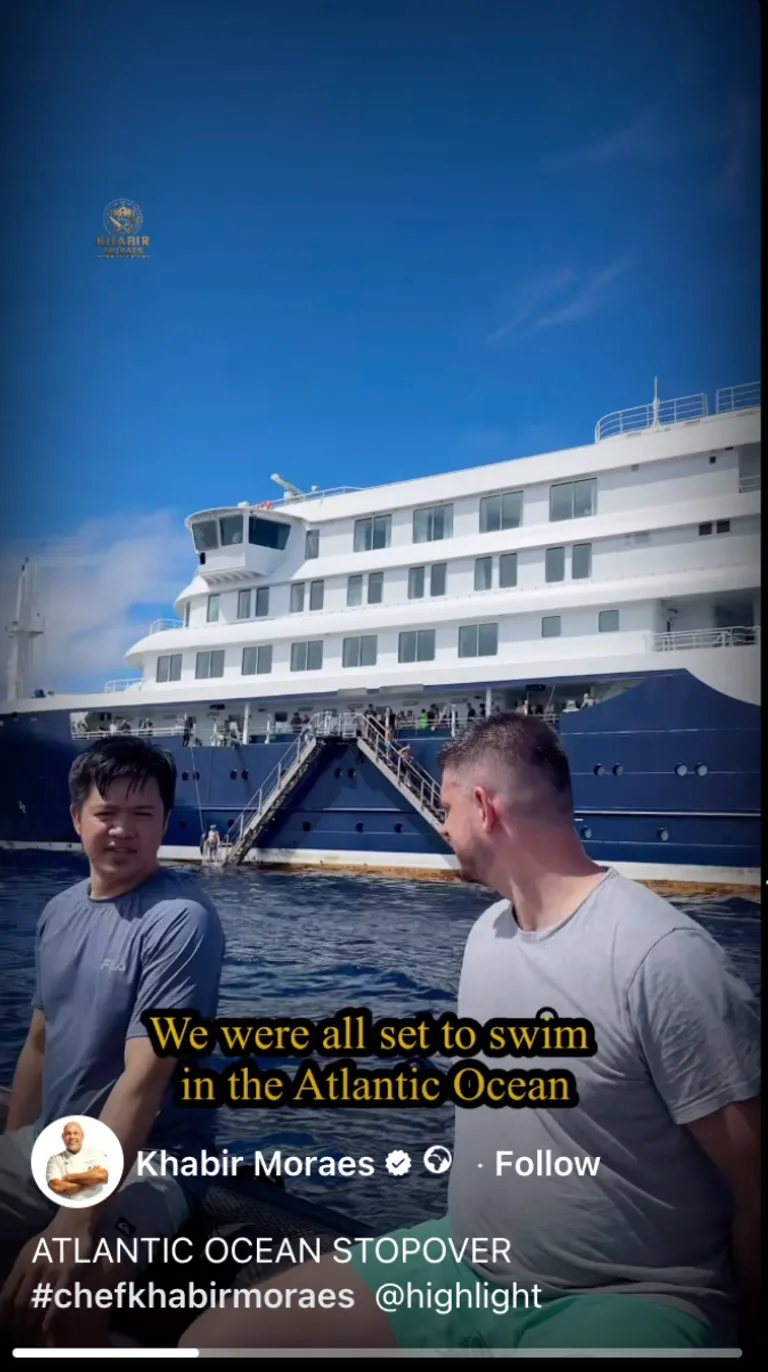
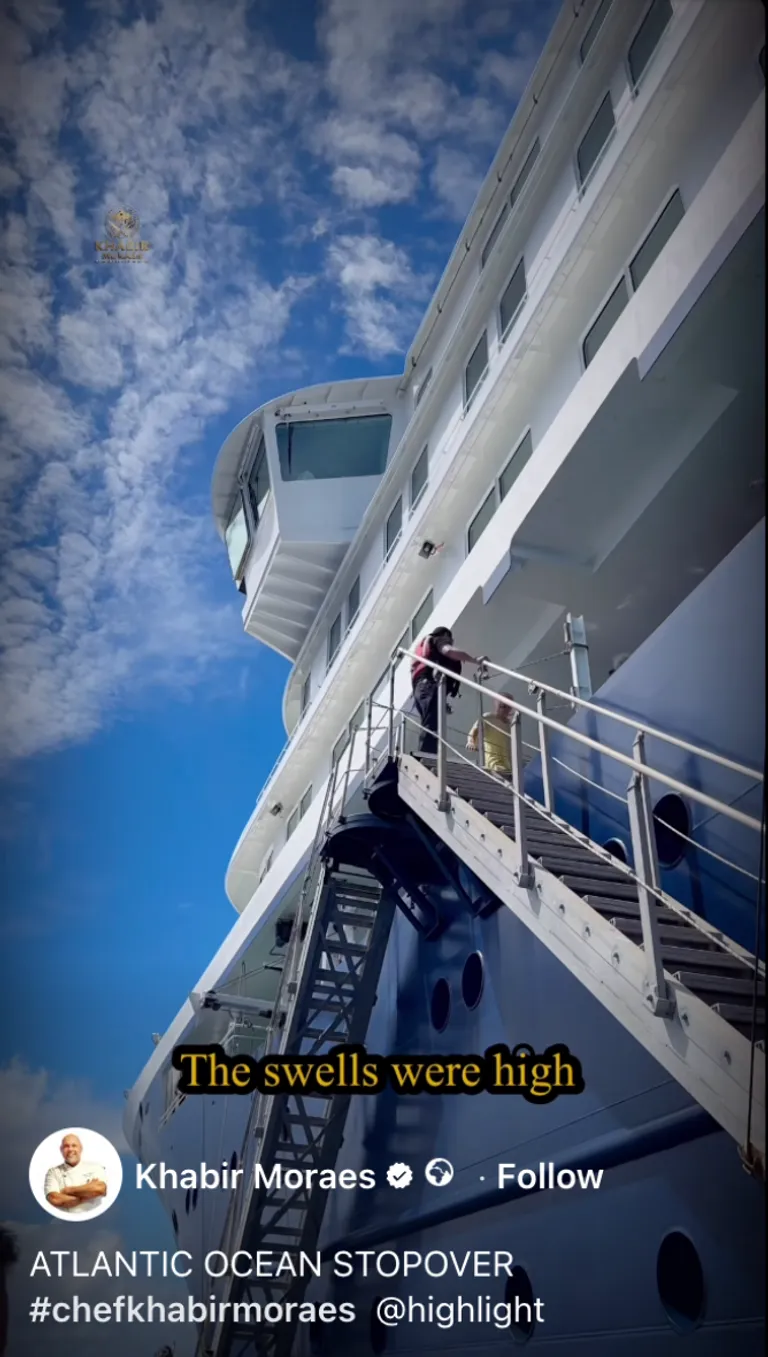
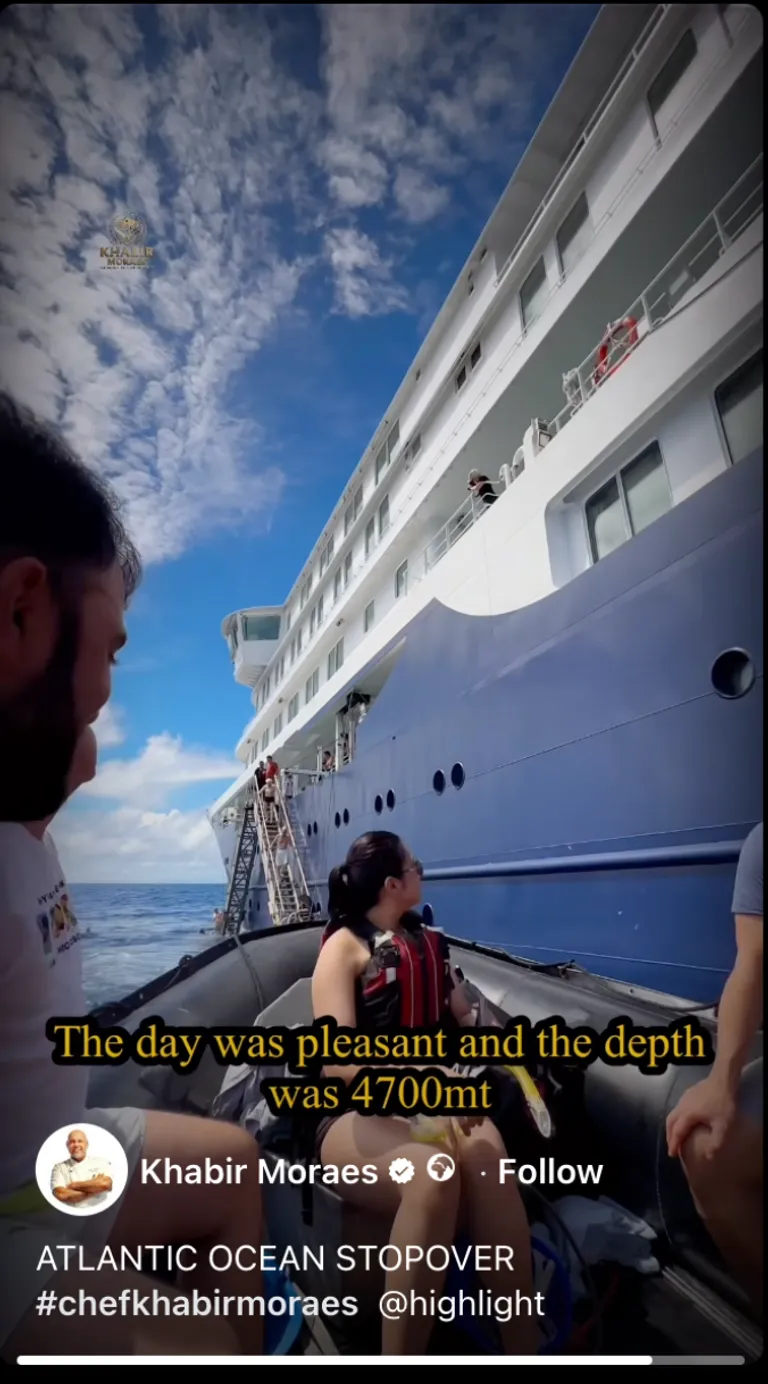
At the same time, there have been attempts to maintain calm. Crew members continue to provide support, and some passengers have shared quieter moments—sunsets over the Atlantic, brief glimpses of normalcy—suggesting that even in uncertainty, people are trying to hold onto routine.
Medical experts emphasize that treatment options for hantavirus remain limited. There is no specific antiviral cure or widely available vaccine. Care focuses on early detection, supportive treatment, and close monitoring—factors that make timing and access to healthcare critical.
There are now discussions about allowing the ship to continue its journey under controlled conditions, possibly toward the Canary Islands, where further evaluation could take place. However, no final decision has been confirmed, leaving passengers in a prolonged state of limbo.
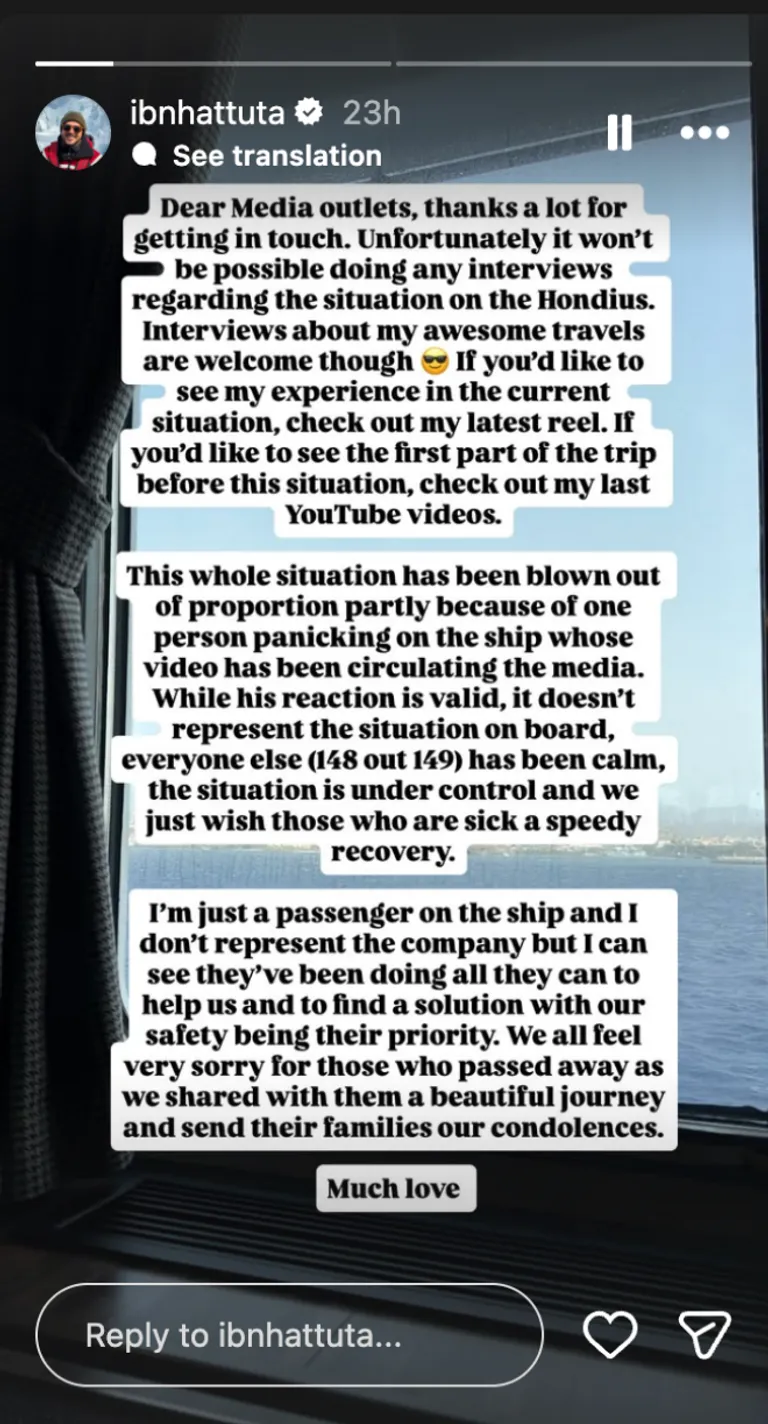
Meanwhile, families of those who lost their lives are beginning to process the unimaginable. In one statement, relatives described the voyage as a beautiful journey that ended far too abruptly—a reflection of how quickly circumstances can change.
For now, the ship remains still, the ocean stretching endlessly around it. Inside, life continues in a quieter, more cautious rhythm—marked by daily health checks, careful distancing, and the shared hope that clarity, and safe passage home, will come soon.