
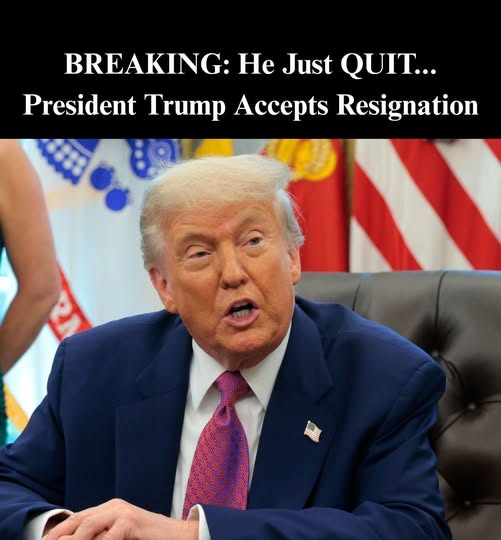
ted that the very foundation of the rule of law was being eroded by the weight of one man’s demands. For decades, Mark Wolf stood as a titan of the judiciary. Appointed by Ronald Reagan, he was the quintessential conservative jurist—steady, insulated, and supposedly immune to the shifting winds of political tempests. If a man of his stature, a guardian of the old guard, felt compelled to walk away and frame his exit as a formal act of protest, it is a chilling declaration that the old assurances of institutional stability have collapsed.
Wolf’s resignation lands not as a retirement notice, but as a verdict on the current state of American democracy. He is describing a new, suffocating culture within the halls of justice where judges are forced to quietly calculate the cost of their own independence. It is a reality where ruling by conscience, rather than by political alignment, invites a torrent of harassment, digital threats, and the looming shadow of retribution. For a judge, life tenure was once the ultimate safeguard—a shield against the whims of the powerful. Today, that shield feels paper-thin when mobs can be summoned with a single social media post and institutions are increasingly prone to flinching.
This is the crisis of our time: the transition of the law from a neutral arbiter to a weaponized instrument of faction. Wolf’s departure is a stark, uncomfortable line in the sand. He is telling us that the judiciary is no longer a sanctuary, but a battlefield. When the people tasked with interpreting the law begin to fear the consequences of their own integrity, the entire structure of our society begins to tilt toward autocracy.
The question Judge Wolf leaves behind is not merely rhetorical, nor is it meant for the legal scholars alone. It is a challenge to every citizen: which version of the future are we willing to tolerate? We are witnessing the slow, steady erosion of the checks and balances that once defined our national character. If the men and women who have dedicated their lives to the bench are now finding it impossible to remain, what does that say about the safety of the average citizen? Wolf’s act of defiance is a call to awareness. He has risked his legacy to show us that the law only stands as long as we are prepared to defend its independence, regardless of the cost. The time for passive observation has passed; we are now at a crossroads where we must decide if we will allow our institutions to be dismantled, or if we are willing to risk the discomfort of resistance to protect the integrity of the truth.