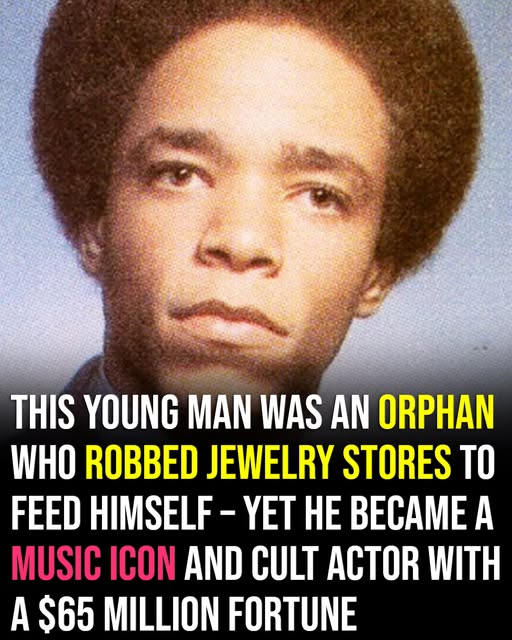
…the darkest corners of Los Angeles, where the collision of race, poverty, and survival turned a stolen bike into a gateway for petty crime. The young man who would become Ice-T was not born into fame; he was forged in the fires of necessity. As he drifted between relatives and coasts, he developed a rigid, almost paradoxical code: while he engaged in the dangerous hustle of the streets, he remained fiercely sober, avoiding the drugs and alcohol that claimed so many of his peers. It was a survival strategy born of pure, unadulterated fear.
Even a stint in the U.S. Army, which provided a brief infusion of discipline, could not fully pull him from the gravitational pull of the streets. He returned to a life of high-stakes risk, participating in bank robberies that carried the constant threat of a life sentence or an early grave. He was living on borrowed time, a man walking a razor’s edge between the prison cell and the morgue, waiting for the inevitable crash.
Then, the rhythm changed. Music became the vessel for his transformation. He took the raw, unfiltered reality of his life—the violence, the desperation, and the cold, hard truths of the streets—and channeled them into a new genre of rap. He didn’t just perform; he narrated the survival guide of the forgotten. This authenticity caught the attention of Hollywood, eventually landing him the iconic role of Detective Odafin Tutuola on Law & Order: SVU. It was a poetic irony: a man who had once been hunted by the system was now its most recognizable face on screen.
Today, Ice-T stands as a testament to the power of the human will. He is a devoted husband and a father who has successfully broken the cycle of trauma that defined his early years. His life serves as a stark reminder that our origins do not have to dictate our destination. For those who feel trapped by their circumstances, his journey remains a powerful beacon: even the most dangerous, tragic script can be rewritten by the person holding the pen.