When Help Was Refused—and One Person Stepped Forward
I was two hours from home when the injury happened.
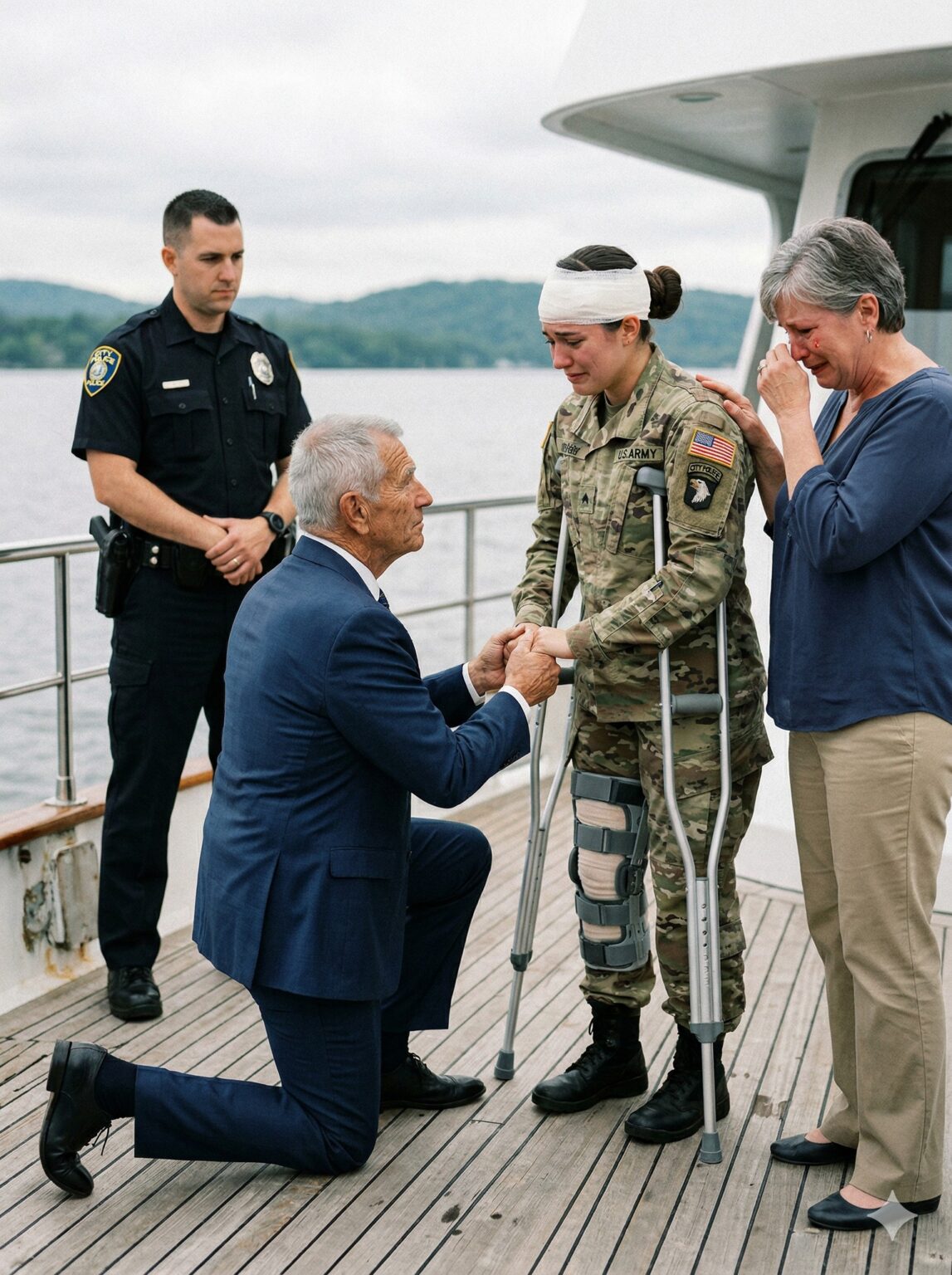
A torn knee. Urgent surgery. Five thousand dollars I didn’t have, and a timeline that didn’t leave room for delays. I called my parents from the barracks, expecting at least a conversation.
It didn’t turn into one.
My father said they had just bought a boat. My mother said a limp might “teach responsibility.” My sister laughed, the way she often did when I was expected to manage things on my own.
That was the answer.
Not loud, not dramatic—just clear.
The Cost of Moving Forward Alone
With no other option, I signed a loan I knew wasn’t in my favor. It secured the surgery, but it came with consequences I would have to carry afterward.
Two days before the procedure, my brother showed up.
He handed me what he could—money he had raised by selling his own tools. Not enough to solve everything, but enough to say: you’re not alone in this.
That mattered more than the amount.
The surgery went through. Recovery began. The debt remained.
What Became Clear Over Time
As things settled, I looked more closely at the situation I had stepped out of.
My parents weren’t as stable as they appeared. There were patterns—spending, borrowing, covering one gap with another. My sister’s needs were met repeatedly, even when the results didn’t hold.
It wasn’t just about that moment on the phone. It was a way of operating.
Seeing it clearly didn’t create anger so much as distance. The kind that forms when you understand you won’t be met where you once expected to be.
Choosing Where to Place Your Effort
I didn’t try to fix what they were doing.
I focused on what I could stand behind.
My brother had stepped forward when it cost him something. That stayed with me. When I had the ability to help, I chose to direct it toward him—toward something he could build and keep.
Not as repayment. Just as alignment.
What Remains
My knee healed. The work continued. Life moved forward, differently than before.
Family didn’t disappear. But its meaning adjusted.
Not based on titles or expectations, but on actions—on who shows up when things are uncertain, when support isn’t convenient.
Final Reflection
There are moments that clarify relationships without needing argument.
A request made.
A response given.
A line quietly drawn.
After that, the question isn’t who should have been there.
It’s who actually was.
And that’s where decisions begin.