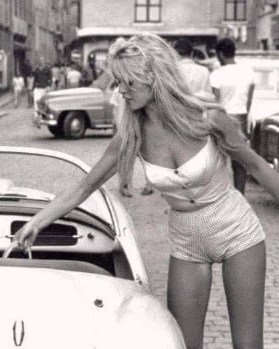
There are moments when it feels right to slow down and look back—back to a time when laughter carried further, when small moments seemed enough, and when the world, at least in memory, moved a little more gently.
Old photographs have a way of doing that. They don’t just show faces; they capture moods, attitudes, and entire eras in a single frame. From the polished elegance of classic movie stars to the carefree confidence of cultural icons, each image feels like a quiet window into a different rhythm of life.
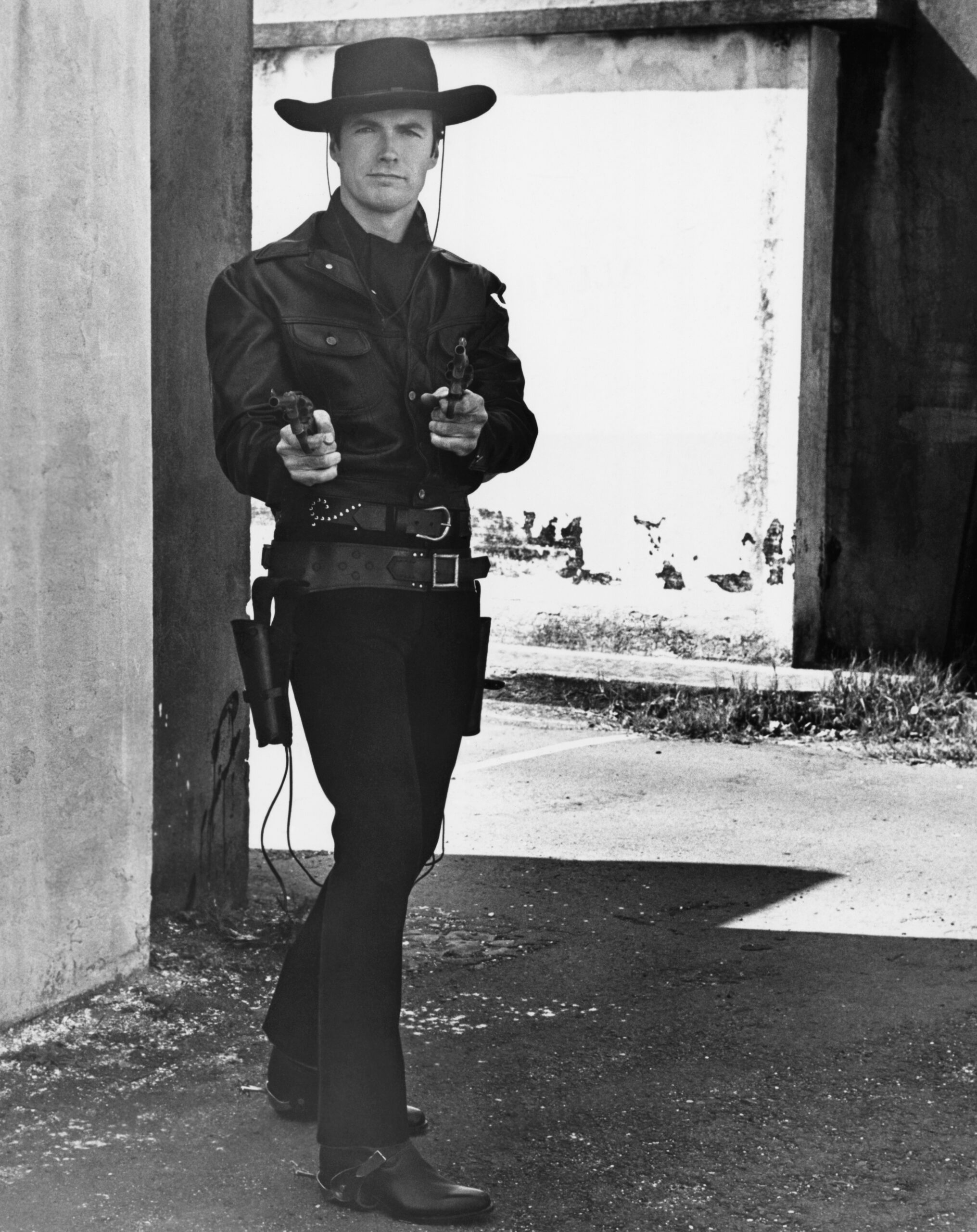
Take Clint Eastwood in his early years, posing as a gunslinging cowboy, staring straight into the camera with that unmistakable intensity. There’s something raw and uncomplicated about it—no filters, no excess, just presence.
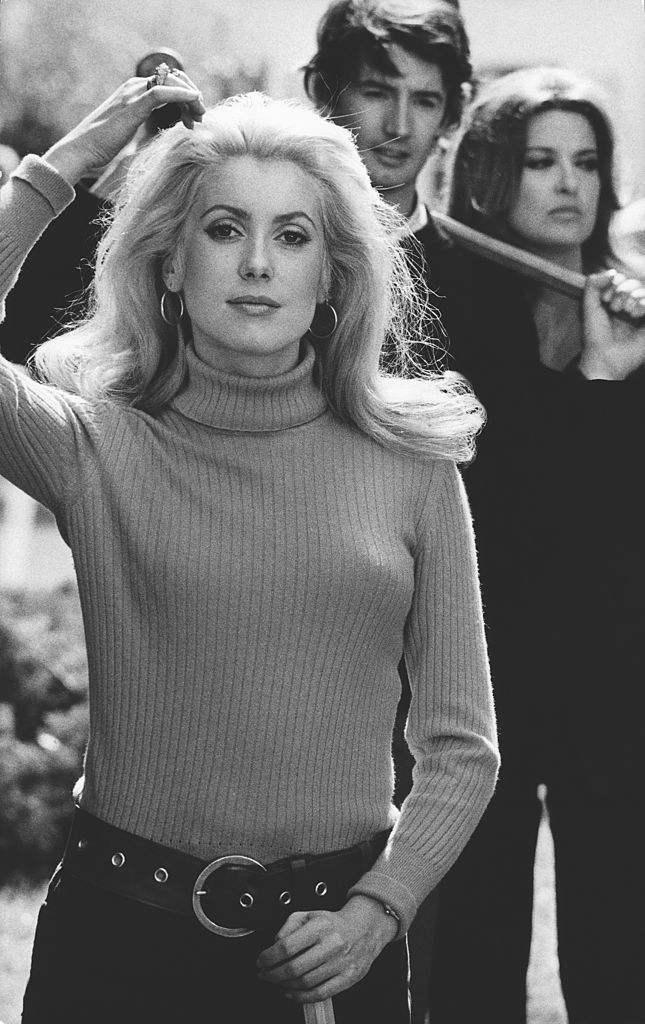
Of course, comparing generations is never entirely fair. Every era carries its own beauty and its own struggles. Still, there’s a certain natural ease in many vintage photos that feels harder to find today. Expressions seem softer, less guarded. People appear more present in the moment, rather than performing for it.
Looking through images of stars from decades past, it’s hard not to notice how effortless their presence felt. Beauty wasn’t engineered or overly refined—it simply existed alongside personality and confidence.
That charm is especially visible in candid moments, like the playful energy between Burt Reynolds and Farrah Fawcett during the filming of The Cannonball Run. Their chemistry feels spontaneous, almost unscripted, capturing a time when charisma carried a scene as much as dialogue did.
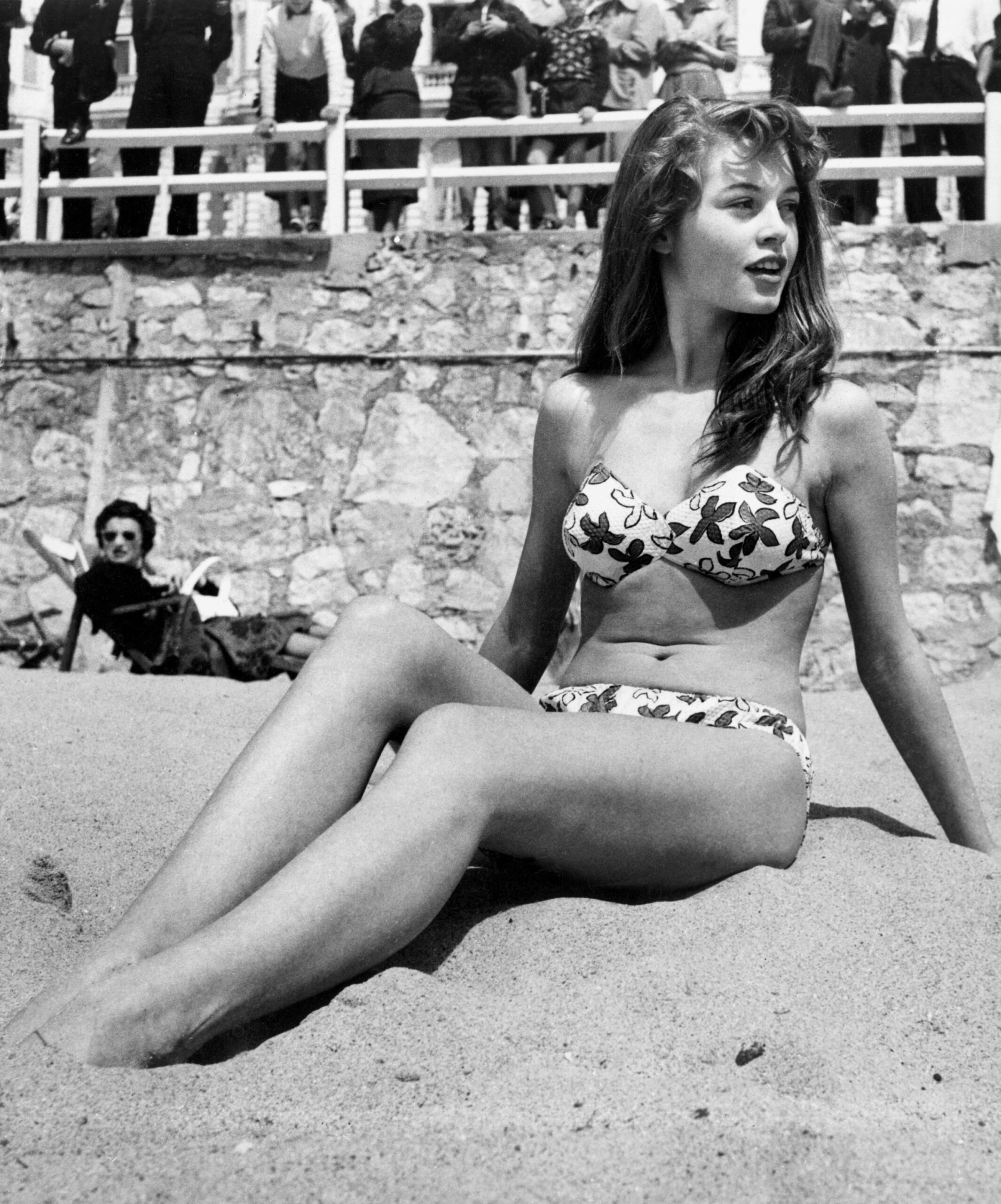
Then there’s Catherine Deneuve, photographed on the set of La Chamade. Her elegance is striking, but it’s not just about appearance—it’s the quiet confidence, the way she seems entirely at ease in her own presence. That image alone reflects the spirit of the late 1960s: bold, expressive, and full of possibility.
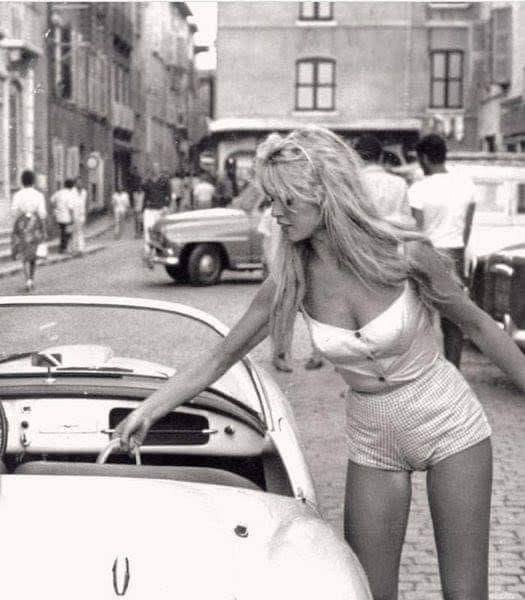
Similarly, Brigitte Bardot became a symbol of effortless allure. Whether captured on a beach or in a candid moment, she represented a kind of beauty that didn’t feel constructed. It simply was.
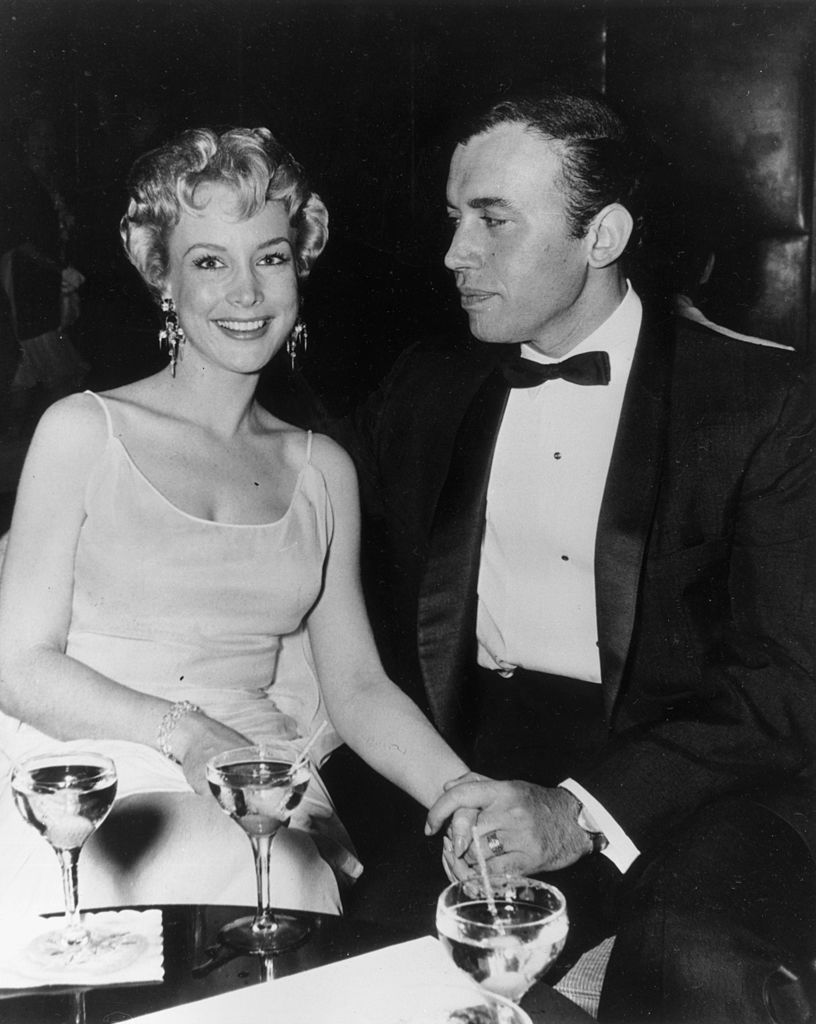
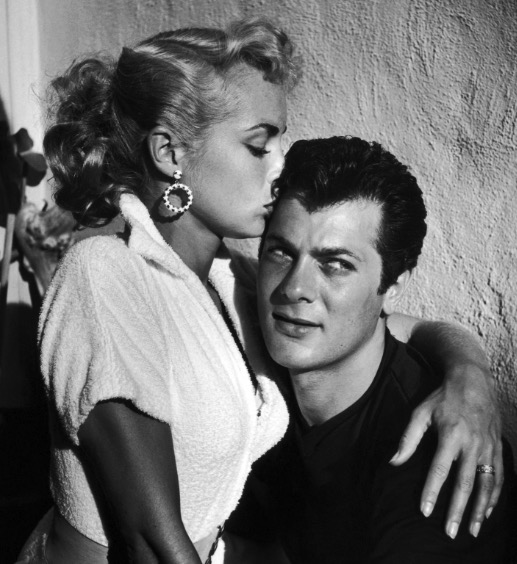
The same sense of authenticity carries through the lives of Tony Curtis and Janet Leigh, one of Hollywood’s most memorable couples. Their photos together don’t just show glamour—they hint at something more human, a warmth that still resonates decades later.
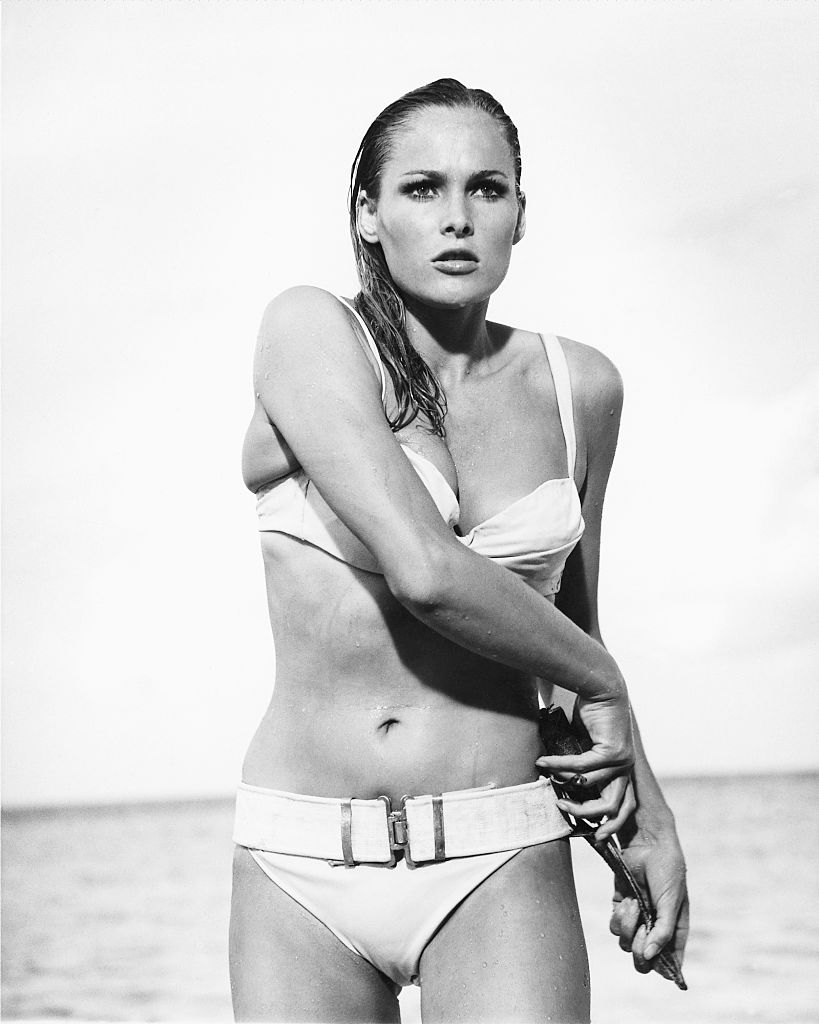
Few cinematic moments are as iconic as Ursula Andress emerging from the sea in Dr. No. That single scene didn’t just define a character—it changed the trajectory of her career and became one of the most recognizable images in film history.
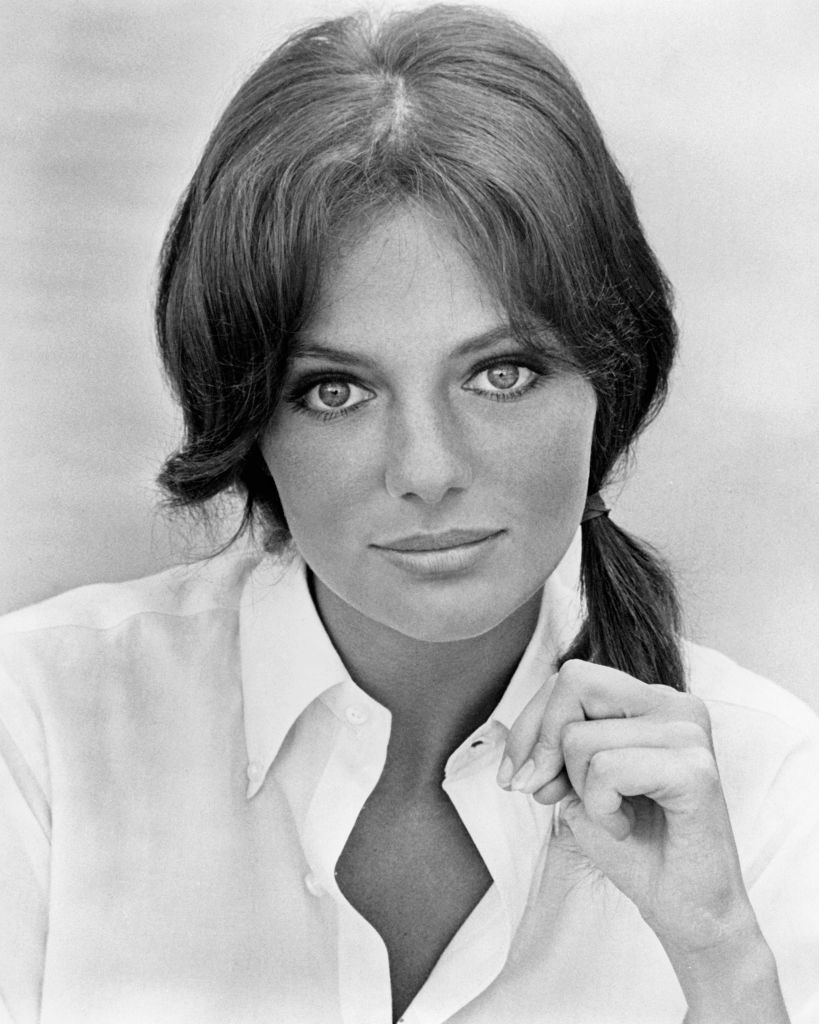
Other stars carried their own quiet magnetism. Jacqueline Bisset, with her understated elegance, reflected a time when simplicity often made the strongest impression. Barbara Bach brought both strength and sophistication to her role in The Spy Who Loved Me, representing a shift toward more complex female characters.
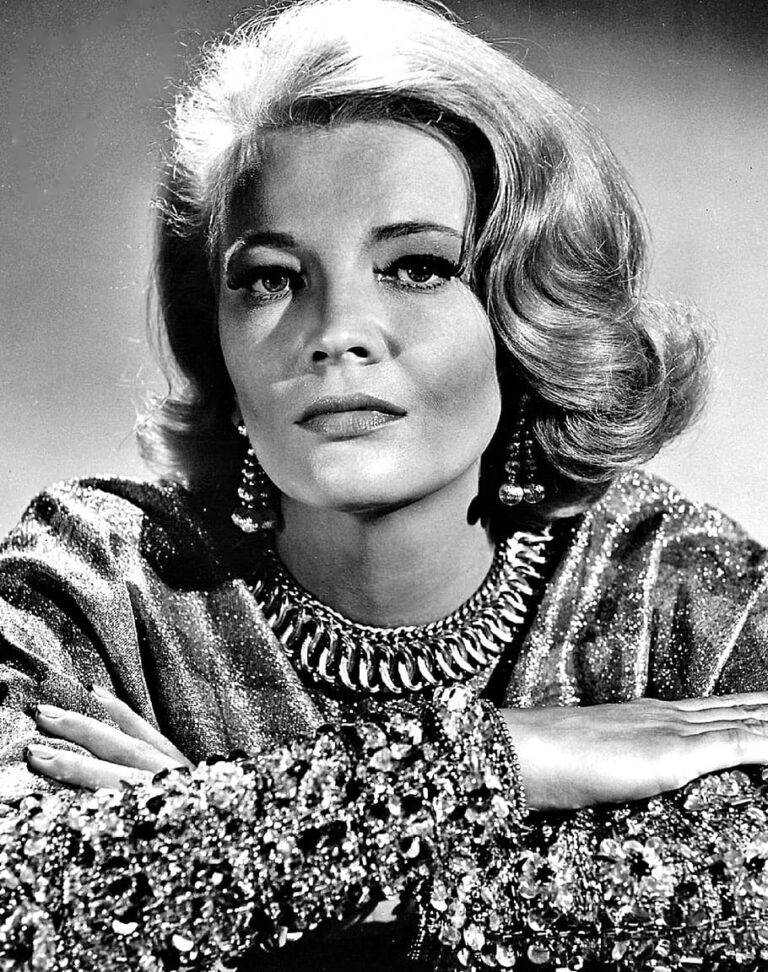
Television audiences found their own icon in Barbara Eden through I Dream of Jeannie, where charm and charisma made her unforgettable. Meanwhile, Faye Dunaway showcased a different kind of intensity—capable of shifting from warmth to steel in an instant, reminding audiences that beauty and depth often coexist.
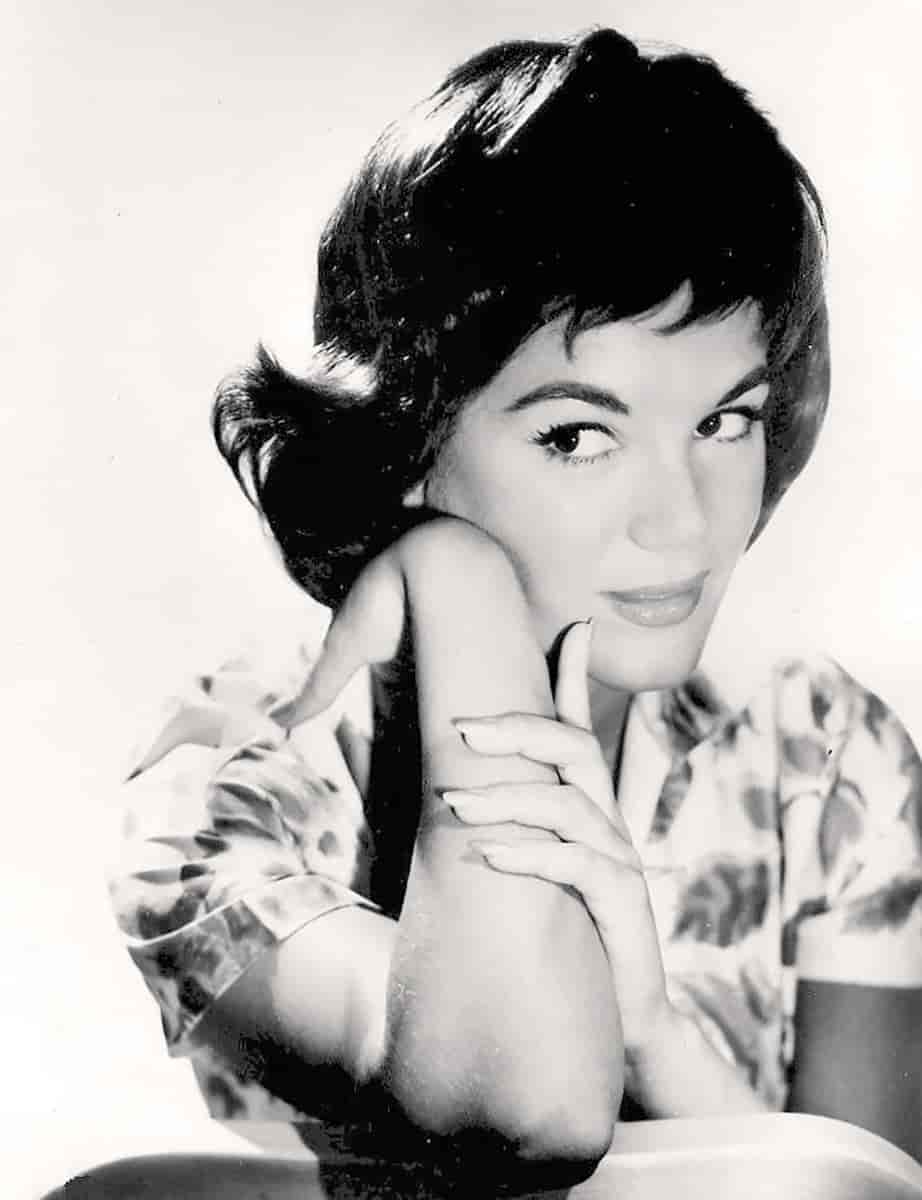
Music, too, played its part in shaping those memories. When Connie Francis released “Everybody’s Somebody’s Fool,” it wasn’t just a hit—it became part of the soundtrack of everyday life. Songs like that filled rooms, brought people together, and created shared moments that lingered long after the music stopped.
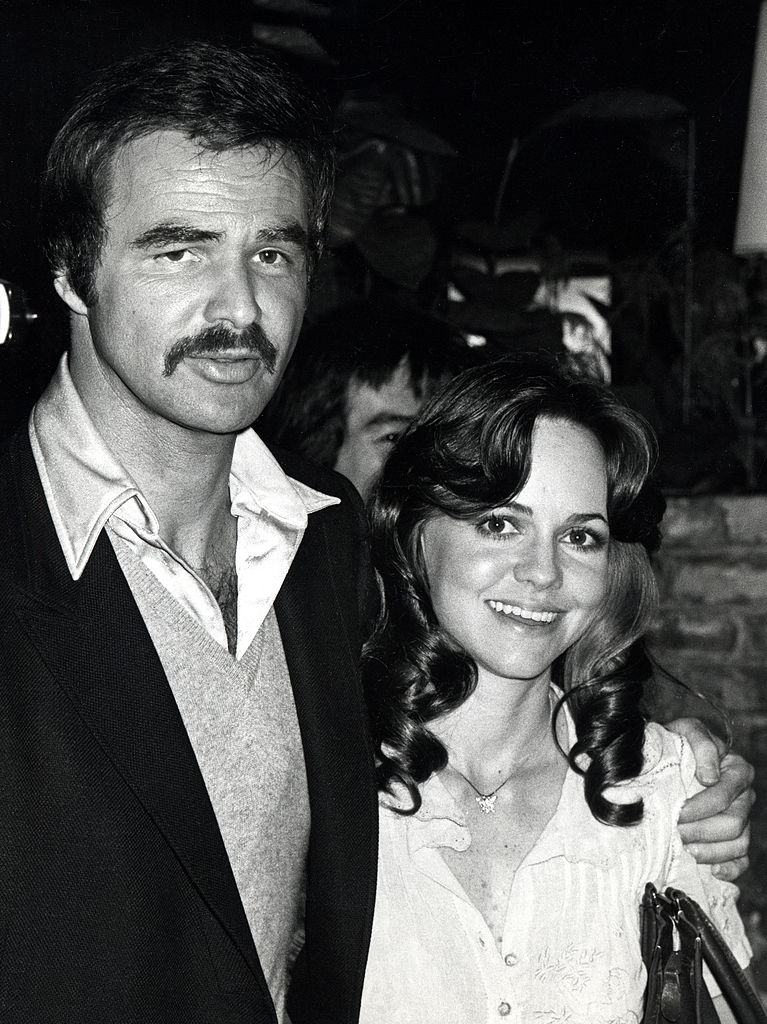
And then there’s Sally Field, whose warmth and authenticity made her stand out in an industry often defined by image. Her connection with Burt Reynolds, both on and off screen, added another layer to an era already rich with unforgettable personalities.
Looking back at these images, it’s not about claiming that the past was better. It’s about recognizing a certain feeling—one of ease, individuality, and presence—that shines through each photograph.
These stars were more than icons. They were reflections of their time, carrying both its beauty and its complexity.
And perhaps that’s why these moments still resonate today. Not because they belong to a perfect past, but because they remind us of something timeless: the power of authenticity, the charm of imperfection, and the quiet magic of simply being present.