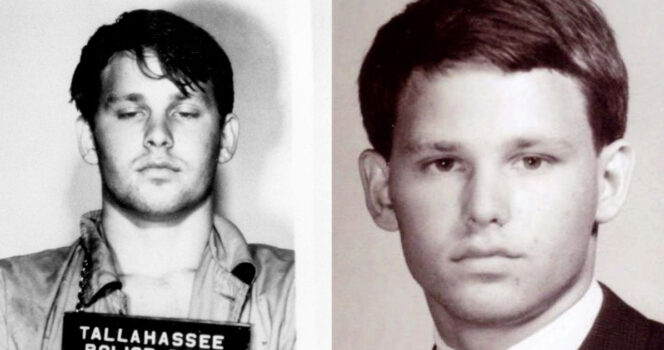
With hypnotic charisma, poetic intensity, and a stage presence that felt almost dangerous, Jim Morrison didn’t just perform—he embodied the spirit of rock ’n’ roll at its most raw and unpredictable. For many, he remains one of the defining figures of the genre, a man whose artistry and self-destruction were deeply intertwined.
A Childhood Marked by Shadows
Born on December 8, 1943, in Melbourne, Morrison came from a structured, military family. His father, a high-ranking naval officer, brought discipline and constant relocation into his early life. That instability—new schools, new faces, no lasting roots—quietly shaped the restlessness that would later define him.
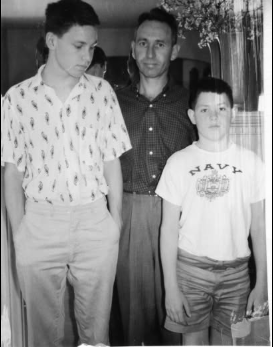
One story Morrison often revisited was a childhood memory from a road trip through New Mexico. He described witnessing a tragic accident involving Native Americans, later claiming the experience felt almost spiritual, as if something had “entered” him. Whether literal or symbolic, the story became a cornerstone of his artistic identity—blurring reality and myth in a way that mirrored his music.
From Film Student to Rock Icon
Morrison studied film at University of California, Los Angeles, where he met Ray Manzarek. That meeting would change music history.
Together with guitarist Robby Krieger and drummer John Densmore, they formed The Doors—a band that fused rock, blues, and poetry into something entirely new.
Morrison’s lyrics weren’t just songs; they were explorations of desire, fear, death, and freedom. Tracks like “Light My Fire” and “Riders on the Storm” carried a hypnotic quality that drew listeners into his inner world.
Fame, Chaos, and the Rock ’n’ Roll Myth
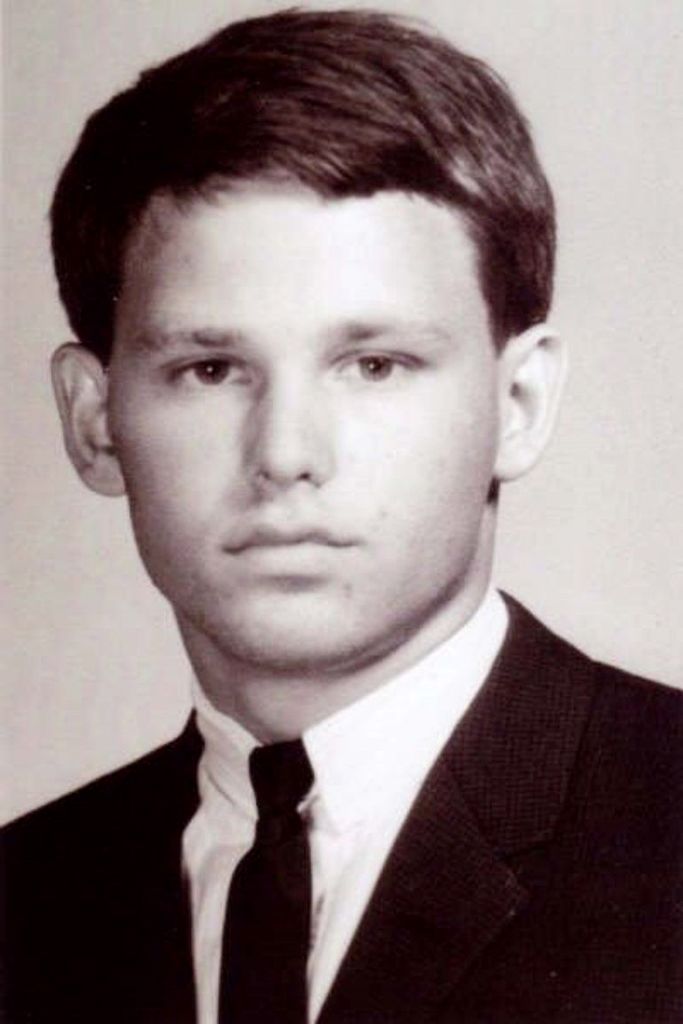
Success came quickly. Between 1967 and 1971, The Doors released multiple groundbreaking albums. But fame didn’t stabilize Morrison—it amplified everything.
He became known as much for his unpredictable behavior as his talent. Alcohol abuse escalated. Performances became erratic. Some nights he was electrifying; others, he barely made it through a set.
One of the most controversial moments came during a concert in Miami, where he faced charges related to alleged indecent behavior. The legal fallout added to his already volatile reputation and marked a turning point in how the public viewed him.
Offstage, his life was equally turbulent. Relationships were intense and often destructive, shaped by the same emotional extremes that fueled his art.
A Life Accelerating Toward Collapse
By the early 1970s, the cracks were impossible to ignore. Recording sessions grew chaotic. His bandmates struggled to work around his unpredictability. Eventually, touring stopped altogether.
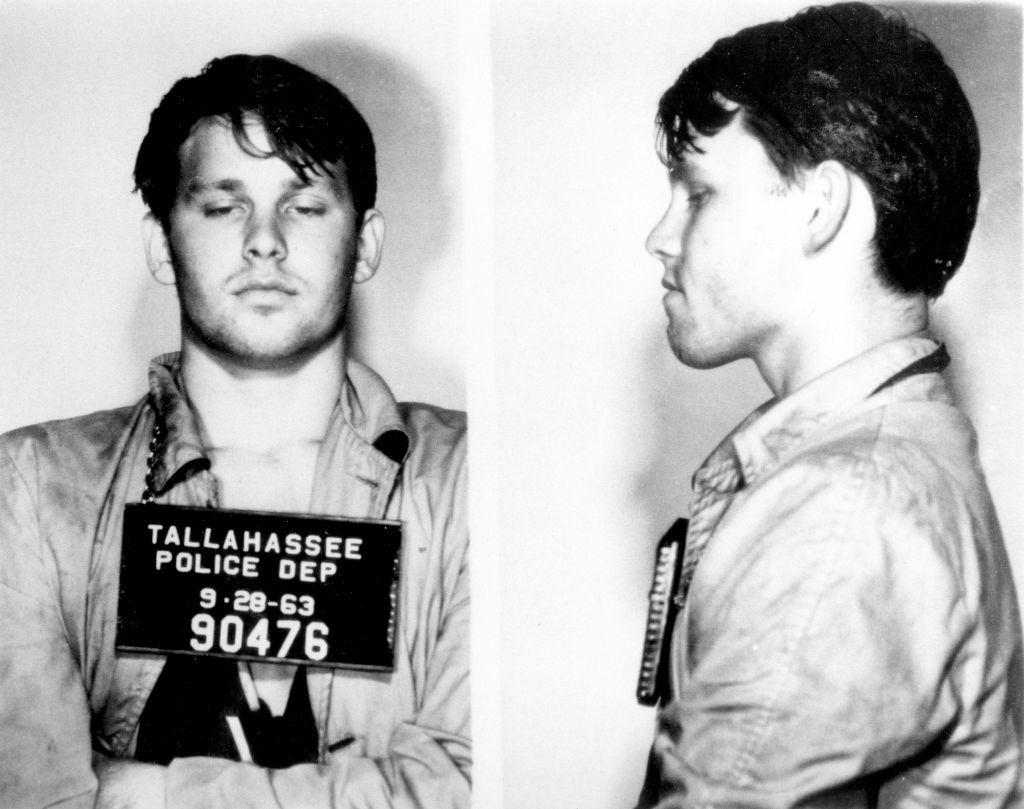
Seeking distance, Morrison moved to Paris in 1971, hoping for a quieter life focused on writing. But the damage—physical and emotional—had already taken hold.
That same year, at just 27 years old, he was found dead in a bathtub. The official cause was heart failure, though speculation has followed ever since. His death placed him among the infamous “27 Club,” a group of artists whose lives ended at the same age.
Legacy Beyond the Chaos
Despite the turmoil, Morrison’s influence remains undeniable. He helped redefine what a frontman could be—not just a singer, but a poet, a provocateur, a symbol of rebellion.
His work with The Doors continues to resonate, inspiring generations of musicians who blur the lines between music, literature, and performance.
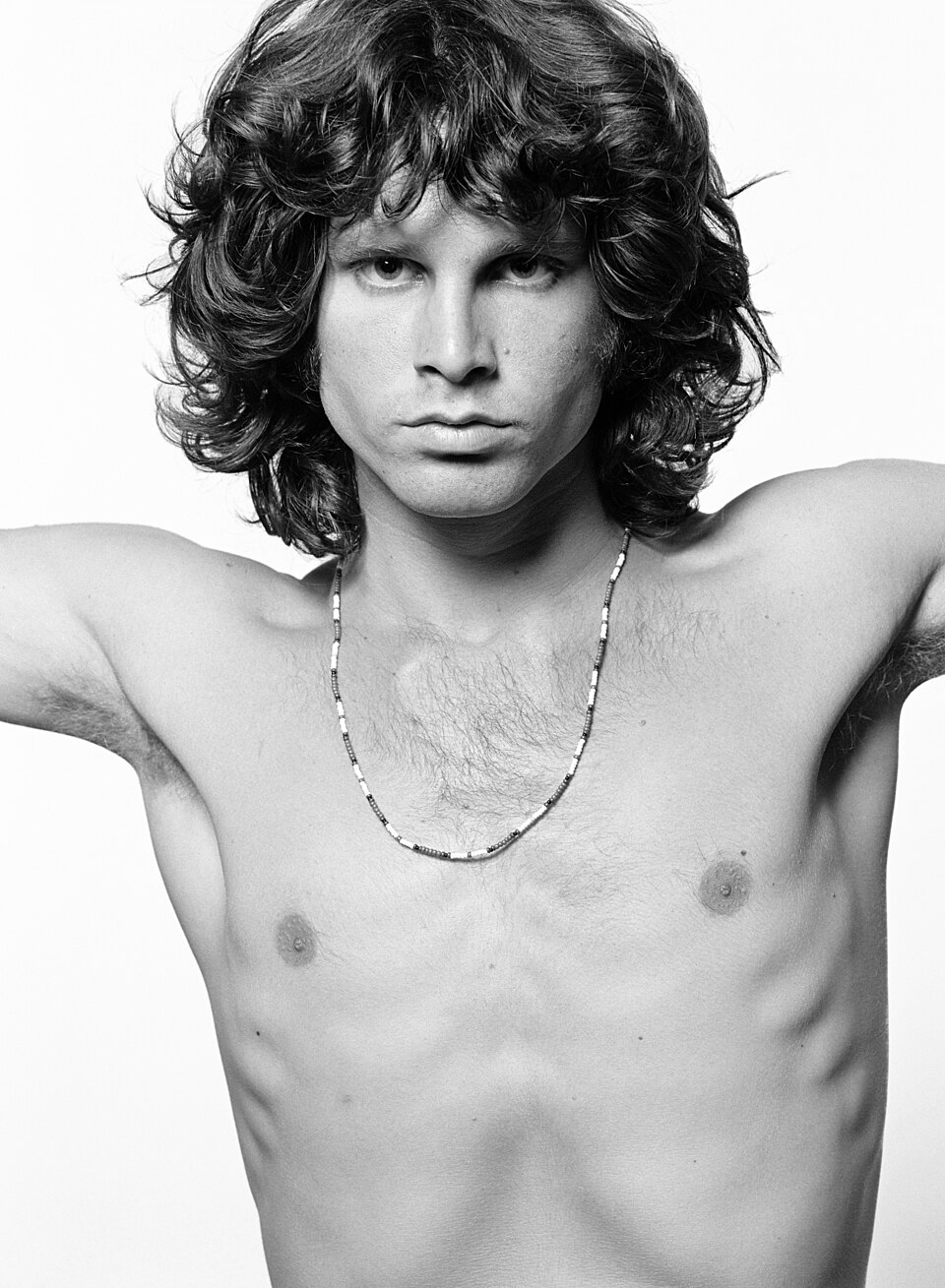
In the end, Morrison’s story is not just about excess or tragedy. It’s about contradiction—a man capable of profound beauty and deep self-destruction, often at the same time.
And perhaps that’s why his legacy endures.
Not because he lived safely.
But because he lived intensely—and left behind art that still feels alive.