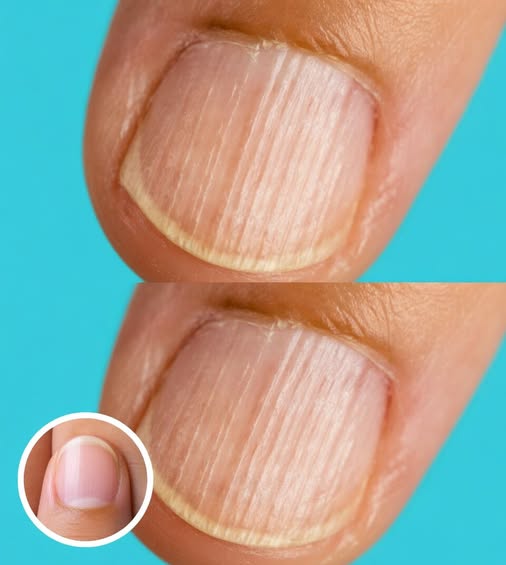
Noticing ridges on your fingernails can feel unexpected, but in most cases, they are a normal part of how nails grow and respond to everyday life. Nails are not static—they reflect changes in hydration, environment, and aging, which means small variations in texture are very common.
The most frequent type is vertical ridges, which run from the cuticle to the tip of the nail. These are often linked to the natural aging process and typically become more visible over time. They can also be influenced by dryness, frequent handwashing, use of sanitizers, or exposure to cleaning products. Minor pressure or small injuries to the nail can make these ridges stand out more, but they are generally harmless.
Horizontal ridges, on the other hand, are less common and may require more attention. Known as Beau’s lines, they can appear after physical stress, illness, or a temporary disruption in nail growth. While they are not always serious, deeper or sudden changes may be worth discussing with a healthcare professional, especially if they appear across multiple nails at once.
In most situations, nail ridges are not painful and do not signal a serious health issue. As nails grow, these ridges often move outward and eventually disappear as part of the normal growth cycle.
Simple care can help improve both nail health and appearance. Keeping nails and cuticles moisturized, staying hydrated, and using nourishing oils can reduce dryness. Protecting hands by wearing gloves during cleaning and avoiding harsh chemicals can also prevent further damage. Gentle filing is recommended over aggressive buffing, which can weaken the nail surface.
Overall, nail ridges are extremely common and, for most people, reflect everyday factors like aging and environmental exposure rather than illness. Paying attention to sudden or unusual changes—and maintaining consistent nail care—is usually all that’s needed to keep nails healthy.
{"post":98351,"page":1,"next":[{"id":98310,"title":"How A Four Dollar Gas Station Gift Changed My Entire Life","url":"https:\/\/new24.info\/98310"},{"id":98321,"title":"Shania Twain\u2019s Latest Performance Outfit Sparks Online Reactions","url":"https:\/\/new24.info\/98321"},{"id":98318,"title":"Spanish woman, 25, to be euthanized later today \u2013 her heartbreaking decision explained","url":"https:\/\/new24.info\/98318"},{"id":98315,"title":"Heartbreaking 3-Word Message From 25-Year-Old Woman Before Being Euthanized Today","url":"https:\/\/new24.info\/98315"},{"id":98312,"title":"Plantar Warts on the Feet: What They Really Are, Why Many People Mistake Them for Ordinary Calluses, and the Important Signs That Reveal the Difference, as Experts Explain the Causes, Hidden Symptoms, and Risks of Ignoring Them, Helping Readers Understand When a Simple Foot Problem May Actually Require Proper Medical Attention","url":"https:\/\/new24.info\/98312"},{"id":98303,"title":"Banished Young Mother Builds Secret Life Until Little Sister Finally Appears","url":"https:\/\/new24.info\/98303"},{"id":98300,"title":"Secret Reason My Boyfriend Proposed After Four Months Stopped Our Wedding Ceremony","url":"https:\/\/new24.info\/98300"},{"id":98297,"title":"How One Simple Hallway Hug Created A Massive Hospital Misunderstanding","url":"https:\/\/new24.info\/98297"},{"id":98289,"title":"America\u2019s Oldest Department Store Shuts Down After 200 Years","url":"https:\/\/new24.info\/98289"},{"id":98276,"title":"Heartbreaking tragedy has struck after news","url":"https:\/\/new24.info\/98276"},{"id":98271,"title":"The night before my wedding, I heard my bridesmaids through the hotel wall:","url":"https:\/\/new24.info\/98271"},{"id":98268,"title":"How My Daughters Small Crochet Toy Stand Uncovered A Ten Year Family Secret","url":"https:\/\/new24.info\/98268"},{"id":98265,"title":"Billionaire Mother Returns With Quadruplets To Crash Her Former Husbands Wedding","url":"https:\/\/new24.info\/98265"},{"id":98262,"title":"Inheriting An Old Cabin Revealed My Grandfathers Million Dollar Hidden Secret","url":"https:\/\/new24.info\/98262"}]}