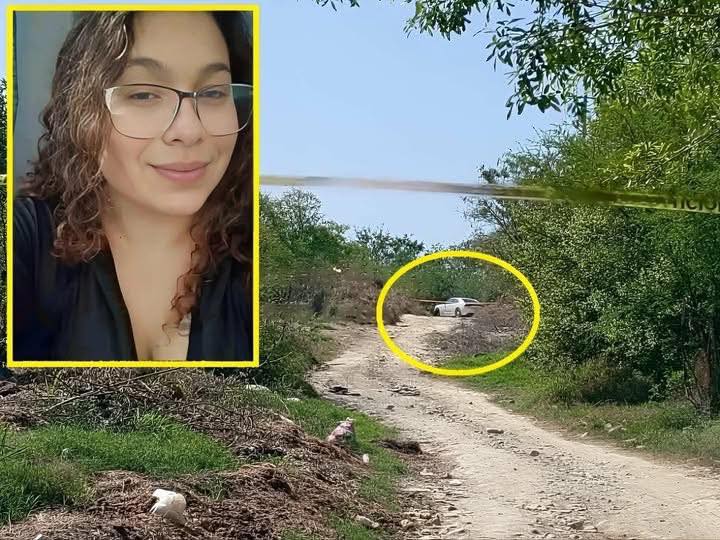
Local authorities in Phnom Penh responded early one morning after a woman was found lying in a vacant lot near a busy road in a residential neighborhood. Neighbors had noticed she had not moved for several hours and grew concerned.
When help arrived, the woman — believed to be in her early thirties — was conscious but visibly weak. A passerby who had seen her earlier realized something was wrong and made the call that brought emergency services. She was taken to a nearby health center for care. Officials later shared that she appeared malnourished and may have recently left a medical facility, though her identity has not yet been confirmed.
What changed her situation was not chance, but attention.
Someone noticed.
Someone chose not to walk past.
Moments like this quietly show how much ordinary awareness matters. A simple decision to speak up can move a person from danger into safety.
Beyond this single incident lies a larger reality many cities are facing. As urban areas grow, so do the number of people navigating illness, unstable housing, or recovery without strong support. Public spaces sometimes become resting places not by choice, but by necessity.
There is also the quiet problem of isolation in crowded places. Surrounded by thousands, someone can still be unseen. Life moves fast, and it becomes easy to assume someone else will step in.
But community care is built from small acts — checking, asking, calling for help when something doesn’t feel right.
Local health services and organizations in Phnom Penh continue working to reach people who may fall between medical treatment and stable living. Follow-up care, social support, and coordination between services are not luxuries — they are what prevent vulnerability from turning into crisis.
The woman is now receiving attention and treatment. That is the immediate good.
The deeper lesson is simpler: cities become safer not only through systems, but through people who remain awake to one another.
Compassion doesn’t require grand gestures.
Often it begins with noticing.
When communities stay attentive, fewer lives slip quietly into danger — and more find their way back to care.