
At the time, my life moved forward mostly on momentum. I worked full time at a small insurance office, raised two young children on my own, and leaned heavily on my mother, who helped when she could after long hospital shifts of her own. Most days blended together—work, school pickups, errands, fatigue. I wasn’t searching for meaning or reinvention. I was trying to keep things from falling apart.
That’s why, on a cold evening after work, I didn’t expect a brief moment in a grocery store parking lot to matter much at all.
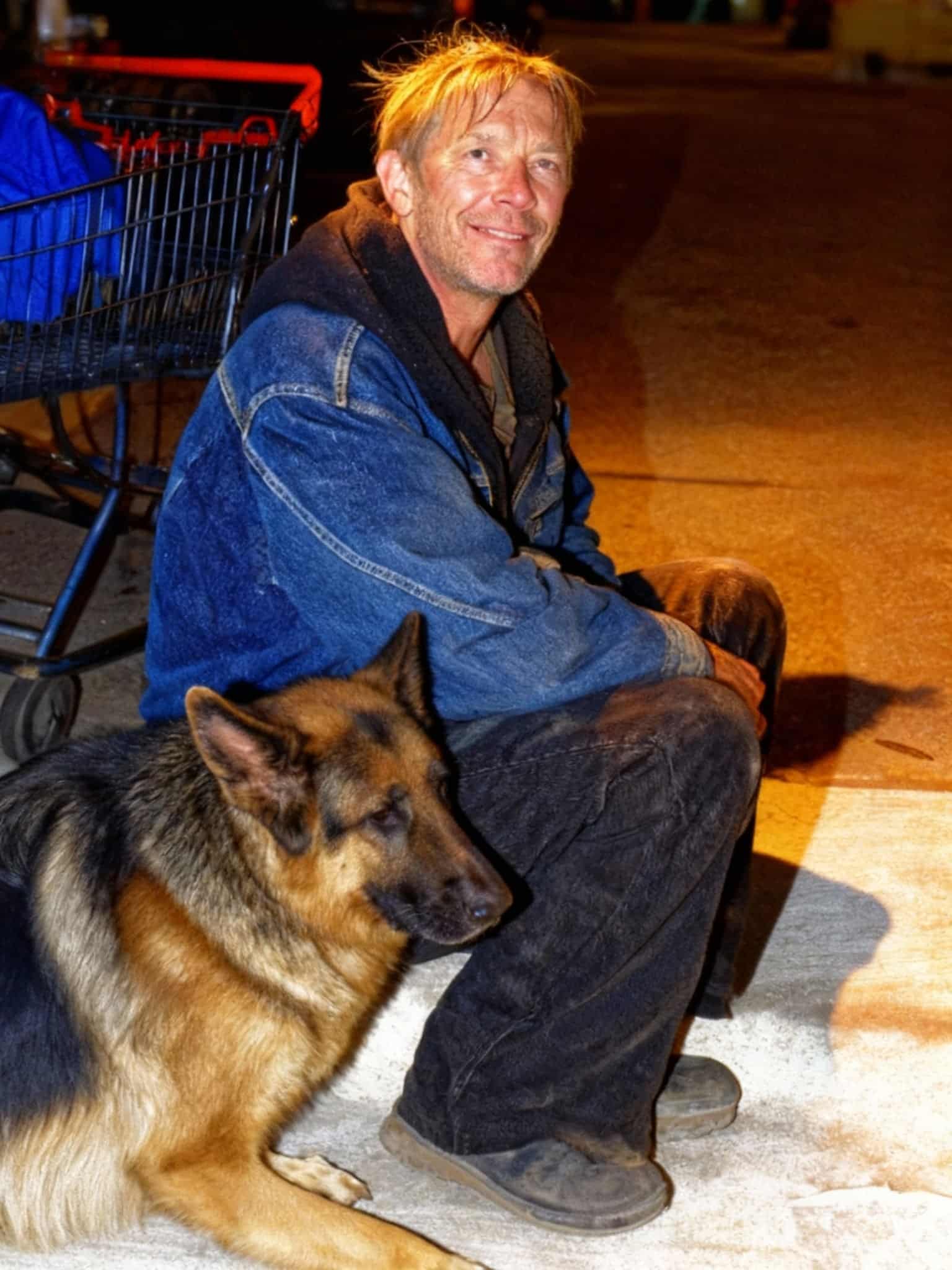
As I loaded groceries into my car, I noticed a man sitting a short distance away with a dog curled close against him. The dog looked calm and well cared for, deeply anchored to the man beside him. The man himself looked worn, as if he’d been carrying something heavy for a long time. He spoke politely. He said he was a veteran and hadn’t eaten since the day before. He didn’t ask for money—only food, if I had anything to spare.
I almost kept walking. I was tired, distracted, already thinking ahead to homework and dinner and the rest of the evening. But the way he shielded and attended to his dog made me pause. I went back inside and returned with a hot meal, water, and food for the dog. His thanks were quiet, almost restrained. I drove home assuming it was one small human exchange—kind, but forgettable.
About a month later, it resurfaced in a way I hadn’t anticipated.
My employer called me into his office and presented a letter from a veterans’ organization, praising an act of kindness. Instead of recognition, it was treated as misconduct. I was accused of manipulation and dismissed immediately. I left stunned, my thoughts moving quickly toward rent, groceries, and how I would manage for my children.
That night, I read the letter carefully. The organization was real. Still confused, I contacted them the next day—not to ask for help, but to understand how a simple decision had led to this.
What I learned reframed everything. The veteran I’d helped had reached out for support after that evening, saying the interaction reminded him he still mattered. The organization had stepped in to help him regain stability. When they learned I’d lost my job because of it, they didn’t turn away. They intervened where they could, corrected what they were able to, and eventually offered me a position working directly with veterans.
My life didn’t become easier overnight. But it became clearer.
I no longer measure my days by how quickly they end. I spend them helping people find steadiness again. What once felt incidental revealed itself, over time, as a turning point—not because it was dramatic, but because it was sincere.
Some choices don’t announce their importance when we make them. They simply wait, quietly, until their meaning has room to show itself.