
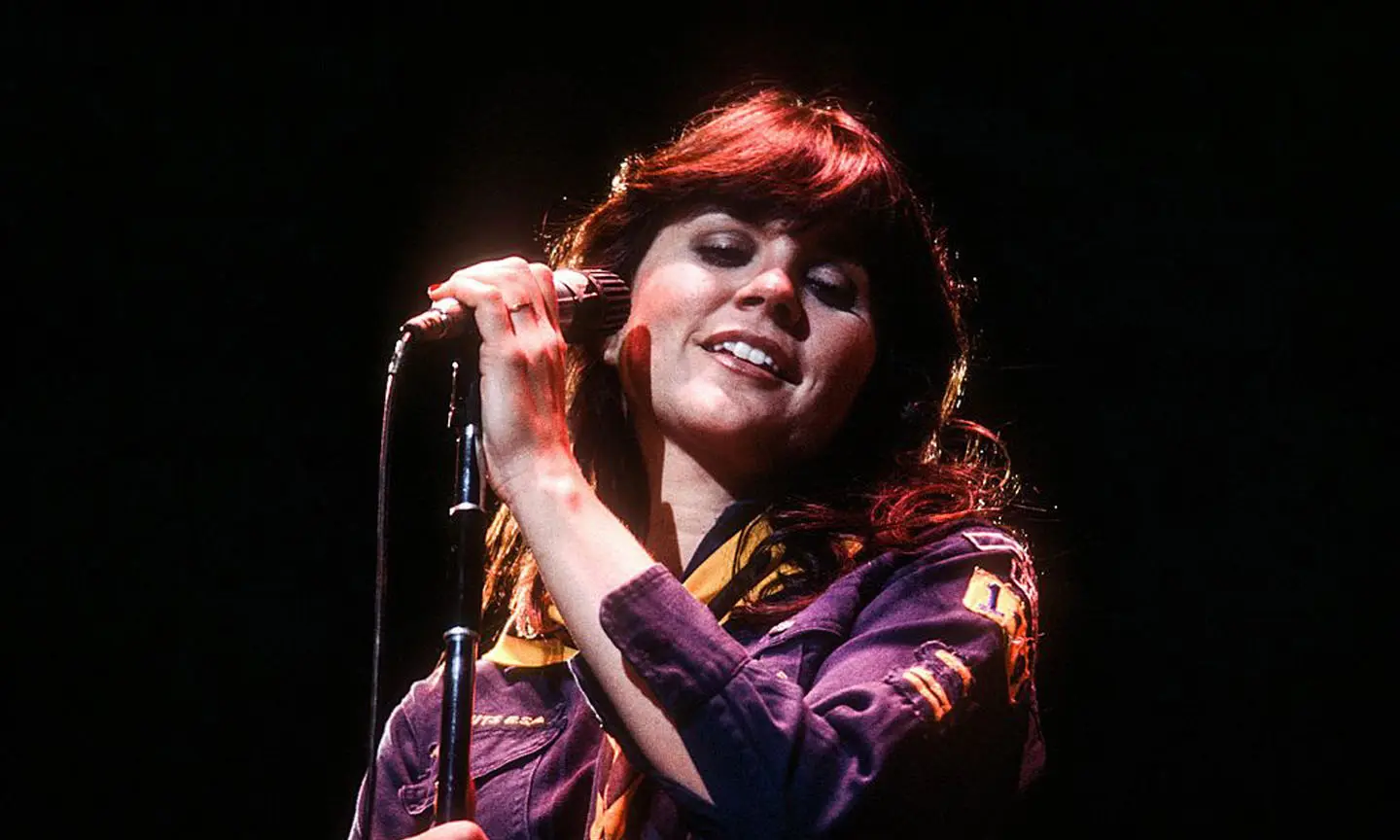
Linda Ronstadt’s “Poor Poor Pitiful Me”: Turning Heartache into Empowerment
When Linda Ronstadt released “Poor Poor Pitiful Me” in 1977 on her landmark album Simple Dreams, she once again demonstrated her rare gift — the ability to take a song written by someone else and completely transform its meaning through sheer interpretive brilliance.
Originally penned and recorded by Warren Zevon, the song was a darkly humorous reflection on romantic frustration. But under Ronstadt’s command, it became something else entirely: an anthem of self-assurance, laced with both rock ’n’ roll swagger and country tenderness.
A Song Reimagined
From the very first guitar riff, “Poor Poor Pitiful Me” bursts alive with a sense of rebellion and vitality. Ronstadt doesn’t simply perform the song — she inhabits it. Her powerhouse vocals strike the perfect balance between teasing irony and unflinching strength.
By flipping Zevon’s male narrative into a female perspective, Ronstadt redefined the song’s emotional landscape. What was once a cynical lament became a declaration of independence. Her phrasing, both playful and biting, transforms pain into resilience and humor into power.
It was — and remains — a masterclass in reinterpretation: the same words, a completely different soul.
The Chameleon of American Music
By 1977, Linda Ronstadt had already conquered the charts with her signature blend of country, pop, and rock. Yet “Poor Poor Pitiful Me” captured her artistry more completely than most.
Her voice — fierce, flexible, and unapologetically expressive — embodied the spirit of a woman who could not be confined by musical or social expectations. On Simple Dreams, she flowed effortlessly from “Blue Bayou” to “It’s So Easy” to “Poor Poor Pitiful Me,” uniting genres that were never meant to blend, and doing so with natural grace.
This song, in particular, distilled her artistic identity: fearless, versatile, and emotionally precise.
Irony, Strength, and Survival
Zevon’s lyrics are filled with tongue-in-cheek commentary on love and disappointment — but in Ronstadt’s voice, they carry new weight. When she sings, “He really worked me over good, he was a credit to his gender,” there’s no hint of victimhood. Instead, she delivers it with sly humor, defiance, and a touch of grit.
The title itself becomes ironic in her hands. She isn’t asking for pity; she’s mocking the very idea of it. That playful toughness — the refusal to collapse under heartbreak — became one of Ronstadt’s defining traits and a beacon for generations of women in music.
A Lasting Legacy
“Poor Poor Pitiful Me” became one of Ronstadt’s most celebrated performances, climbing into the Top 40 and helping Simple Dreams achieve multi-platinum success. Critics hailed her ability to inject life and depth into songs written by others — a hallmark that set her apart from her contemporaries.
While later covers by artists like Terri Clark found success, none matched the fiery wit and nuanced emotion of Ronstadt’s version. Her recording remains the definitive take, a timeless example of how a great interpreter can completely reinvent a song without altering its words.
The Power of Reinvention
Decades later, “Poor Poor Pitiful Me” still resonates as a celebration of resilience and wit in the face of heartbreak. It’s a perfect reflection of what made Linda Ronstadt one of the most important artists of her time — her refusal to be categorized, her mastery of tone and phrasing, and her gift for turning vulnerability into strength.
Through this song, she didn’t just reinterpret Zevon’s work — she redefined it.
In transforming pain into power, Linda Ronstadt didn’t simply sing “Poor Poor Pitiful Me.” She made it her battle cry.