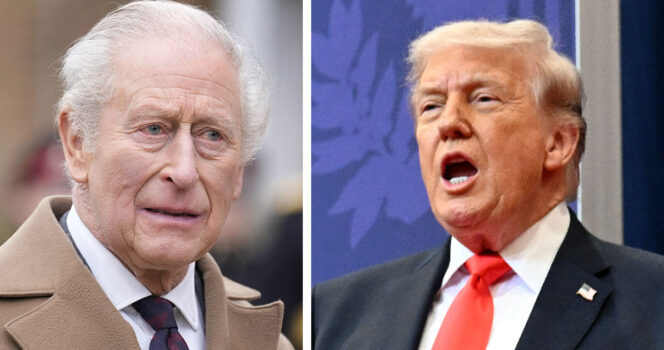
The episode highlights a familiar tension that often surfaces during high-profile diplomatic visits: the contrast between political messaging and constitutional neutrality.
During the White House state dinner, Donald Trump publicly suggested that King Charles III agreed with his stance on the Iran crisis. That assertion quickly drew attention—not so much for its content, but for what it implied.
Why the Palace responded
The British monarchy operates under a long-standing principle of political neutrality. While the monarch meets with world leaders and engages in diplomacy, he does not publicly endorse specific policy positions—especially on active geopolitical conflicts.
That’s why Buckingham Palace moved swiftly to clarify the situation. The response was carefully worded, emphasizing alignment with the UK government’s established stance on nuclear non-proliferation—without validating the claim of personal agreement.
This kind of response is typical:
measured, indirect, and focused on maintaining institutional balance rather than escalating disagreement.
The second moment: symbolism and trade
Shortly after the visit, Trump again referenced the King—this time in a more symbolic context, linking him to the decision to remove tariffs on Scotch whisky.
Here, the tone shifted noticeably. Instead of tension, the Palace responded with polite appreciation, framing the move as beneficial for industry and livelihoods. This reflects a different dynamic: economic gestures are far less politically sensitive than statements about military or geopolitical strategy.
A broader perspective
Taken together, these moments illustrate three important realities:
- Diplomatic events often serve multiple audiences
Public statements are rarely just for those in the room—they’re also aimed at domestic and global viewers. - Monarchies must navigate carefully
Even indirect political associations can create complications, especially when neutrality is a defining principle. - Language matters in international relations
A single phrase—like implying agreement—can shift the meaning of an otherwise routine event.
The economic angle
The discussion around whisky tariffs adds another layer. Trade between Scotland and U.S. states like Kentucky is deeply interconnected, particularly in the spirits industry. Removing tariffs can have tangible effects on:
- Export competitiveness
- Supply chains (like barrel exchange)
- Employment across both regions
In that sense, the decision—regardless of how it was framed—aligns with long-standing calls from industry leaders.
Final thought
What stands out isn’t just the remarks themselves, but how different institutions responded to them.
Political leaders often speak with flexibility, adapting tone and message to the moment. By contrast, institutions like the British monarchy rely on consistency and restraint to preserve credibility.
When those two styles intersect, even brief comments can take on a much larger significance—especially in a media environment where every word is examined, shared, and debated almost instantly.