
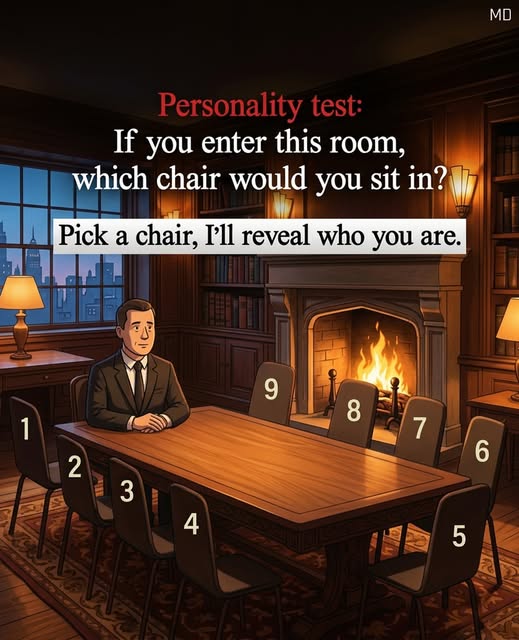
“Where will you sit?”—More Than a Simple Choice
It sounds like a practical question. You choose a chair, settle in, and the meal begins. But that small decision quietly shapes the entire experience.
A seat isn’t just a place—it’s a position in a living conversation.
What a Seat Changes
Where you sit influences:
- Who you naturally engage with
- Which conversations you hear or miss
- How comfortable you feel speaking
A table isn’t just furniture. It’s a flow of interaction, and your place within it guides how you move through that flow.
Different Seats, Different Roles
- The head of the table
Often carries presence. Not authority in a strict sense, but influence. The tone of the gathering tends to follow this seat. - Side seats
Encourage quieter, continuous exchange. Less formal, more fluid. These are the spaces where conversations develop naturally. - Middle positions
Draw you into everything. You become a bridge—hearing multiple voices, connecting different parts of the table. - Edges and corners
Offer perspective. You see more, speak less, but often understand the room more clearly.
None of these positions are better. They simply offer different ways of being present.
What Actually Matters
It’s easy to think the seat determines the experience.
It doesn’t.
Two people can sit in the same place and have entirely different evenings. One may stay distant. The other may quietly shape the atmosphere.
What changes everything is not position—but how you show up.
- Listening without waiting to respond
- Noticing who hasn’t spoken
- Including others without forcing it
- Speaking with intention, not volume
These small choices carry more weight than where the chair is placed.
The Real Center of the Table
Every gathering has a structure. But structure isn’t what people remember.
What stays is:
- A moment where someone felt heard
- A conversation that shifted something quietly
- A sense that being there mattered
That doesn’t come from the “best” seat.
It comes from presence.
Final Thought
You can sit anywhere—center, edge, beside someone, across from them.
The question isn’t really where you sit.
It’s how you sit there.
Because once the conversation begins, the chair fades.
What remains is the exchange—and the way you chose to be part of it.