
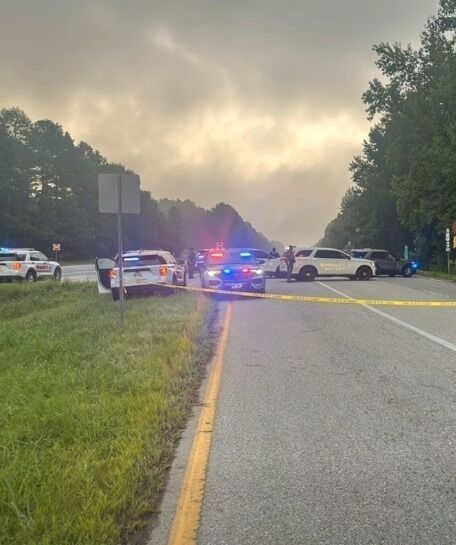
The nightmare was only just beginning for those inside the facility. As sirens wailed in the distance, the hospital was thrust into an immediate and terrifying lockdown. For the hundreds of people inside, the routine of medical care was replaced by the desperate, instinctual need to hide. Every shadow in a hallway and every sound in the distance became a potential threat as law enforcement raced toward the scene.
As the chaos began to settle into a grim reality, the true nature of the incident emerged: this was not a random act of violence, but a targeted attack. Authorities confirmed that the suspect was an employee of the hospital, someone who had walked the same halls and shared the same breakrooms as his colleagues. In a chilling betrayal of workplace trust, he had identified a 25-year-old coworker and opened fire, striking the young man twice in the arm.
The victim, caught in the crossfire of a colleague’s sudden descent into violence, was rushed into the very emergency department where he worked. The medical team, forced to compartmentalize their own shock and fear, worked with clinical precision to stabilize him. Miraculously, despite the severity of the attack, the victim survived. He remains in stable condition today, a testament to the resilience of the staff who refused to let the violence define their day.
The suspect was apprehended shortly after the shooting, but the damage to the hospital’s sense of security was already done. The incident has left the community and the medical staff at Corewell Health grappling with a difficult question: how do you protect a place of healing from the people who are supposed to be part of the cure? As the investigation continues, the hospital is undergoing a rigorous review of its security protocols, forced to confront the reality that the most dangerous threats can sometimes come from within.
For the employees of Beaumont Troy, the memory of that Thursday morning will linger long after the police tape is removed. It serves as a stark, sobering reminder of the fragility of safety in our modern world. While the physical wounds of the victim are healing, the emotional toll on the staff—who now look at their coworkers with a newfound sense of caution—remains a quiet, lingering scar on the institution.