
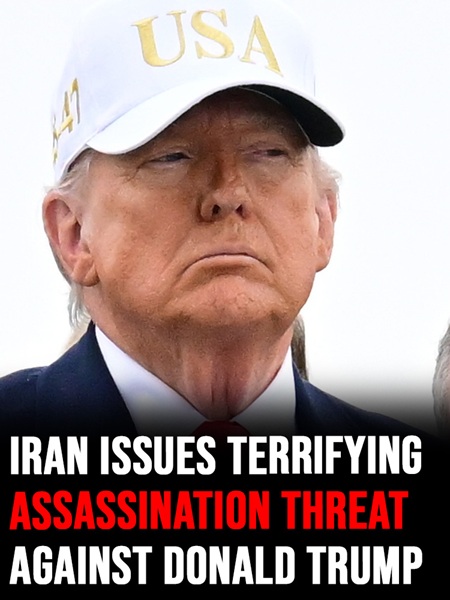
A new escalation in Middle East tensions has drawn global attention after Iran reportedly halted maritime traffic through the Strait of Hormuz, prompting a sharp reaction from the United States and raising concerns about energy security and international stability.
The Strait of Hormuz is one of the most strategically important waterways in the world. Nearly one-fifth of global oil shipments pass through the narrow channel each day, linking Gulf producers with international markets. Because of this, any disruption to traffic in the strait immediately affects energy prices, shipping routes, and global economic confidence.
According to reports circulating in international media, Iran signaled its intention to restrict passage through the strait as part of a broader response to rising military tensions in the region. The development followed a series of confrontations between Iran, Israel, and the United States that have intensified in recent days.
In response, former U.S. President Donald Trump issued strong warnings about the potential consequences if Iran continues to block shipping or threaten international trade routes. In a message shared on social media on March 10, Trump stated that any attempt to prevent the flow of oil through the strait would trigger a severe response from the United States.
His statement emphasized that the U.S. is prepared to defend global energy routes and American interests in the region if necessary. The message was widely interpreted by analysts as part of a broader effort to signal deterrence during a rapidly evolving crisis.
Iranian officials responded with their own statements asserting that the country would not be intimidated by foreign pressure. Figures connected to Iran’s national security leadership emphasized the country’s history of resisting outside influence and framed their position as a defense of national sovereignty.
The exchange of warnings reflects the broader atmosphere of confrontation that has developed after days of military activity across the region. Reports have described missile launches, drone attacks, and airstrikes involving multiple actors, creating a tense standoff that analysts warn could expand if further escalation occurs.
The potential closure of the Strait of Hormuz carries consequences far beyond the immediate region. Oil markets are highly sensitive to disruptions in the Gulf, and even the possibility of restricted shipping can lead to sudden increases in energy prices. Higher fuel costs can then ripple through transportation, manufacturing, and consumer goods markets worldwide.
Shipping companies and energy traders have already begun assessing the risks. Insurance costs for vessels traveling through the region may increase, and some operators could temporarily reroute or delay shipments until the situation becomes clearer.
Meanwhile, U.S. officials have emphasized that diplomatic channels remain active while military forces in the region remain prepared to protect maritime routes. American naval assets continue to operate in the Persian Gulf as part of long-standing efforts to maintain the security of international shipping lanes.
At the same time, governments around the world are closely monitoring developments. European countries, Asian energy importers, and Gulf states all depend heavily on stable oil flows through the strait. Any prolonged disruption could affect not only fuel supplies but also global financial markets and trade networks.
Security experts warn that the situation highlights the delicate balance in one of the world’s most sensitive geopolitical regions. The Strait of Hormuz has long been a focal point of U.S.–Iran tensions, with previous confrontations demonstrating how quickly incidents at sea can escalate.
Beyond the military dimension, the crisis also illustrates the intersection of economic pressure, political signaling, and global energy dependence. When a narrow maritime corridor carries such a large share of the world’s oil, actions taken there inevitably resonate far beyond the Gulf.
For now, the situation remains tense but uncertain. Both sides continue to exchange warnings while international observers urge restraint and renewed diplomatic engagement.
Moments like this reveal how interconnected modern geopolitics has become. A decision made in a small stretch of water between Iran and Oman can influence fuel prices, financial markets, and political calculations across continents.
As leaders weigh their next steps, the central challenge remains the same: balancing national interests and strategic deterrence while preventing a confrontation that could spiral into a far wider conflict.