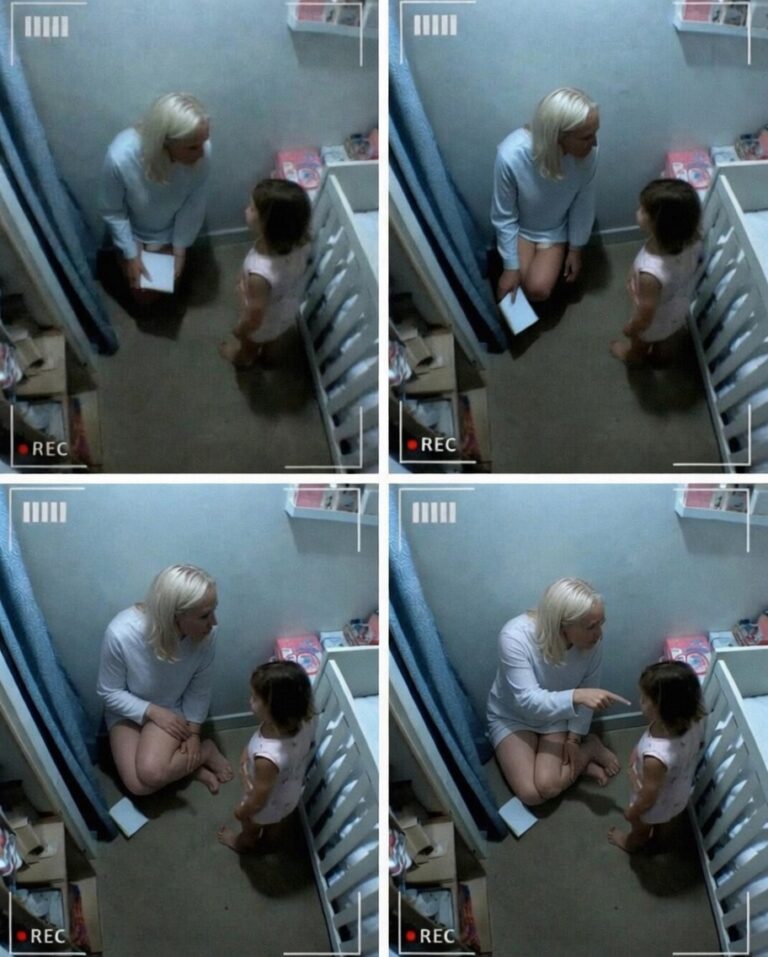
When Martha’s mother-in-law offered to babysit every Wednesday, it sounded like a kind and helpful gesture. A grandmother wanting extra time with her granddaughter seemed perfectly normal. But after a few weeks, Martha began noticing small changes in her four-year-old daughter, Beverly—changes that slowly turned her initial comfort into concern.
Martha and her husband Jason both worked full-time, and Beverly usually spent weekdays at daycare. It wasn’t always easy, but Beverly enjoyed being there and had friends she loved seeing. Everything felt balanced enough.
Then Jason’s mother, Cheryl, suggested something different.
“Why don’t I watch Beverly on Wednesdays?” she proposed during dinner one evening. “She can take a break from daycare, and I’ll get some time with my granddaughter.”
It seemed thoughtful, especially when Cheryl offered to babysit at Martha and Jason’s house so Beverly would stay in a familiar environment. After some hesitation, Martha agreed.
At first, everything seemed fine.
But after a few weeks, Beverly started saying things that didn’t quite make sense.
“I want to eat dinner with Daddy, Grandma, and her friend,” she said one night, pushing away the meal Martha had prepared.
“Grandma’s friend?” Martha asked.
Beverly only smiled and changed the subject.
The mysterious “friend” kept coming up in conversation over the following weeks. Beverly sounded excited when she mentioned her, yet she also seemed oddly distant with her mother.
One night, while Martha tucked Beverly into bed, the little girl asked a question that made Martha uneasy.
“Mommy,” she whispered, “why don’t you like our friend?”
Martha paused.
“Who told you that?”
Beverly hesitated, then repeated something that sounded strangely rehearsed.
“Our friend is part of the family. You just don’t see it yet.”
The words didn’t sound like something a four-year-old would naturally say.
Martha tried asking Cheryl about it a few days later.
“Has Beverly met someone new recently?” she asked casually.
Cheryl shrugged and dismissed it. “Kids make up imaginary friends all the time.”
But Martha’s instincts told her something wasn’t right.
So she did something she never expected to do—she set up an old baby monitor camera in the living room.
The following Wednesday, she checked the live feed from work.
At first everything looked normal. Beverly was playing on the floor while Cheryl relaxed on the couch.
Then Cheryl looked at the clock.
“Bev, sweetheart,” she said, smiling, “our friend will be here soon.”
Beverly clapped her hands excitedly.
“I love her!”
Then Cheryl added something that made Martha’s stomach drop.
“And remember what we talked about… what we don’t tell Mommy.”
“Not a word to Mom,” Beverly repeated.
Moments later, the doorbell rang.
Cheryl opened the door—and the woman standing there shocked Martha.
It was Alexa.
Jason’s ex-wife.
The woman Martha had been told moved away years ago.
Beverly ran straight to her, hugging her happily.
Martha grabbed her keys and rushed home immediately.
When she arrived, the three of them were sitting comfortably together like it was an ordinary visit.
“What is she doing here?” Martha demanded.
Beverly looked confused.
“Mommy, why are you ruining the reunion?”
Cheryl calmly explained the situation.
She believed Jason and Alexa were meant to be together and thought Beverly should build a relationship with Alexa in case they reconciled someday.
To Martha, it felt like a betrayal. Someone had been quietly shaping her daughter’s understanding of family behind her back.
She picked Beverly up and left immediately.
Later that night, she showed Jason the video.
He was shocked—and deeply upset.
After a long conversation, he made his decision clear: his mother would no longer be allowed to spend time alone with Beverly.
Cheryl tried calling repeatedly afterward, but Martha refused to engage. Some boundaries, she realized, have to be firm.
What began as a simple babysitting arrangement revealed something far more serious about trust and family loyalty.
For Martha, the choice was clear.
Protecting her daughter came first.