
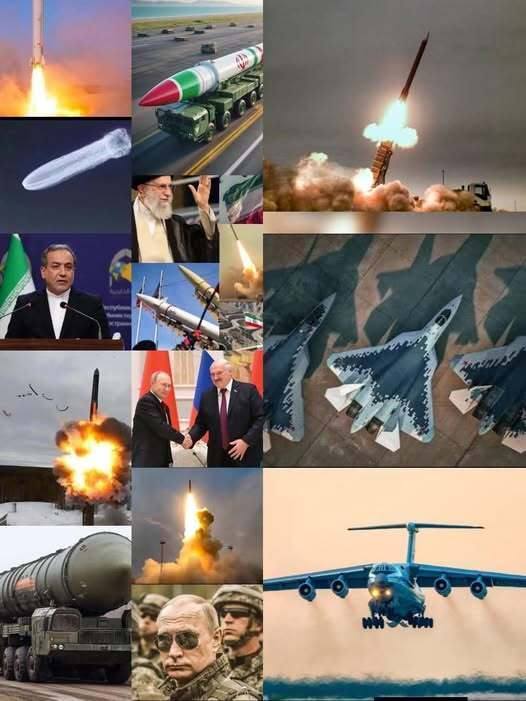
After Russia’s full-scale invasion of Ukraine in 2022, Europe’s security posture shifted from long-term debate to immediate urgency. What once felt theoretical — large-scale war on the continent — became a strategic reality.
For decades, much of Europe relied heavily on NATO’s collective defense structure and U.S. security guarantees. Now, with the war in Ukraine ongoing and geopolitical tensions elevated, European leaders are accelerating efforts to strengthen military readiness, industrial capacity, and strategic autonomy within both the EU framework and North Atlantic Treaty Organization.
Eastern Europe Moves First
Countries geographically closest to Russia have taken some of the most visible steps. Nations such as:
- Poland
- Lithuania
- Latvia
- Finland
- Sweden
have expanded defense budgets, modernized armed forces, strengthened border infrastructure, and revived civil defense guidance for citizens.
Finland and Sweden’s accession to NATO marked a major structural shift in Northern European security, extending NATO’s direct border with Russia. Meanwhile, Poland has become one of Europe’s highest defense spenders relative to GDP, investing heavily in air defense systems, artillery, and armored capabilities.
Public awareness campaigns and updated emergency preparedness guides have also returned in parts of Northern and Eastern Europe — reflecting a broader societal shift toward resilience planning.
EU-Level Coordination
At the European Union level, defense spending has risen significantly since 2022, surpassing €300 billion collectively across member states. Programs often referenced in policy discussions — such as “Readiness 2030” and expanded joint procurement initiatives — aim to address long-standing fragmentation in Europe’s defense industry.
Key priorities include:
- Coordinated weapons procurement
- Faster cross-border troop mobility
- Increased ammunition production
- Reduction of regulatory bottlenecks
- Upgrading rail, port, and transport infrastructure for military logistics
The goal is not to replace NATO, but to strengthen Europe’s pillar within it — making European forces more interoperable and less dependent on external supply chains.
Structural Challenges
Despite momentum, obstacles remain:
- Industrial capacity limitations
- Ammunition production shortfalls
- National-level political disagreements
- Budgetary constraints in some member states
- Regulatory delays across borders
Defense manufacturing ramp-ups require long lead times, skilled labor, and supply chain resilience — all areas where Europe is working to accelerate progress.
At the same time, the United States has increasingly encouraged European allies to shoulder a larger share of NATO’s defense burden. That pressure adds urgency but also political complexity within EU capitals.
The Strategic Question
The central question facing Europe is no longer whether it should strengthen its defenses — that consensus has largely formed. The challenge is speed and cohesion.
Can Europe:
- Expand industrial production fast enough?
- Maintain political unity across 27 EU member states?
- Balance domestic economic pressures with defense investment?
The war in Ukraine has reshaped European strategic thinking. What was once framed as abstract deterrence planning is now tied to visible conflict just beyond EU borders.
Europe’s defense transformation is underway — but the pace, sustainability, and long-term cohesion of that effort will determine how effectively the continent adapts to a rapidly evolving security landscape.