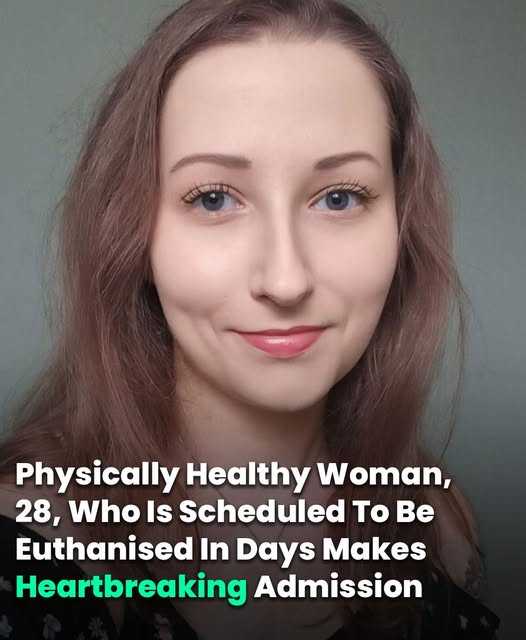
The case of Zoraya ter Beek, a 28-year-old woman from the Netherlands who has publicly stated her intention to pursue euthanasia based on psychiatric suffering, has reignited an intense global debate about autonomy, ethics, and the boundaries of medical responsibility.
Under Dutch law, euthanasia is legal when strict criteria are met. A patient must experience what the law defines as “unbearable suffering with no prospect of improvement,” make a voluntary and well-considered request, and be evaluated by multiple independent physicians. While most cases historically involve terminal physical illness, the Netherlands also permits euthanasia for psychiatric conditions if those safeguards are satisfied.
Ter Beek has stated that she has been diagnosed with severe, treatment-resistant depression, autism, and borderline personality disorder. She describes years of therapy, medication, and psychiatric interventions that did not significantly improve her condition. In interviews, she has said that the repeated cycle of attempting new treatments and experiencing renewed disappointment became part of her distress.
Supporters of euthanasia rights argue that mental suffering can be as profound and debilitating as physical illness. From their perspective, excluding psychiatric patients from eligibility would create unequal standards of compassion. They emphasize that Dutch cases involving mental health undergo particularly extensive review, often including multiple specialists and long evaluation periods.
Critics, however, raise serious concerns. Many psychiatrists note that hopelessness and a desire to die can themselves be symptoms of depression, complicating questions of true autonomy. Others worry that expanding euthanasia to psychiatric conditions risks sending a societal message that psychological suffering is less worthy of long-term support and innovation in care.
The debate extends beyond one individual. It touches on broader issues:
- How should societies define “unbearable suffering”?
- Can consent be fully autonomous when mental illness affects cognition and perception?
- What safeguards are sufficient to protect vulnerable individuals?
Ter Beek has described her decision as a search for relief after prolonged suffering, framing it as an assertion of personal agency. At the same time, mental health advocates stress that suicidal ideation and despair are treatable for many people, even after multiple failed approaches, and that emerging therapies continue to evolve.
Her case does not resolve these tensions. Instead, it highlights the complexity of balancing compassion with caution — and the difficulty of drawing ethical lines in situations where suffering is invisible but deeply felt.
For readers encountering stories like this who may themselves feel overwhelmed or hopeless, it’s important to remember that support is available. Mental health conditions can fluctuate, and new forms of care — including crisis counseling, peer support, and emerging therapies — may provide options that once seemed out of reach. Reaching out to a trusted person, a licensed mental health professional, or a local crisis service can be a critical first step.
At its core, the discussion surrounding this case reflects a profound and ongoing global question: how should societies respond when suffering persists, and where should the boundary lie between protecting life and respecting individual choice?