University of Iowa Fraternity Hazing Incident Draws Renewed Attention
A police bodycam video connected to a fraternity incident at the University of Iowa has resurfaced online, generating significant public discussion.
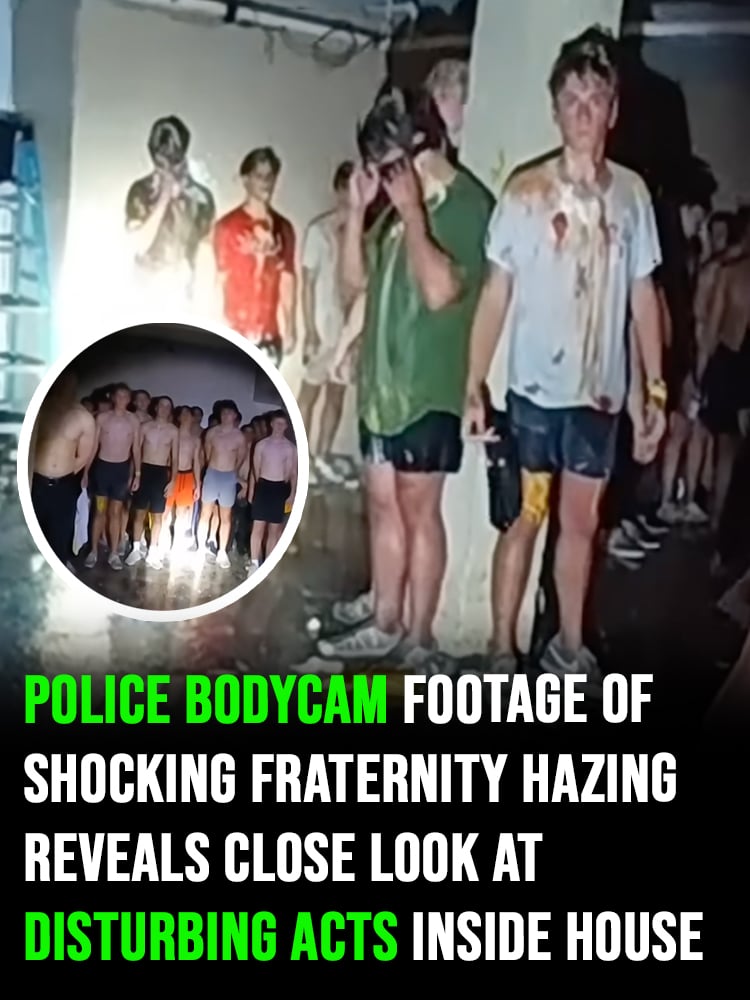
The footage, originally recorded in November 2004, shows officers responding to a fire alarm at the Alpha Delta Phi fraternity house. What they encountered in the basement raised immediate concerns about potential hazing activity.
According to reports, first responders found dozens of shirtless men standing in a darkened room. Several appeared to be blindfolded and covered in what officers described as food or other substances. The scene prompted questions about student safety and compliance with university policy.
What Officers Reported
In the bodycam footage, one officer can be heard asking the group to explain what was happening, noting the unusual and concerning nature of the scene from a law enforcement perspective.
Officers instructed those present to remove blindfolds, clear the area, and cooperate. They emphasized that they had responded to a fire alarm and that all individuals were required to comply immediately.
A man later identified in reports as 21-year-old Joseph Gaya stated that the gathering was intended as a form of celebration. However, police remained focused on ensuring safety and determining whether university or state anti-hazing laws had been violated.
Authorities made clear that any activity placing individuals at risk — physically or emotionally — would not be tolerated.
University Response and Legal Outcome
University officials reiterated that hazing is strictly prohibited under campus policy and Iowa law. Following an internal investigation, the university suspended the fraternity chapter for four years.
Joseph Gaya was arrested the day after the incident and charged with interference with official acts. Court records later indicated that the charges were dropped. Reports also noted that he was not enrolled as a student at the university at the time.
The university’s disciplinary actions reflected an effort to reinforce standards of conduct and protect student welfare.
Broader Concerns About Hazing Culture
The resurfaced footage has reignited discussion about hazing practices across college campuses nationwide.
Critics argue that such traditions — often framed as bonding experiences — can quickly cross into humiliation, coercion, or dangerous behavior. Supporters of stricter enforcement say consistent oversight is essential to prevent harm.
Universities across the country have since expanded anti-hazing policies, education programs, and reporting systems aimed at encouraging accountability.
A Reminder About Safety and Responsibility
Incidents like this serve as a reminder that group traditions must never come at the expense of dignity or safety.
College organizations play a significant role in shaping student experiences, leadership skills, and lifelong friendships. But those benefits depend on clear boundaries, transparency, and respect for individual well-being.
As conversations continue, many agree on one point: prevention requires vigilance, education, and a shared commitment to protecting students from unnecessary risk.