Facebook Twitter Instagram
    Trending
    • There’s something about Caitlyn
    • The Untold Story of Tyrus: More Than Just a Wrestler
    • 11 Possible Reasons for Red Dots on Your Skin
    • There’s something about Caitlyn
    • Scientists Tracked an Eagle for 20 Years—What They Learned
    • There’s something about Caitlyn
    • Inside the Explosive Backlash Against Erika Kirk as Leaked Audio of Her Giggling After Husband Charlie Kirk’s
    • Inside the Explosive Backlash Against Erika Kirk as Leaked Audio of Her Giggling After Husband Charlie Kirk’s
    Facebook Twitter Instagram
    Daily Stories
    • Home
    • News
    • Conservative
    • Magazine
    • Health
    • Animals
    • English
    Daily Stories
    Home » “It’s Not For Sale.” — With Just Four Words, Bruce Springsteen Turned Down $12 Million And Protected The Soul Of A Nation’s Song. In 1985, Chrysler offered him a fortune to use Born In The U.S.A. in a car commercial — but Bruce didn’t hesitate. He saw through the glittering paycheck and said no. Why? Because the song wasn’t a jingle. It was a scream, a wound, a truth too raw to be polished and packaged. Born In The U.S.A. wasn’t written for profits — it was written for the broken, the forgotten, the veterans sent off to war only to be abandoned back home. To sell it would’ve been a betrayal. Springsteen didn’t just reject the deal — he drew a line in the sand. In an era when music was being bought, Bruce chose to protect its meaning. No luxury, no label, no corporate check could rewrite the pain in those lyrics. He stood for the working class, the disillusioned, the dreamers — and in saying no, he proved once again: Some songs aren’t made for selling. They’re made for remembering.
    News

    “It’s Not For Sale.” — With Just Four Words, Bruce Springsteen Turned Down $12 Million And Protected The Soul Of A Nation’s Song. In 1985, Chrysler offered him a fortune to use Born In The U.S.A. in a car commercial — but Bruce didn’t hesitate. He saw through the glittering paycheck and said no. Why? Because the song wasn’t a jingle. It was a scream, a wound, a truth too raw to be polished and packaged. Born In The U.S.A. wasn’t written for profits — it was written for the broken, the forgotten, the veterans sent off to war only to be abandoned back home. To sell it would’ve been a betrayal. Springsteen didn’t just reject the deal — he drew a line in the sand. In an era when music was being bought, Bruce chose to protect its meaning. No luxury, no label, no corporate check could rewrite the pain in those lyrics. He stood for the working class, the disillusioned, the dreamers — and in saying no, he proved once again: Some songs aren’t made for selling. They’re made for remembering.

    Kelly WhitewoodBy Kelly WhitewoodJune 2, 20252 Mins Read

    Why Bruce Springsteen Turned Down $12 Million for “Born in the U.S.A.”
    In 1985, Bruce Springsteen received a monumental offer from Chrysler: $12 million to use his song “Born in the U.S.A.” in a commercial campaign. At the time, it would have been one of the largest music licensing deals ever. But Springsteen declined without hesitation. According to his longtime manager Jon Landau, his response was simple and direct: “It’s not for sale.”

    The decision went beyond just turning down a lucrative deal. It reflected Springsteen’s deeply held belief that certain songs carry meaning too significant to be repurposed for advertising. “Born in the U.S.A.” may sound like a patriotic anthem to the casual listener, but its verses tell a much different story—one of disenchantment, hardship, and the struggles faced by Vietnam War veterans returning to a changed and often indifferent America.
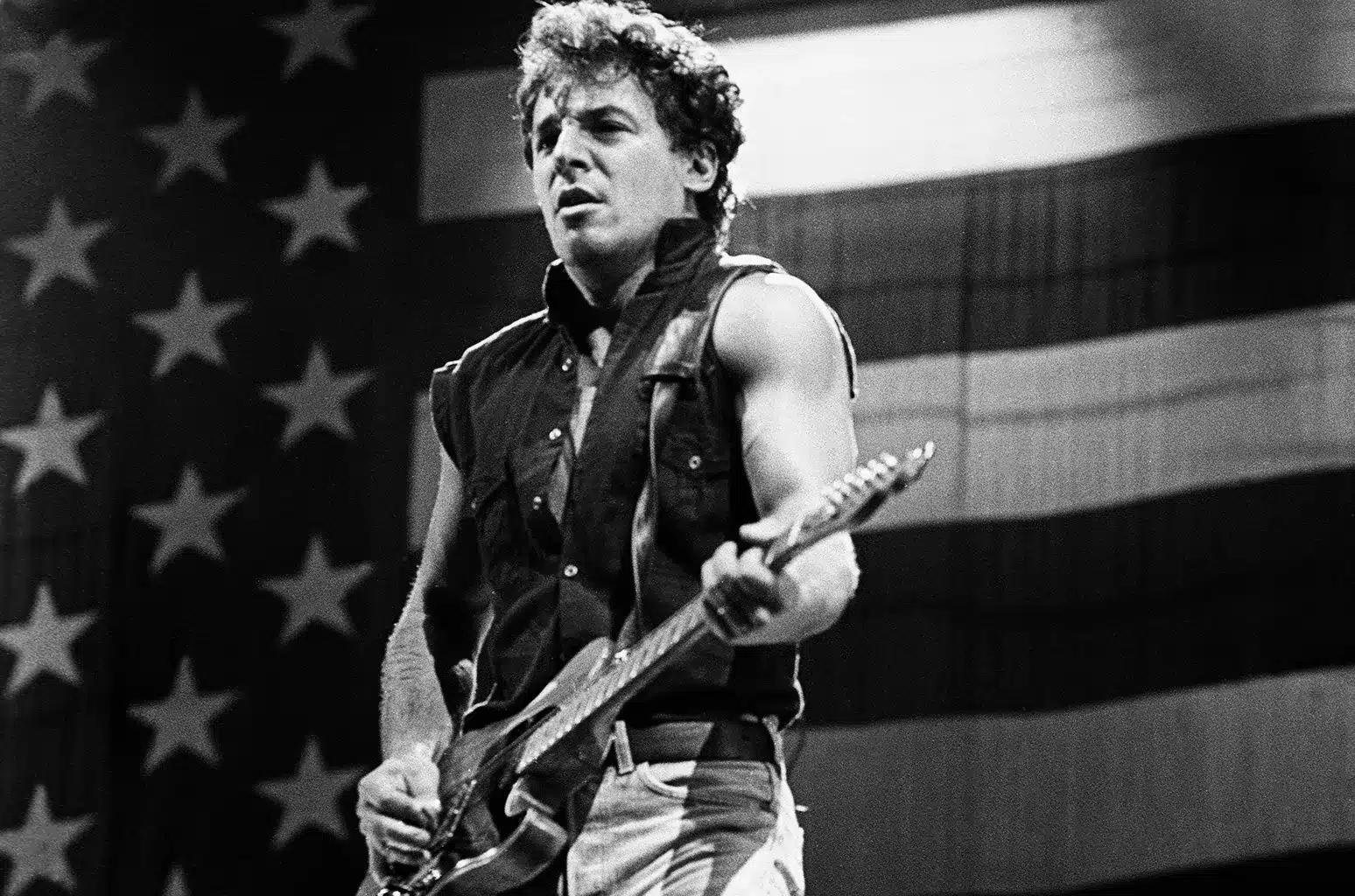
    Lines like “Sent me off to a foreign land / To go and kill the yellow man” underscore the song’s darker themes, making it an unlikely fit for commercial use. Springsteen understood that allowing the song to be used in an ad could easily obscure or dilute its message, transforming a story of pain and reflection into a marketing tool.

    During a time when many artists were increasingly licensing their music for commercial purposes, Springsteen’s refusal stood out. For him, “Born in the U.S.A.” wasn’t just a hit single—it was a statement, rooted in the experiences of working-class Americans and those left behind by broken promises.

    Springsteen has consistently positioned his music as a vehicle for storytelling rather than sales. By turning down Chrysler’s offer, he made clear that, for him, the integrity of the message outweighed even the most tempting financial reward.

    Previous ArticleCarrie Underwood refuses to share the stage with Beyoncé and quits the summer’s top country event over ‘half-naked dancers in cowboy hats’
    Next Article Tell me why I’m crying over two people I’ve never met—Tim McGraw and Faith Hill just turned ‘We’ve Got Tonight’ into a soul-crushing, heart-melting reminder that love like this still exists.

    Related Posts

    There’s something about Caitlyn

    April 13, 2026

    The Untold Story of Tyrus: More Than Just a Wrestler

    April 13, 2026

    11 Possible Reasons for Red Dots on Your Skin

    April 13, 2026
    Search
    Categories
    • Conservative (1)
    • English (5)
    • Health (1)
    • Magazine (3)
    • News (5,876)
    Categories
    • Conservative (1)
    • English (5)
    • Health (1)
    • Magazine (3)
    • News (5,876)
    • Contact Us
    • Privacy Policy
    • Terms of Service
    Copyright © 2026, News24. All Rights Reserved.

    Type above and press Enter to search. Press Esc to cancel.