We all know the names Neil Armstrong and Buzz Aldrin.
Their faces and voices are forever connected to one of humanity’s greatest achievements — the moment people first walked on the moon.
But history-changing moments are rarely created by only the people standing in front of the cameras.
Behind Apollo 11 were thousands of engineers, scientists, technicians, mathematicians, programmers, and specialists whose names never became household words.
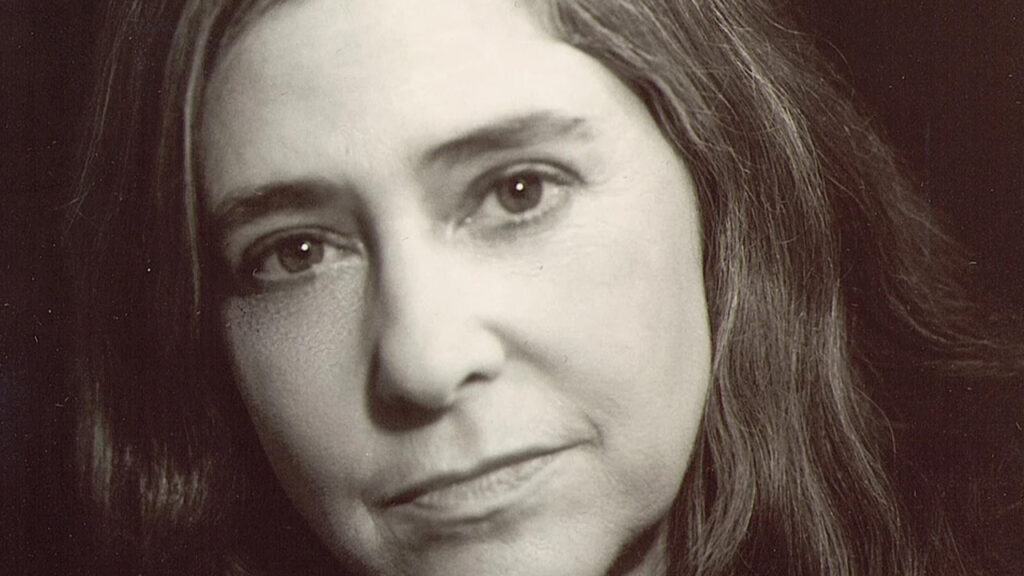
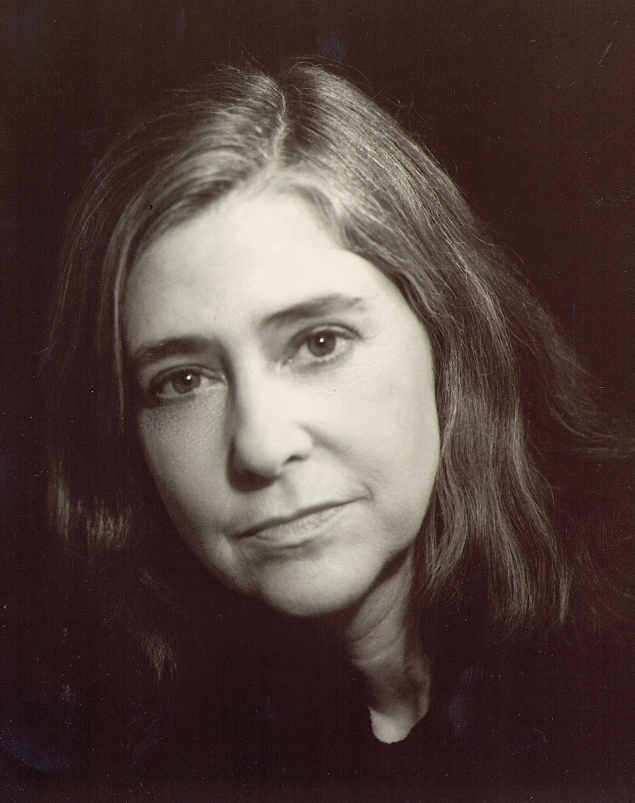
Margaret Hamilton was one of them.
Hamilton, the pioneering computer scientist who led the team responsible for developing crucial onboard software for NASA’s Apollo missions, has died at the age of 90.
According to MIT News, she died September 30 in Cambridge, Massachusetts.
Hamilton never sat inside the lunar module.
She never walked across the moon.
Yet when Apollo 11 encountered dangerous computer alarms during its descent toward the lunar surface, the software architecture Hamilton and her team had helped create played a crucial role in allowing the mission to continue.
That alone would be enough to secure her place in history.
But her influence went much further.
Hamilton was born in Paoli, Indiana, and joined MIT’s Instrumentation Laboratory in 1965 after learning that researchers there were developing software for the ambitious Apollo program.
At a time when computer programming was still an emerging profession, she became the first programmer hired for MIT’s Apollo project and eventually rose to lead the group responsible for onboard flight software used during the crewed missions.
Today, software engineering is a massive global industry.
When Hamilton began her work, it was still becoming a recognized discipline.
She helped change that.
Over the course of her career, Hamilton authored or co-authored more than 130 publications and became one of the figures credited with helping establish software engineering as a serious field of study and practice.
She was also building that career at a time when women remained vastly underrepresented in science and technology.
Hamilton later said that she personally had not felt strongly discriminated against by the people supervising her work.
“I suppose I was fortunate that my superiors were liberal enough not to let it bother them.” Continue Reading ⬇️