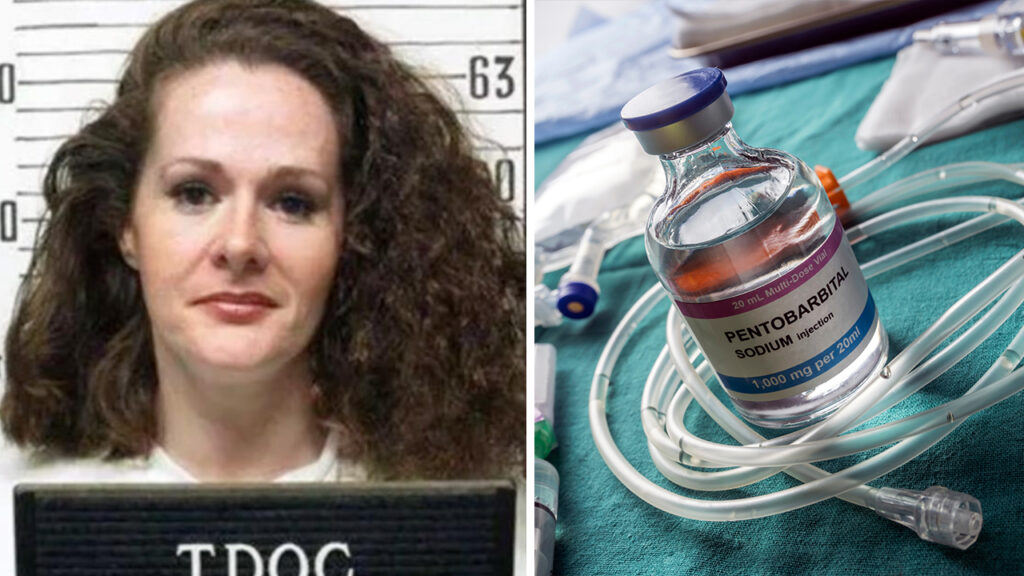
Christa Pike survived Tennessee’s failed attempt to execute her on September 30, and a medical expert now says the injuries she suffered could potentially become so serious that another execution attempt may never happen.
Pike, 50, had been scheduled to become the first woman executed in Tennessee in nearly two centuries.
Instead, after two doses of pentobarbital failed to kill her, she was taken from Riverbend Maximum Security Institution to a hospital, where her lawyers say she remains critically ill.
The execution team reportedly struggled for more than an hour to establish intravenous access before the lethal drugs were administered.
According to Pike’s attorney, Randy Spivey, execution personnel used multiple needles while trying to place IV lines, including at least seven punctures in one arm. One needle reportedly came out bent.
Witnesses later described Pike remaining responsive after the lethal-injection process began.
She moved on the gurney, breathed heavily, appeared to look toward her arm and could later be heard making snoring sounds even after the curtain separating her from witnesses had been closed.
The execution had already been delayed earlier that day after a federal appeals court temporarily halted it.
Hours later, the U.S. Supreme Court vacated that stay and allowed Tennessee to proceed.
What happened afterward has raised serious medical and legal questions.
Dr. Joel Zivot, an anesthesiologist and longtime opponent of capital punishment, said he believed the complications were foreseeable.
“These things were predictable. I knew that they would happen. I called that they would happen and they happened.” Continue Reading ⬇️