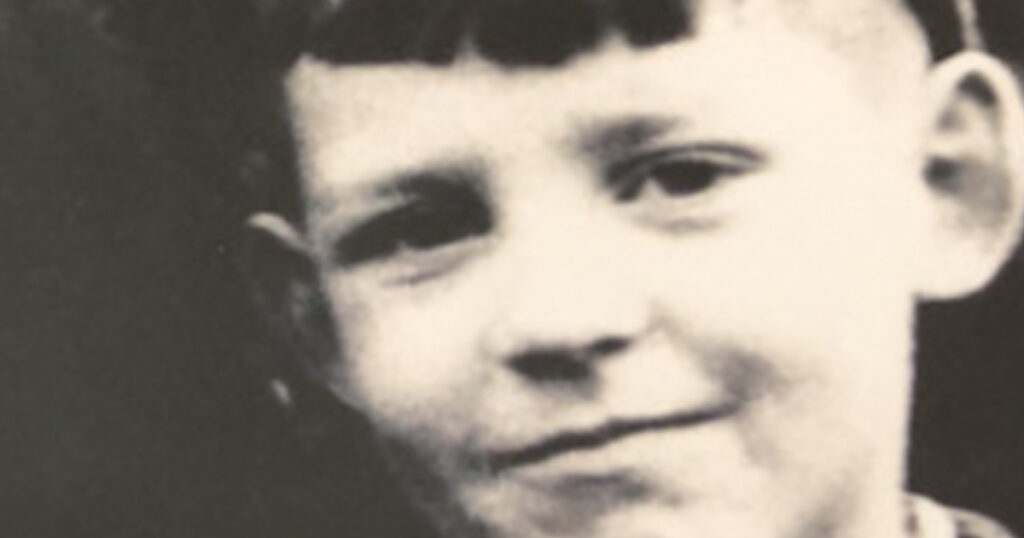
He didn’t come from wealth.
And he certainly wasn’t handed an easy road to stardom.
He left school at 16, became an apprentice gas fitter and spent his nights performing wherever someone would let him near a microphone.
Years later, that same young man would stand onstage at Woodstock and deliver one of the most unforgettable performances of the entire festival.
His name was John Robert “Joe” Cocker.
And behind that legendary voice was a life filled with extraordinary highs, devastating lows, addiction, near-collapse, love, recovery and one of rock music’s most remarkable second acts.
Cocker was born May 20, 1944, in Sheffield, a city dominated by Britain’s steel industry.
His father served in the Royal Air Force during World War II before working as a civil servant, while his mother looked after the family.
His birth name was John Robert Cocker, although almost everyone would eventually know him as Joe.
Even the origin of that nickname became part of the mythology surrounding him.
One version suggests it came from a childhood game involving a cowboy character. Another claims he was named after a local window cleaner.
Whatever the truth, “Joe Cocker” would eventually become one of the most recognizable names — and voices — in British rock.
Growing up in Sheffield during the 1950s was a world away from the glamorous life he would later experience.
The city was an industrial powerhouse.
Factory chimneys filled the air with smoke, and generations of pollution had blackened buildings throughout working-class neighborhoods.
To the people living there, it was simply home.
For Cocker, however, music gradually became a doorway to somewhere else.
He didn’t necessarily begin with some grand vision of becoming an international superstar.
He simply wanted something different.
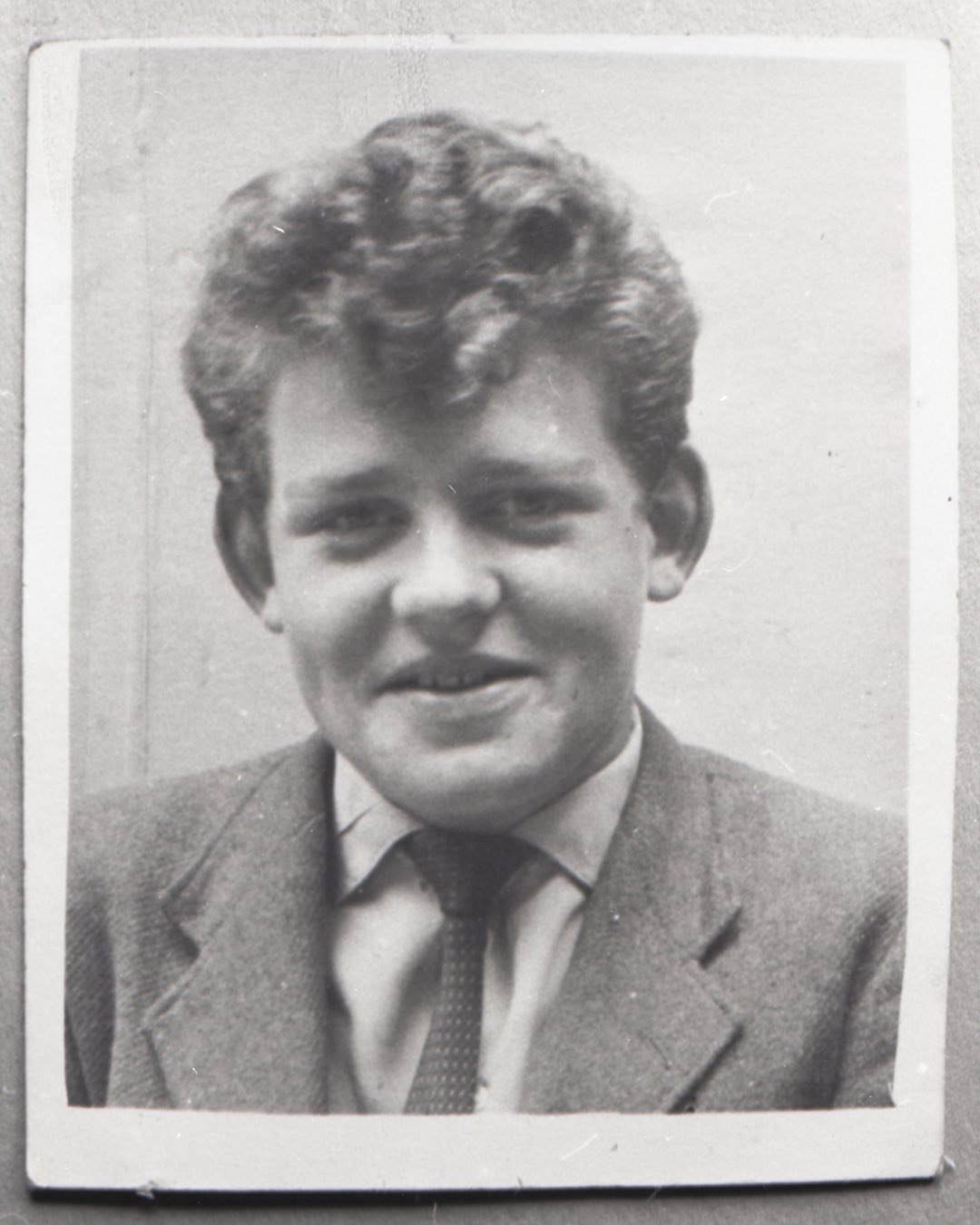
Cocker left school at 16 and trained as a gas fitter.
According to family recollections, his headmaster’s farewell was hardly inspirational.
“Hard luck.”
His mother initially thought the gas industry might become her son’s future.
“I thought he was going to take up gas fitting as a career,” she once recalled. “I even got him a lot of books on the subject, and he was interested in gas for a time, but there was always the music.”
Then Cocker apparently told her something that revealed just how little the conventional working life appealed to him.
“He told me he didn’t want a job where he worked for years and years and then got presented with a gold watch at the end.”
So he worked during the day and sang at night.
The early years weren’t glamorous.
Cocker performed in local pubs and clubs, sometimes borrowing equipment and spending much of the money he earned from ordinary jobs on recordings and demos.
His brother later remembered that the extraordinary voice people eventually associated with Cocker wasn’t immediately obvious.
“His voice had hardly broken and there was no way you could recognize his talent,” he told The Star, “but his enthusiasm was undeniable and he had that desire to perform which was there throughout his career.”
That desire kept Cocker going when almost nobody outside Sheffield knew his name.
He played with local groups and immersed himself in blues and soul music, influences that would eventually become fundamental to his vocal style.
Then, in 1964, he received an opportunity from Decca Records.
Cocker traveled to London and recorded a cover of the Beatles’ “I’ll Cry Instead.”
He reportedly earned almost nothing from the session.
More importantly, the record failed to become a hit.
Decca dropped him.
Years later, Cocker could joke about the rejection.
“Decca were very professional,” he said. “That’s why they dropped me.”
For many aspiring singers, that might have been the end.
Cocker went back to ordinary employment, including work packing goods, while continuing to perform.
He even played drums at times.
But he refused to abandon music.
Four years later, everything changed.
Cocker recorded another Beatles song.
This time it was “With a Little Help from My Friends.”
But calling Cocker’s recording simply a Beatles cover barely describes what he did to it.
The Beatles’ original was warm and melodic, sung by Ringo Starr.
Cocker transformed it.
He slowed it down.
He filled it with gospel and blues.
And then he unleashed that voice.
The result sounded less like a cover and more like a completely different song.
Released in 1968, Cocker’s version reached No. 1 in Britain.
He later recalled receiving a telegram from John Lennon and Paul McCartney.
“THANKS YOU ARE FAR TOO MUCH, JOHN AND PAUL.”
Suddenly, the former gas fitter from Sheffield wasn’t performing anonymously in local pubs anymore.
America was calling.
Cocker toured the United States in 1969.
Then came the performance that permanently changed the way audiences saw him.
Woodstock.
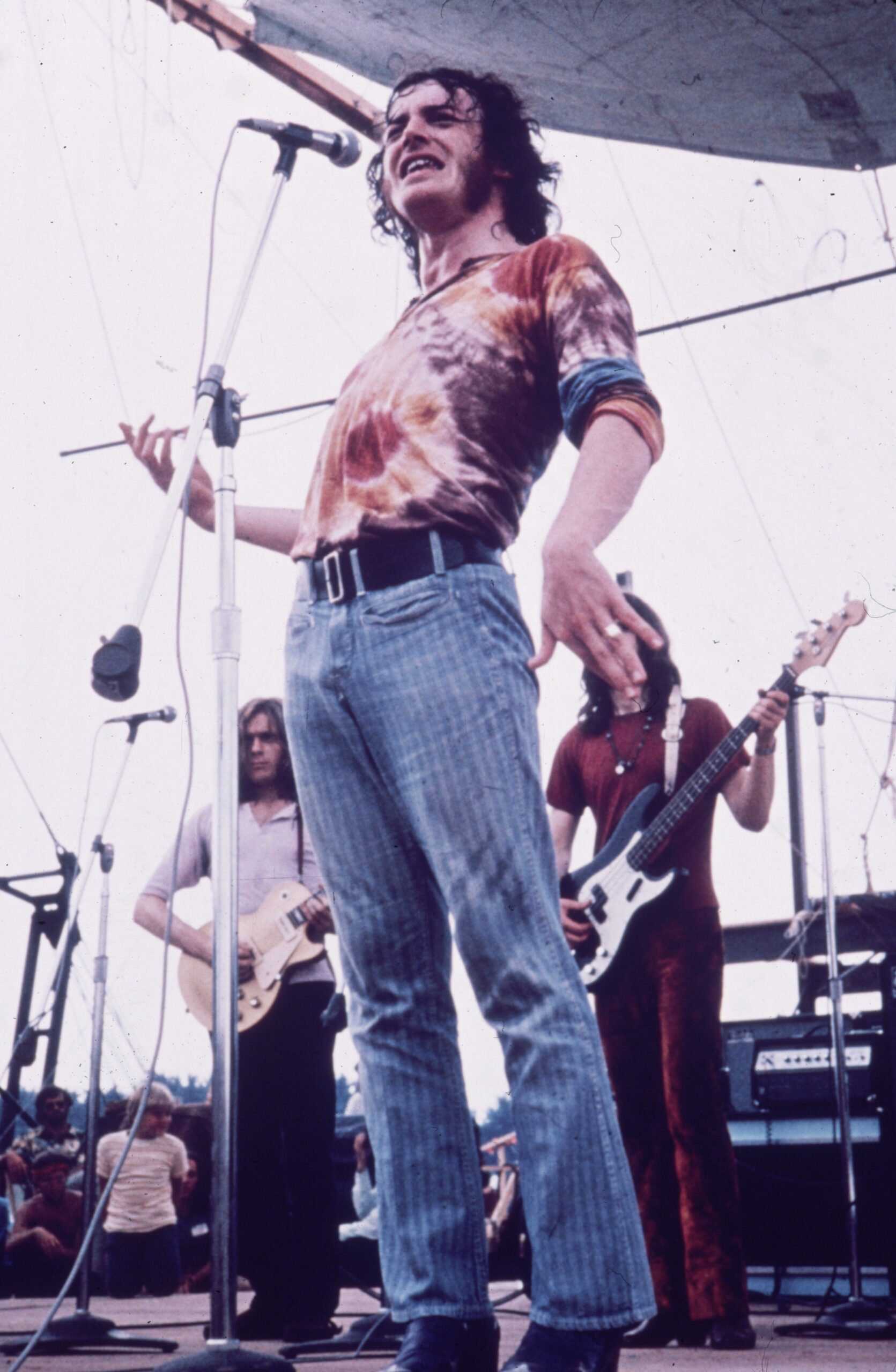
In August 1969, Cocker walked onto the stage wearing a tie-dyed shirt and jeans.
His hair was wild.
His mutton-chop sideburns framed his face.
And when he began singing “With a Little Help from My Friends,” something extraordinary happened.
Cocker didn’t simply sing songs.
He appeared to physically wrestle with them.
His face twisted with emotion.
His arms moved wildly through the air.
His body jerked and contorted.
His voice shifted from a soulful rasp into enormous screams that seemed to come from somewhere far deeper than his throat.
For viewers unfamiliar with him, the sight could be startling.
But it was almost impossible to look away.
His performance became one of the defining moments associated with Woodstock and gained an even larger audience through the festival film.
Cocker had taken a song written by two of the world’s most famous musicians and somehow made it unmistakably his own.
Years later, he remained characteristically understated about the legendary appearance.
“Were we epic? I dunno,” he told Louder.
What he remembered particularly well was his clothing.
“I was wearing a tie-dyed shirt, and when I took it off after, the colors had stained my chest in the exact same pattern.”
That combination of extraordinary musical intensity and down-to-earth humor remained part of Cocker’s appeal.
But success brought problems almost as quickly as it brought fame.
Cocker continued touring relentlessly.
His Mad Dogs & Englishmen tour became legendary for its enormous traveling ensemble, chaotic atmosphere and powerful performances.
The accompanying live album became a major American success.
Behind the scenes, however, the lifestyle was becoming increasingly dangerous.
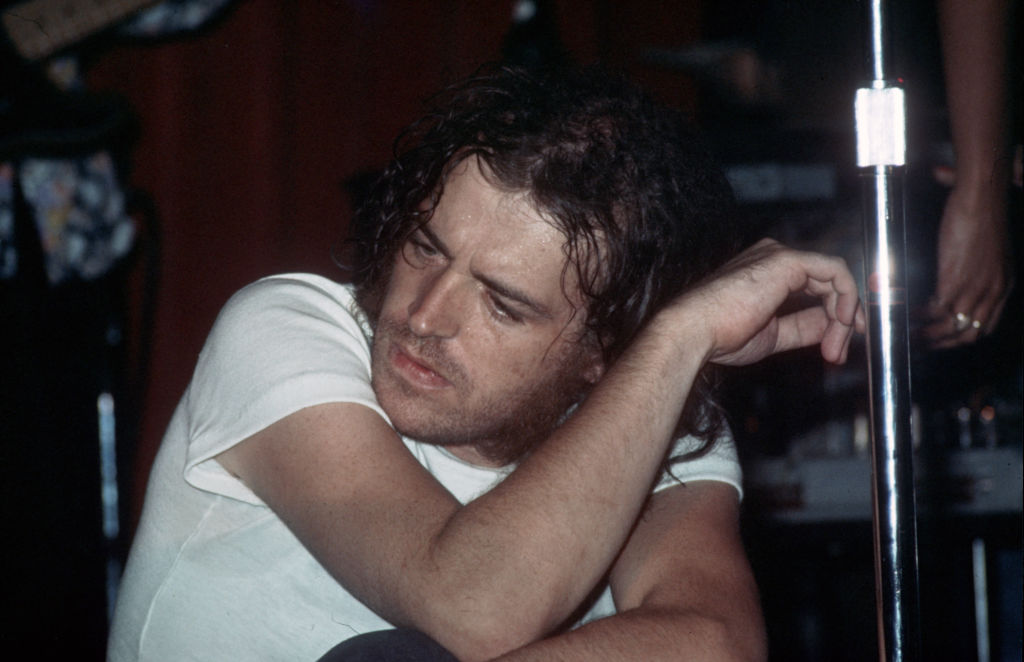
Alcohol and drugs became deeply embedded in Cocker’s life.
Heroin.
Cocaine.
Pills.
Heavy drinking.
The substances that initially accompanied the celebration of rock stardom eventually began controlling it.
Cocker later spoke candidly about his heroin use.
“I started taking heroin seriously, even though I’d thought it was the big taboo,” he admitted.
He said he snorted the drug rather than injecting it but still recognized its frightening power.
“I flirted with addiction, but I couldn’t handle it on that level. It was too powerful and intense.”
Heroin made him feel fearless.

Dangerously fearless.
He recalled speeding along the motorway between London and Sheffield while friends begged him to slow down.
“They’d be terrified, shouting at me to slow down,” Cocker remembered. “I didn’t bat an eyelid.”
Alcohol became another destructive constant.
The singer who could command enormous audiences was increasingly struggling to control himself away from the microphone.
By the mid-1970s, the consequences were becoming impossible to hide.
His performances became unpredictable.
His health deteriorated.
There were arrests and public incidents.
During an Australian tour, Cocker was arrested on a cannabis-related charge.
Another incident in Melbourne following a hotel altercation resulted in a night behind bars.
Even that became a story Cocker later told with dark humor.
“They put me in a cell with a bank robber, and an Aborigine who was alleged to have murdered someone,” he recalled.
Then came the wonderfully Cocker-like punchline.
“The bank robber seemed like a nice bloke. Said he had all my albums.”
But beneath the humor was a career in serious danger.
One notorious 1974 Los Angeles performance demonstrated just how bad things had become.
Cocker said someone backstage gave him cocaine before the show.
He had also consumed a bottle of brandy.
After only a couple of songs, everything fell apart.
“I sat down on stage with a total mental block,” he later recalled.
For a performer, forgetting what you’re doing in front of an audience is terrifying.
For Cocker, it was also evidence that his lifestyle was becoming impossible to sustain.
And yet, even during some of his most chaotic years, the music kept producing moments of brilliance.
His recording of “You Are So Beautiful” became one of the most enduring performances of his career, reaching the Top 5 in the United States.
Cocker’s interpretation stripped the song down emotionally.
There was no need for vocal gymnastics.
His battered, vulnerable delivery did everything.
It became one of those rare recordings where the imperfections in a singer’s voice become the very reason the song works.
But Cocker’s greatest commercial triumph was still ahead.
In 1982, he teamed with Jennifer Warnes for “Up Where We Belong,” recorded for the film An Officer and a Gentleman.
The duet reached No. 1 in the United States and became an enormous international hit.
It also earned Cocker and Warnes a Grammy Award.
The achievement represented something few people might have predicted during Cocker’s darkest years.
He hadn’t become another tragic casualty of 1970s rock excess.
He had survived.
Cocker himself seemed almost amazed when looking back on the distance he had traveled.
“I suppose my journey from 16-year-old gas fitter to today is a bit staggering,” he once reflected.
He remembered someone in Australia telling him, “You’ve led a life.”
Cocker’s response was wonderfully unsentimental.
“Not a good one, mind. Not even a bad one. Just a life.”
He also knew what might have happened had music never worked out.
“I’d still be singing in pubs and wondering what might have been.”
One person became particularly important in helping Cocker create a more stable version of that life.
Pam Baker.
Cocker had previously been involved in a long, on-and-off relationship with Eileen Webster.
Then, in the late 1970s, he spent time at a California ranch owned by actress Jane Fonda.
There he met Pam, a former summer camp director.
The two began a relationship and eventually married in 1987.
Pam became an enormously stabilizing presence.
After years defined by touring, addiction and chaos, Cocker gradually moved toward a quieter existence.
The couple eventually established their home at Mad Dog Ranch in Crawford, Colorado.
His life didn’t suddenly become ordinary.
He remained Joe Cocker.
There were albums to make.
Concerts to perform.
Planes to catch.
Audiences around the world still wanted to hear that voice.
But the destructive lifestyle that had once threatened to consume him no longer defined every part of his existence.
Cocker also never completely lost his connection to Sheffield.
Despite spending years abroad and eventually settling in America, the working-class boy from the steel city remained close to the surface.
His brother recalled that even while living in Colorado, Joe would wake early to watch his beloved Sheffield United whenever he could find their matches on television.
Through the 1980s and 1990s, Cocker continued recording and touring.
Albums including Unchain My Heart, One Night of Sin, Night Calls and Have a Little Faith kept his career alive internationally.
He performed at major events including Prince’s Trust concerts, a Nelson Mandela tribute, Rock in Rio II and Woodstock ’94.
Returning to Woodstock 25 years after the festival that had helped make him famous must have been an extraordinary full-circle moment.
He kept going into the new millennium.
Albums such as Hymn for My Soul and Hard Knocks demonstrated that there was still an audience for Cocker long after many artists from his generation had stopped recording regularly.
His career ultimately stretched across roughly half a century.
The boy who had once borrowed microphones in Sheffield had become a global touring artist.
The apprentice gas fitter who wanted something more than a gold watch at retirement had built a catalogue known around the world.
But decades of heavy smoking had taken their own toll.
Cocker had reportedly smoked heavily for years before quitting in 1991.
On December 22, 2014, Joe Cocker died from lung cancer at his home in Crawford, Colorado.
He was 70.
His death brought tributes from musicians and fans who remembered not merely the songs but the extraordinary way he performed them.
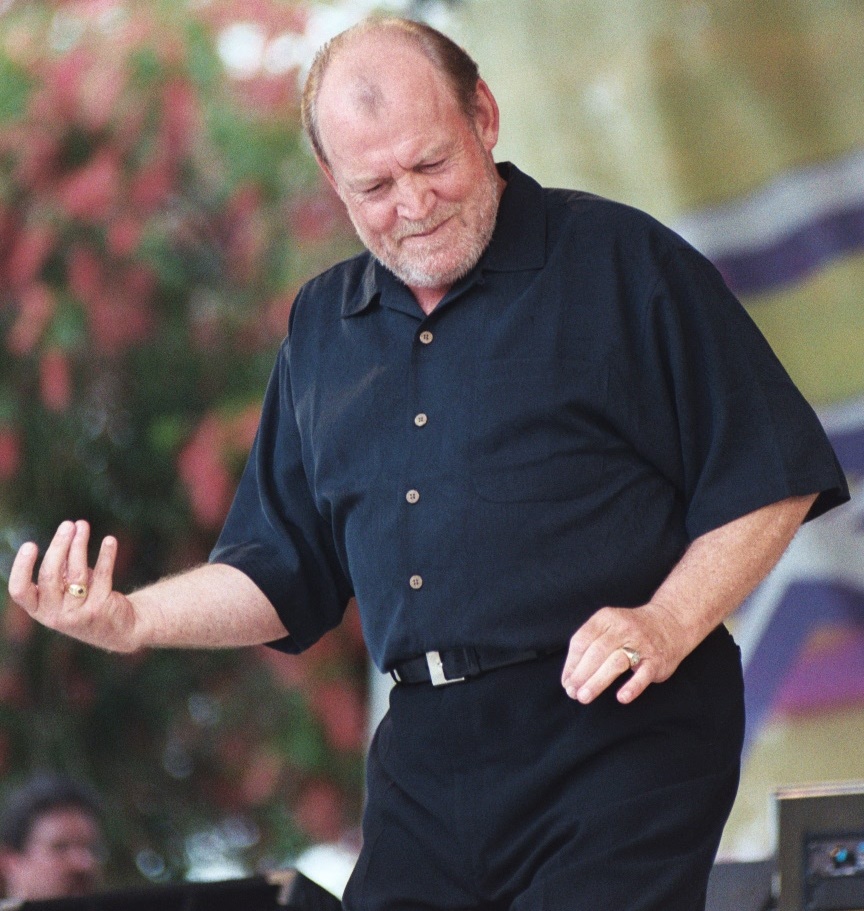
Cocker never looked polished onstage.
That wasn’t the point.
He looked as though every song was happening to him in real time.
The clenched fists.
The shaking arms.
The grimaces.
The screams.
The gravel in his voice.
Some singers performed music.
Joe Cocker appeared possessed by it.
His career was also proof that commercial success doesn’t always arrive neatly.
He reportedly came close to financial disaster during the 1970s as addiction, touring expenses and poor financial oversight created serious problems.
Later, with greater stability in his personal life, he rebuilt.
By the time of his death, estimates placed his wealth in the tens of millions of dollars, though celebrity net-worth figures should always be treated as estimates rather than verified financial statements.
What mattered more was the catalogue he left behind.
“With a Little Help from My Friends.”
“You Are So Beautiful.”
“Up Where We Belong.”
“Unchain My Heart.”
“You Can Leave Your Hat On.”
“Feelin’ Alright.”
Songs that continued playing long after the tours ended.
And in November 2025, more than a decade after his death, Cocker received another major recognition when he was posthumously inducted into the Rock & Roll Hall of Fame.
For admirers who had long believed his influence deserved that recognition, it was a fitting addition to his legacy.
Still, awards only explain part of why Cocker remains memorable.
There were technically cleaner singers.
There were more conventional frontmen.
There were performers who moved more gracefully.
But very few sounded like Joe Cocker.
You could hear only a few seconds and know exactly who was singing.
That voice contained blues, soul, rock, exhaustion, pain and experience.
Perhaps that’s why “With a Little Help from My Friends” remains so powerful.
The opening begins.
Then that unmistakable voice arrives.
And suddenly, the former gas fitter from soot-covered Sheffield is back onstage again.
His life was messy.
There were addictions he nearly didn’t escape.
There were performances he probably wished he could erase.
There were financial problems, arrests and years when the future looked uncertain.
But there was also recovery.
Love.
A second chance.
And music that survived him.
Joe Cocker once said that if success had never arrived, he probably would have continued singing in pubs and wondering what might have been.
Thankfully, he never had to wonder.
The world heard him.