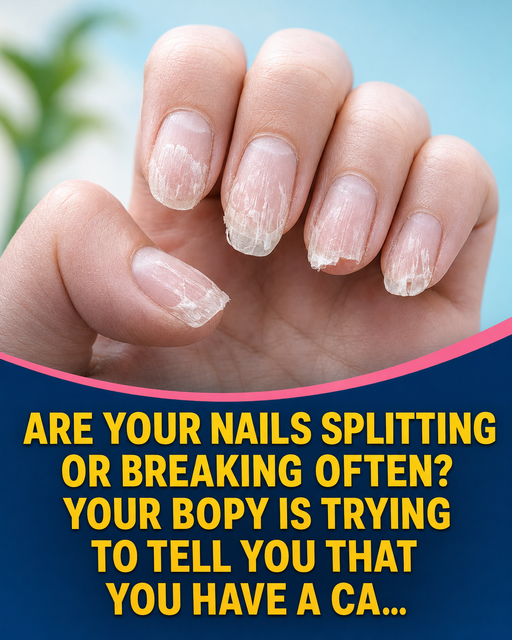
That slowdown includes slower cell renewal, hormonal fluctuations, reduced circulation, and a gradual dip in how well the body absorbs nutrients. Because nails reflect what’s happening internally, what you eat can meaningfully influence how they grow and hold up over time.
Why Nails Change After 40
As the body ages, the processes that once kept nails growing quickly and evenly start to slow down. Cell renewal takes longer, hormone levels shift, and circulation isn’t always as efficient at delivering nutrients to the nail bed.
On top of that, the body’s ability to absorb certain vitamins and minerals from food can decline. Together, these factors show up as slower growth, visible ridges, thinner nail plates, and a higher tendency toward splitting or peeling.
Key Nutrients for Nail Strength
Nails are made largely of keratin, a protein-based structure, which means protein intake is foundational to how strong they stay. As protein synthesis naturally slows with age, not getting enough can leave nails brittle and weak.
Biotin, a B vitamin, plays a similar supporting role. Lower biotin levels have been linked to brittle nails, and the body’s ability to absorb it may decrease over time, making dietary sources more important as the years go on.
Iron matters too, since it helps carry oxygen to the nail matrix, the area where new growth begins. When iron is low, nails can appear pale, thin, or unusually fragile.
Healthy fats, especially omega-3s, round out the picture by helping nails stay flexible and properly hydrated rather than dry and prone to cracking.
Best Foods to Support Growth and Hydration
Getting these nutrients doesn’t require anything complicated—just consistent choices at meals. For protein, options like eggs, fish, poultry, dairy, beans, and lentils help keep keratin production steady.
Biotin can come from egg yolks, nuts, oats, mushrooms, and sweet potatoes, which gradually reinforce nail structure at the cellular level.
- Leafy greens, legumes, and seeds for iron, paired with vitamin C-rich foods to improve absorption
- Moderate amounts of red meat as an additional iron source
- Fatty fish, flaxseeds, chia seeds, and walnuts for omega-3s that support moisture and flexibility
Combining an iron source with a bit of vitamin C at the same meal is a simple habit that can make the mineral easier for the body to absorb.
A Practical Takeaway
There’s no single food that transforms brittle nails overnight. Instead, consistent, balanced nutrition—enough protein, key vitamins, minerals, healthy fats, and adequate hydration—works together over time to support gradual improvement.
Nails that stay strong after forty are, in many ways, a reflection of steady internal balance rather than a quick fix. Paying attention to everyday eating habits offers a practical, low-pressure way to support both nail health and broader long-term well-being.