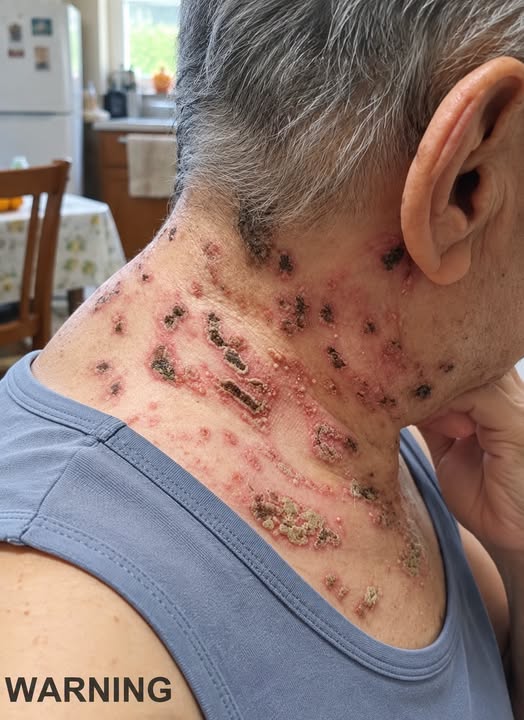
By understanding that this condition represents the reactivation of a virus many people carry from childhood, you can better appreciate why these sensations occur in a specific, narrow band of skin. The virus, which remains dormant in nerve tissue for years, can be triggered by various factors, leading to a localized inflammatory response. When you experience tingling, burning, or heightened sensitivity that seems to follow a distinct path on one side of your body or face, it is important to consider that this may be the precursor to a more significant dermatological event. The subsequent appearance of a rash or fluid-filled blisters within that same area is the clinical hallmark of the condition, signaling that the virus has traveled along the nerve pathway to the surface of the skin. While the rash itself is often painful and visually concerning, the underlying nerve involvement is what frequently causes the most distress. Seeking medical evaluation as soon as these symptoms appear is not merely a precaution; it is a vital step in accessing appropriate therapeutic support.
When you consult a healthcare professional, the primary goal is often to initiate antiviral treatment as quickly as possible. These medications are most effective when administered shortly after the onset of the rash, ideally within the first few days. By acting swiftly, you may be able to significantly reduce the severity and duration of the illness. Furthermore, prompt intervention is a critical strategy for mitigating the risk of long-term complications, most notably post-herpetic neuralgia. This complication, characterized by persistent and often debilitating nerve pain that remains long after the skin has healed, is a significant concern for many patients. While not everyone will experience this outcome, the potential for chronic discomfort underscores why early detection and medical guidance are so important. Your doctor can assess your specific situation, provide a formal diagnosis, and outline a treatment plan tailored to your health history, which may include pain management strategies alongside antivirals.
Beyond immediate treatment, prevention remains the most effective tool in managing the impact of this virus. Vaccination is widely recognized as a key preventative measure, significantly lowering the likelihood of developing shingles and reducing the severity of symptoms should a breakthrough infection occur. For many adults, particularly those in higher-risk age groups or those with specific health conditions, discussing vaccination with a primary care provider is a proactive way to safeguard long-term well-being. It is important to view this conversation not as a response to fear, but as a standard component of preventative health maintenance. By staying informed about the availability and recommendations for vaccines, you empower yourself to make decisions that prioritize your future comfort and health. This proactive approach helps in maintaining a healthy lifestyle while minimizing the potential for future viral reactivation.
Living with the possibility of shingles requires a balanced perspective. It is not necessary to interpret every minor ache or skin irritation as a sign of viral reactivation, as such hyper-vigilance can lead to unnecessary anxiety. Instead, focus on recognizing meaningful patterns. If you notice a localized, one-sided sensation that persists or evolves into a rash, that is the moment to reach out for professional advice. Medical professionals are well-equipped to distinguish between common skin irritations and the specific nerve-related symptoms of shingles. Their expertise allows for an accurate assessment and the implementation of evidence-based care, which remains the gold standard for navigating this condition. By staying vigilant yet calm, you can ensure that you are taking the right steps to protect your physical health.
Ultimately, the management of shingles is rooted in the intersection of patient awareness and clinical expertise. By acknowledging the virus’s presence in the body and understanding how it manifests, you can move from a place of uncertainty to one of informed action. Whether it involves monitoring for early symptoms, adhering to a prescribed antiviral regimen, or discussing the benefits of vaccination, your engagement in the process is the most valuable asset you have. Consistent communication with your healthcare provider ensures that you are receiving the most current and appropriate care, helping to minimize the disruption that this condition can cause to your daily life. While the virus may be a silent passenger for many, being prepared to act when it becomes active is the most effective way to protect your health and comfort. Evidence-based medicine continues to provide robust pathways for treatment and prevention, reinforcing the importance of seeking professional guidance at the first sign of concern to ensure the best possible health outcomes for every individual.