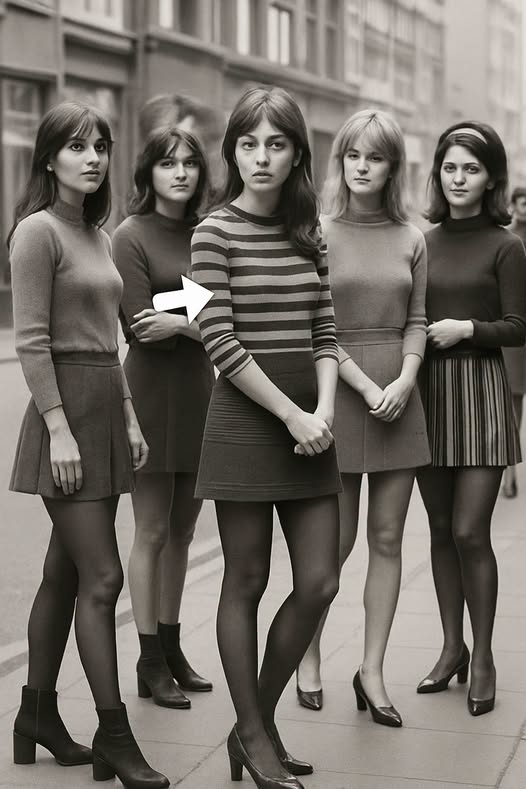
…anatomy, suggesting that the reality captured is not a spontaneous event but a carefully constructed fiction. This phenomenon, where a single individual appears as multiple distinct entities within the same frame, serves as a masterclass in early photographic manipulation. Long before the advent of digital software, photographers relied on mechanical ingenuity and rigorous choreography to achieve these results. The effect is achieved through manual composite photography techniques, which required the subject to move across the frame while the camera remained fixed, effectively layering multiple exposures onto a single plate. This process demanded an extraordinary level of patience and mathematical foresight. The photographer had to choreograph the subject’s movements with surgical precision, ensuring that each position was distinct yet compositionally balanced. By masking parts of the lens or the negative during subsequent exposures, the artist could seamlessly blend these individual captures into a unified whole. It was a labor-intensive endeavor that turned the camera from a mere recording device into a tool for narrative invention, allowing the artist to bend the viewer’s perception of space and time.
The central theme here is the manipulation of reality, demonstrating that even in the earliest days of the medium, the photograph was never a purely objective document. Instead, it was a malleable canvas where the photographer could impose a curated vision upon the world. The unsettling nature of the image arises from this perfect sameness; we are biologically wired to expect individuality, and when that expectation is systematically subverted, the brain struggles to reconcile the visual data. This technique was often employed to create whimsical or surreal effects, turning a single model into a crowd, or a solitary performer into an entire ensemble. The illusion relies entirely on the photographer’s ability to manage light, focus, and alignment across multiple sessions.
If the lighting shifted even slightly between exposures, the illusion would collapse, revealing the seams of the composite. Therefore, the photographer had to maintain consistent environmental conditions, often working in controlled studio settings to ensure the shadows and highlights remained uniform. This level of technical mastery highlights a fascinating era in visual history where the limitations of equipment were overcome by human ingenuity. The resulting images serve as a testament to the creative spirit that sought to challenge the boundaries of what was considered possible within the frame. By examining these historical artifacts, we gain a deeper appreciation for the evolution of visual storytelling.
We learn that the desire to curate reality is as old as the camera itself, and that the tools we use—whether physical masks or digital layers—are secondary to the intent of the creator. Understanding these techniques allows us to look past the initial shock of the illusion and appreciate the craftsmanship required to bring such a complex vision to life. To replicate these effects today, one does not necessarily need advanced software; the core principles remain rooted in the careful management of light and composition. If you wish to experiment with this technique, start by securing your camera on a tripod to ensure the background remains perfectly static. Use a manual exposure setting to prevent the camera from adjusting its parameters between shots, and carefully map out the positions for your subject to occupy. By maintaining a consistent light source and taking the time to align each movement, you can create your own composite images that honor this rich tradition of photographic art, proving that even the most complex illusions are built upon the solid foundation of careful, deliberate planning and execution. This practice reinforces the idea that the camera is a tool for interpretation rather than just a passive mirror of the world, allowing photographers to explore the limits of human perception through the lens of creative, patient, and highly disciplined manual labor.