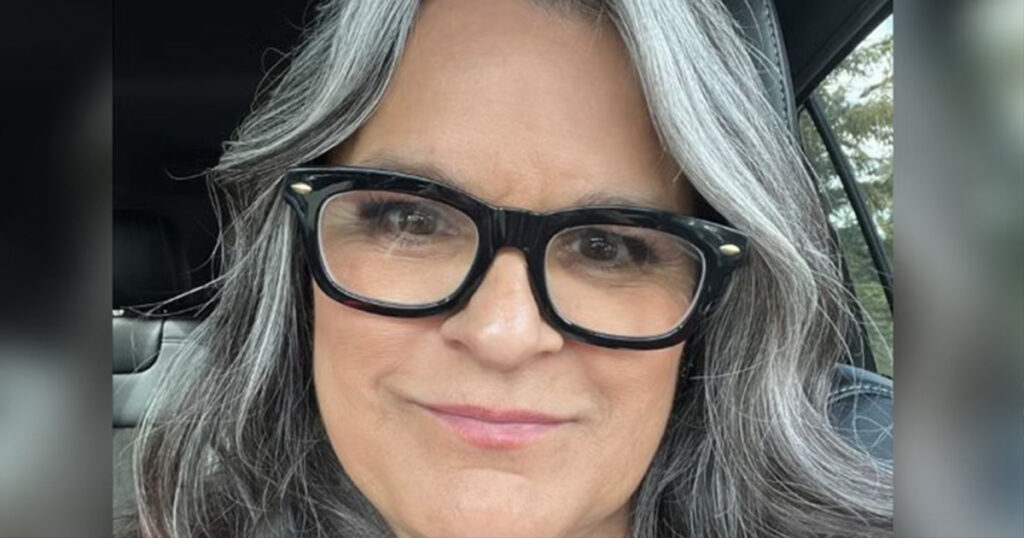
Lightning died following a tragic incident at a rodeo event in Alberta on September 5.
She had been attending the Indian Relay event at the Enoch Rodeo Grounds on the Enoch Cree Nation while working on a documentary about the competition.
According to Alberta RCMP, Lightning was reportedly taking photographs from a designated media area when a horse veered from its course and struck her.
Police responded at approximately 6:40 p.m.
Emergency personnel attempted to save her, but Lightning was pronounced dead at the scene.
The circumstances surrounding the incident are being investigated by Alberta’s workplace-safety regulator.
The Enoch Cree Nation acknowledged the tragedy in a statement, saying the community was “mourning the loss of a community member” following an incident during the Indian Relay event.
The Nation also urged people not to circulate photographs, videos, or speculation surrounding what happened.
For those who loved Lightning, however, the focus quickly turned from the circumstances of her death to the extraordinary life she had lived.
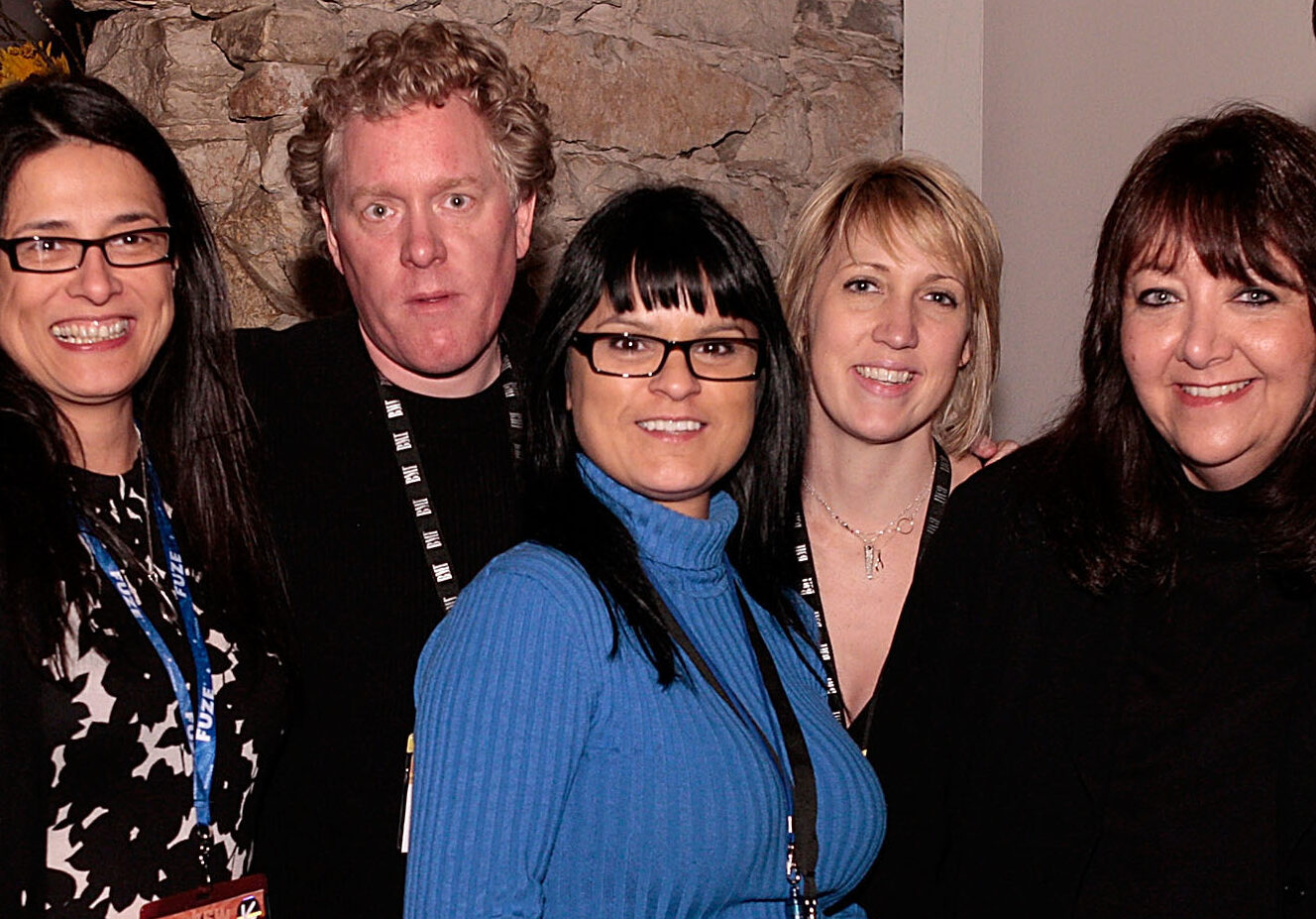
Lightning built a career spanning acting, directing, writing, producing, coaching, and cultural consulting.
She also became a powerful advocate for Indigenous representation at a time when Native voices and perspectives remained significantly underrepresented in mainstream entertainment.
British television audiences may remember Lightning as Lainie Proudfoot in the third series of the popular comedy-drama “Auf Wiedersehen, Pet.”
Her television and film résumé also included appearances in “The West Wing,” “Walker, Texas Ranger,” “Trickster,” “Three Pines,” “Dreamkeeper,” and “Land.”
More recently, Lightning appeared in the 2025 film “Die, My Love,” starring Jennifer Lawrence and Robert Pattinson.
Yet some of her most important work happened behind the camera.
In 2008, Lightning wrote, directed, and starred in “Older Than America,” a supernatural drama exploring the painful legacy surrounding Native American boarding schools.
The film featured a cast that included Adam Beach, Wes Studi, and Bradley Cooper.
The project became a milestone in Lightning’s career and established her as a groundbreaking Indigenous filmmaker.
Her commitment to changing the industry did not end with her own films.
Lightning helped develop organizations and initiatives intended to create opportunities for Indigenous filmmakers and storytellers, including Tribal Alliance Productions and the Native Media Network.
Through those efforts, she became more than a performer.
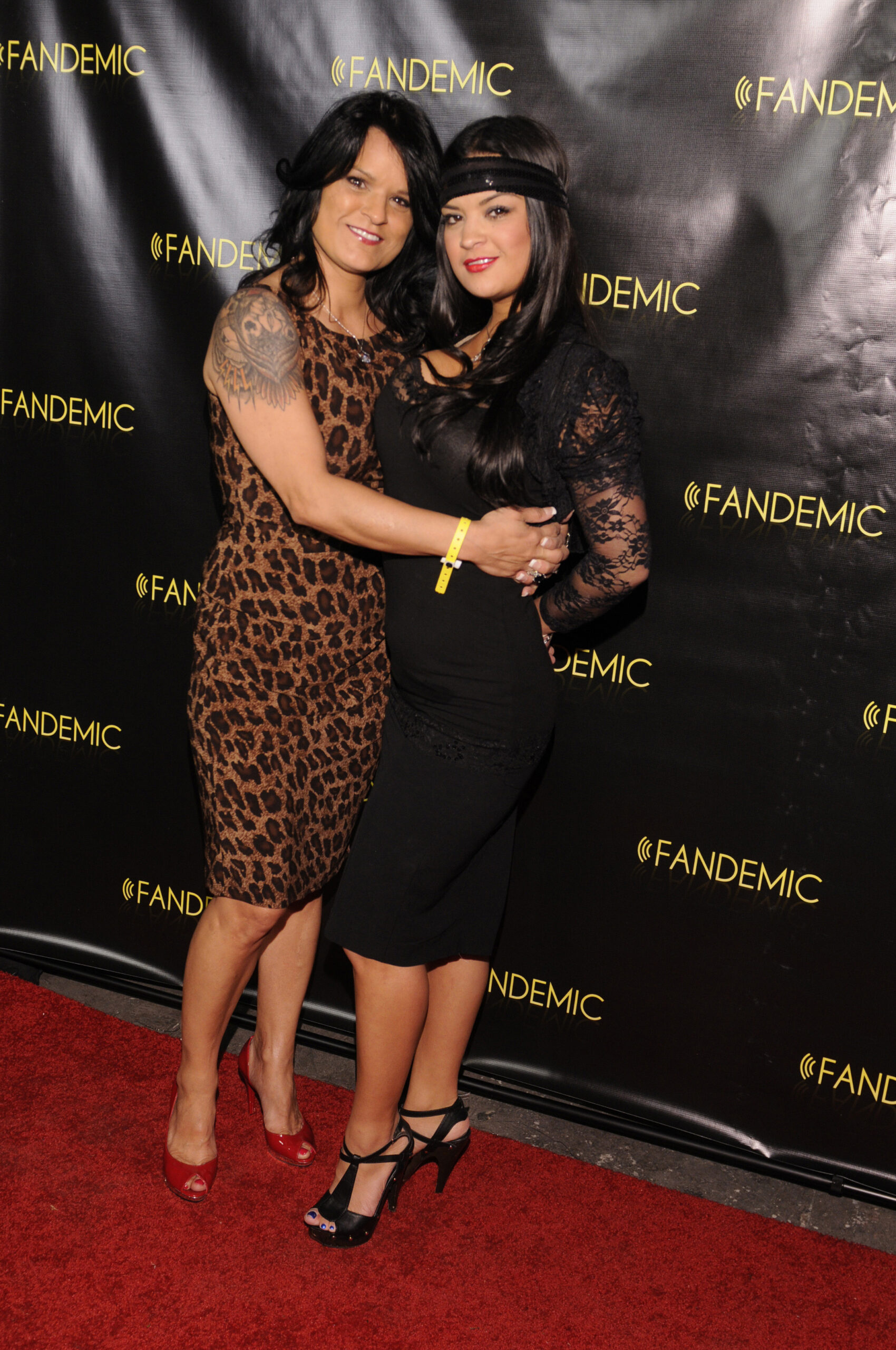
She was a mentor.
An advocate.
A filmmaker determined to make space for voices that had too often been ignored or misrepresented.
Her accomplishments earned recognition from the American Indian Film Festival, and in 2010 she received the White House Project’s Epic Award for emerging artist.
But the most emotional tributes following Lightning’s death came not from the entertainment industry, but from her family.
Her daughter, actress Crystle Lightning, shared her grief publicly following her mother’s death.
“I have lost my mother, my sons’ Kohkum, my matriarch, my role model, my confidant,” she wrote.
Crystle, whose own acting credits include “Yellowstone,” “The Good Doctor,” and “Three Pines,” described herself as “shattered in every way possible.”
She also revealed the painfully ordinary final words she remembered saying to her mother.
“I looked in your eyes and waved and said ‘have fun mama’.”
It was a simple goodbye that took on an entirely different meaning after tragedy struck.
Crystle admitted that she was still struggling to understand what had happened.
“I know eventually I’ll get some clarity and an understanding but right now I have none,” she wrote.
She also expressed the aching desire to have just one more physical moment with her mother.
“I wish I could hold you one more time and touch your beautiful new silver hair.”
In another deeply personal message, she asked Lightning to visit her in her dreams.
“I’m channelling your strength. I need it more than ever in my life,” she wrote.
Tributes also came from people who had shared sets, friendships, and creative experiences with Lightning throughout her career.
Her former “Auf Wiedersehen, Pet” co-star Tim Healy remembered her with a brief but affectionate message.
“RIP Georgina lovely lady and a joy to work with.”
Canadian actress Jessica Matten offered condolences to Crystle and recalled recently spending time with Lightning.
“I was with your mom in July and as always, she was the kindest, warmest human ever,” Matten wrote.
Lily Gladstone also sent a message of support to the grieving family.
“Sending you and your family all my love.”
The outpouring reflected something that could not be measured simply by Lightning’s list of acting credits.
Her career was built around storytelling, but her larger mission involved who was allowed to tell those stories.
For decades, she pushed for Indigenous people to have greater control over how their communities, histories, and experiences appeared onscreen.
She did not limit herself to waiting for Hollywood to provide those opportunities.
She directed.
Produced.
Mentored.
Created organizations.
And helped build pathways for others to follow.
That may ultimately prove to be one of the most important parts of her legacy.
Lightning’s death came suddenly, while she was still doing the kind of work that had defined much of her life — documenting and elevating Indigenous culture and stories.
Her family must now process a loss that arrived without warning.
Her daughter’s final memory — looking into her mother’s eyes, waving, and telling her to “have fun” — is especially heartbreaking because there was no reason to believe it would be goodbye.
But Georgina Lightning leaves behind far more than the tragedy of how she died.
She leaves decades of performances.
Groundbreaking filmmaking.
Indigenous stories she helped bring to audiences.
Artists she encouraged.
Doors she helped open.
And a family that remembers her not simply as an actress or filmmaker, but as a mother, grandmother, matriarch, confidant, and role model.
She is survived by her three children, all of whom have also worked in the acting world.
For audiences, Georgina Lightning may be remembered through the characters she played and the films she helped create.
For those closest to her, however, her absence is far more personal.
And as the tributes continue, one message has become especially clear: the circumstances of Lightning’s death may have shocked people around the world, but they will never define the remarkable life that came before them.
{"post":112434,"page":2,"next":[{"id":112433,"title":"Can You Spot the Hidden Figure in This Eagle Illusion?","url":"https:\/\/new24.info\/112433"},{"id":112429,"title":"Husband Demands Divorce Before Brain Surgery Without Knowing Wife Controls Entire Fortune","url":"https:\/\/new24.info\/112429"},{"id":112425,"title":"Bride Abandons Her Wedding After Shocking Early Morning Demands For Gold","url":"https:\/\/new24.info\/112425"},{"id":112421,"title":"The ultimate visual brain-scan test: left-brained, right-brained ?","url":"https:\/\/new24.info\/112421"},{"id":112418,"title":"After My In-Laws Moved Out, I Found Something Unexpected Under the Guest Bed","url":"https:\/\/new24.info\/112418"},{"id":112416,"title":"Remembering Georgina Lightning: A Trailblazing Indigenous Filmmaker and Advocate","url":"https:\/\/new24.info\/112416"},{"id":112413,"title":"A Medical Failure and a Heartbreaking Accusation Lead to a Miraculous Truth","url":"https:\/\/new24.info\/112413"},{"id":112410,"title":"The Quiet Reclamation of a Life Once Stolen by Those I Raised","url":"https:\/\/new24.info\/112410"},{"id":112407,"title":"Decoding the Snowy Illusion: Why Your Brain Struggles to See the Sleeping Dog","url":"https:\/\/new24.info\/112407"},{"id":112404,"title":"Evaluating Online Health Claims: How to Distinguish Evidence from Sophisticated Digital Marketing Tactics","url":"https:\/\/new24.info\/112404"},{"id":112398,"title":"Betrayed Bride Returns Years Later to Stun Arrogant Ex at Memorial","url":"https:\/\/new24.info\/112398"},{"id":112394,"title":"Hidden Smartphone Discovery Revealed Why My Daughter Was Left Completely Alone","url":"https:\/\/new24.info\/112394"},{"id":112392,"title":"Fifty-Six Years of Silence: A Widow Finally Learns the Truth About Her Husband\u2019s Final Days","url":"https:\/\/new24.info\/112392"},{"id":112389,"title":"Understanding Assassin Bug Bites and Distinguishing Them From Disease-Carrying Triatomine Insects","url":"https:\/\/new24.info\/112389"},{"id":112386,"title":"The Ultrasound Truth That Shattered a False Accusation and Saved a Marriage","url":"https:\/\/new24.info\/112386"},{"id":112383,"title":"He Threw Her Out\u2014Then Learned Who Really Owned Their Family Home","url":"https:\/\/new24.info\/112383"},{"id":112380,"title":"When I Was 9 Months Pregnant, My Husband Refused to Help Me Assemble Our Baby\u2019s Crib \u2013 His Grandpa Taught Him an Instant Lesson He\u2019ll Never Forget","url":"https:\/\/new24.info\/112380"},{"id":112348,"title":"Linda Purl\u0027s Life and Career: From Tokyo\u0027s Imperial Theatre to Happy Days \u2014 and the 3 Words That Changed Everything with Her Co-Star \u2014 Photos","url":"https:\/\/new24.info\/112348"},{"id":112343,"title":"Overnight Orange Roll Casserole","url":"https:\/\/new24.info\/112343"},{"id":112340,"title":"Impossible Taco Pie: The Easy Cheesy Dinner That Practically Makes Itself","url":"https:\/\/new24.info\/112340"}]}