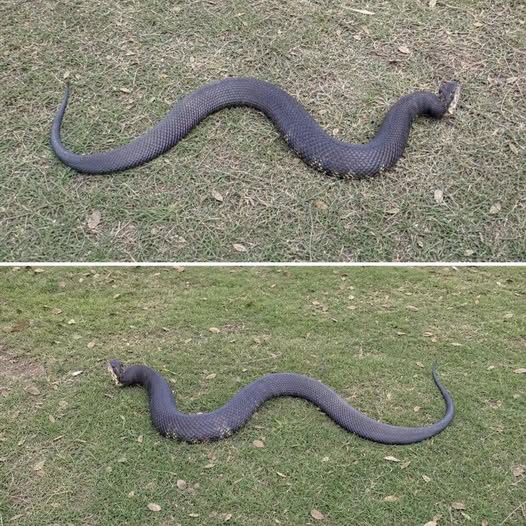
The most important takeaway is that copperheads typically prefer to avoid human contact entirely. They are not aggressive by nature and will generally remain still or attempt to retreat if they feel undisturbed. Most negative interactions occur only when a person accidentally gets too close or surprises the animal. If you spot a snake, the safest course of action is to maintain a significant distance and calmly move away. Never attempt to approach, touch, or relocate the animal, as respecting its space is the best way to prevent a strike. By remaining vigilant, you allow the snake to maintain its natural behavior, which is almost always to avoid conflict rather than engage in it. Understanding these behavioral patterns is essential for any outdoor enthusiast who spends time in regions where these snakes are known to inhabit. By acknowledging that the snake is merely existing in its natural habitat, you can adjust your own behavior to minimize the risk of a defensive reaction from the reptile.
Immediate Steps Following a Potential Bite
If you suspect you have been bitten, the most critical priority is to stay calm. Panic increases your heart rate, which can potentially accelerate the spread of venom throughout your system. Move away from the immediate area of the snake to ensure you are safe from further strikes. Once you have reached a secure location, seek professional medical evaluation immediately. Even if your symptoms appear mild or nonexistent in the initial minutes, you must be evaluated by healthcare professionals, as the physiological effects of a bite can change rapidly and unpredictably over time. Do not wait for symptoms to worsen before seeking help; professional intervention is the only way to ensure your safety. Time is a significant factor in medical outcomes, and delaying your arrival at a hospital to try and assess the severity yourself is a dangerous gamble that you should never take.
Dangerous Myths and Home Remedies
It is vital to understand that many common myths regarding snakebite treatment are not only ineffective but can cause severe harm. You must avoid any attempt to cut the skin, suck out the venom, apply ice, or use tourniquets. These outdated and dangerous practices can damage local tissue, increase the risk of infection, and complicate the medical treatment that doctors will eventually need to provide. Only trained medical personnel in a clinical setting can provide the appropriate care, such as antivenom or supportive therapy, required to manage a bite effectively. Relying on folk remedies or DIY procedures often delays necessary medical treatment and can lead to permanent injury or complications that could have been easily avoided. There is no home-based solution that can replace the specialized care found in a modern emergency department, and attempting to manage the injury yourself often results in more harm than the bite itself.
Proactive Prevention Strategies
Prevention remains the most effective way to protect yourself during outdoor activities. Always wear proper, sturdy footwear that covers your feet and ankles when walking through wooded or rocky terrain. Watch your steps carefully, especially when traversing areas with dense vegetation, piles of logs, or rocky crevices where snakes may be resting. Furthermore, never reach into holes, under rocks, or into thick brush where your hands cannot clearly see what lies ahead. By keeping your hands and feet visible and staying alert to your surroundings, you drastically reduce the likelihood of an accidental encounter. Always scan the ground before stepping, and listen for any movement that might indicate a hidden animal nearby. Being mindful of your placement in the environment is the best tool you have to avoid the surprise factor that usually triggers a snake to defend itself.
Cultivating Awareness in Nature
The lesson here is rooted in the necessity of situational awareness and calm, deliberate behavior. Most wildlife encounters remain entirely harmless when handled with respect and common sense. By keeping a respectful distance, staying alert to the terrain, and prioritizing safety over curiosity, you can ensure that your outdoor experiences remain both enjoyable and secure. Remember that nature is the snake’s home, and by being a cautious visitor, you protect both yourself and the local ecosystem. Maintaining a calm demeanor is not just for the moment of an encounter; it is a mindset that keeps you safe throughout your entire time in the woods. When you choose to be a responsible visitor, you contribute to a safer environment for everyone.
Evidence-Based Conclusion
Medical consensus is clear: there is no substitute for professional emergency care following a venomous snake bite. The only proven, safe, and effective path is to remain calm, avoid all home remedies, and seek immediate transport to a hospital. By following these evidence-based guidelines and practicing consistent preventative measures, you minimize the risks associated with wilderness exploration and ensure that you are prepared to respond appropriately should an unexpected encounter occur. Prioritize your safety by relying solely on professional medical intervention.