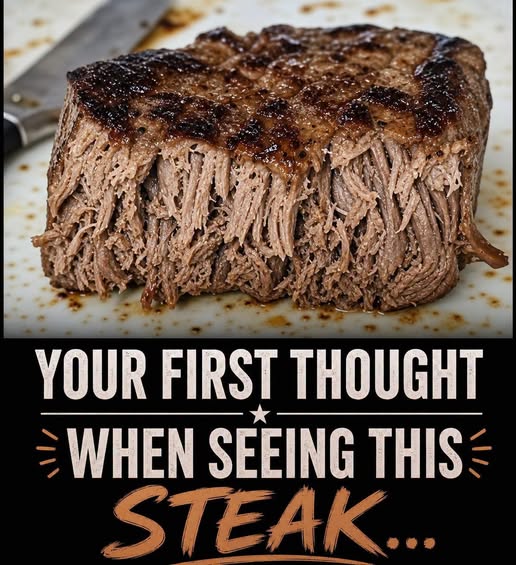
…gone, replaced by a tough or gray piece of meat that fails to live up to its potential. Achieving restaurant-quality results at home is not a matter of secret ingredients or expensive equipment; it is a matter of understanding the fundamental physics of heat and the biology of the muscle. By respecting the process from the moment you select your cut to the final slice on your cutting board, you can transform a simple dinner into a memorable event.
The journey begins at the butcher counter. Selecting the right cut is the most important decision you will make. A ribeye is prized for its intense marbling—the intramuscular fat that renders during cooking to provide unparalleled richness and moisture. If you prefer a balance between tenderness and a robust, beefy flavor, the New York strip is an excellent choice. For those who prioritize a melt-in-your-mouth texture above all else, the tenderloin is unmatched, while a well-sourced sirloin offers a fantastic, budget-friendly option that packs plenty of flavor if handled with care.
When selecting your steak, pay close attention to the marbling. Those fine, white flecks of fat are not just aesthetic; they are the primary carriers of flavor. Avoid cuts that look too lean, as they will likely dry out during the high-heat cooking process. Once you have brought your steak home, the preparation phase is critical. Many home cooks make the mistake of placing a cold, wet steak directly into a hot pan. Moisture is the enemy of a good crust. Before you even think about seasoning, pat the surface of the meat thoroughly dry with paper towels.
A dry surface is essential for the Maillard reaction, the chemical process that occurs when amino acids and reducing sugars in the meat react under high heat to create complex, savory compounds. If the surface is damp, the energy of the pan is wasted on evaporating that moisture rather than browning the exterior. Once the surface is dry, season it simply. High-quality kosher salt and freshly cracked black pepper are all you need. Do not overcomplicate the flavor profile; the goal is to highlight the natural character of the beef rather than masking it with heavy rubs or sauces.
When it comes to cooking, heat management is your greatest tool. Whether you are using a heavy cast-iron skillet or a charcoal grill, ensure the surface is sufficiently hot before the meat touches it. You are looking for a consistent, deep brown color across the entire face of the steak. Remember that you are not “sealing in juices” by searing; that is a common myth. Instead, you are creating a textured, aromatic crust that provides a delightful contrast to the tender interior. Use a meat thermometer to track your progress accurately. Relying on touch or time is imprecise. Aim for your desired internal temperature—typically 125 degrees Fahrenheit for medium-rare—and pull the steak off the heat just before it hits that mark, as it will continue to cook slightly while it rests.
The resting period is perhaps the most overlooked step in the entire process. After taking the steak off the heat, let it sit undisturbed on a warm plate or a cutting board for at least five to ten minutes. During the high-heat cooking process, the muscle fibers contract and push the juices toward the center of the meat. Resting allows these fibers to relax and the juices to redistribute evenly throughout the steak. If you slice into it too early, you will see all that precious moisture run out onto the board, leaving you with a dry, disappointing bite. Patience here is rewarded with every succulent mouthful.
Finally, the way you slice the steak matters. Always look for the direction of the muscle fibers, known as the grain, and cut perpendicular to them. By slicing against the grain, you physically shorten the long, tough muscle fibers, making each piece significantly more tender and easier to chew. This simple final step ensures that even a modest cut of meat provides a superior eating experience. Pair your steak with simple, fresh sides like roasted vegetables or a crisp salad to keep the focus on the main event. By mastering these core techniques—selecting for marbling, ensuring a dry surface, managing heat for the Maillard reaction, utilizing a thermometer, and respecting the rest—you elevate your home cooking to a professional standard that celebrates the natural beauty of the beef.
In conclusion, the secret to a perfect steak lies in the discipline of your technique rather than the complexity of your recipe. Focus on the quality of your ingredients, maintain a dry surface for optimal crust development, and never rush the resting process. By following these steps, you ensure that every steak you prepare is cooked to its full potential, providing a reliable and satisfying result that honors the craft of cooking.