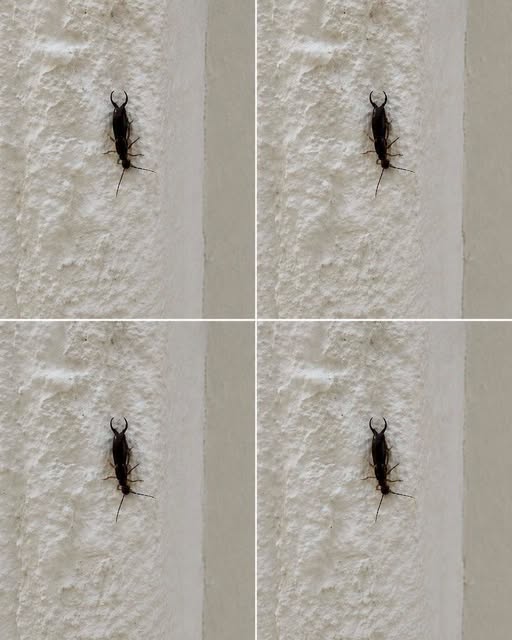
Understanding the specific habits of an insect allows you to address the root cause of its presence rather than merely treating the symptoms. Many common household pests are drawn to specific attractants, including accessible food sources, standing water, and accumulated clutter. By systematically checking areas where insects frequently hide—such as dark corners, basements, kitchens, and spaces near moisture—you can gain a clearer picture of why they have chosen your home as a habitat. This investigative process is essential for long-term success, as removing the attractant is often more effective than attempting to eliminate the insects themselves. When you find an insect, note its size, color, and where you found it, as these details are vital for accurate identification. Knowing the species allows you to research its specific biological requirements, which is the cornerstone of any effective management strategy.
Maintaining a clean living environment is the most effective way to discourage unwanted visitors. Reducing moisture levels is particularly important, as many pests rely on damp conditions to survive. Ensure that you store food in airtight containers, remove household waste regularly, and keep high-traffic areas free of debris. Beyond sanitation, physical exclusion remains a vital defense. Inspect your home for potential entry points, such as gaps around windows, doors, and utility lines, and seal them with appropriate materials like weather stripping or caulk. These small, preventative measures create a barrier that makes your home significantly less inviting to opportunistic insects that are simply looking for a way inside.
A critical mistake many homeowners make is the immediate application of chemical treatments. Avoid using random pesticides without first confirming the identity of the insect. Many over-the-counter products are ineffective for specific species or may be entirely unnecessary if the underlying source of the problem is not addressed. Applying chemicals indiscriminately can also introduce unnecessary toxins into your living space without solving the core issue. If you are unsure of the species, consider using resources from local agricultural extension offices or professional entomology guides to ensure your identification is accurate before taking any further action. Misidentification can lead to wasted time and resources, or worse, the use of a product that does not address the specific biological needs of the pest. Always prioritize physical removal and environmental modification before resorting to chemical interventions.
If you notice multiple insects or persistent signs of activity, it may indicate that a larger infestation is present nearby. In these instances, a single DIY solution is rarely sufficient. When dealing with a significant number of pests, it is advisable to seek professional pest control services. Experts can provide a thorough inspection to locate hidden nests or breeding grounds that are not visible to the average homeowner. They also have access to targeted, safe, and effective methods that address the specific biology of the pest in question, ensuring that the problem is resolved comprehensively rather than temporarily. Professional intervention provides peace of mind and ensures that the root cause is addressed, preventing the cycle of infestation from repeating. This is especially important for structural pests that might cause damage to your property over time.
Remember that a single insect does not automatically mean your home is unsafe or poorly maintained. Insects are a natural part of the environment, and occasional sightings are common, especially during seasonal changes or extreme weather events. However, paying close attention to these early signs allows you to act proactively, protecting your living space from potential damage and preventing minor inconveniences from escalating into larger, more complex issues. By combining diligent observation with consistent maintenance, you can keep your home secure and comfortable. Vigilance is your best tool for long-term protection.
In conclusion, managing household insects is best achieved through a combination of identification, sanitation, and exclusion. Start by observing the insect’s behavior and location, then focus on removing the attractants that brought it inside. Seal entry points to prevent future access and maintain a clean, dry environment. Avoid the temptation of immediate chemical use, and do not hesitate to contact professionals if the situation exceeds your ability to manage it effectively. A consistent, methodical approach is the most reliable strategy for long-term pest prevention and home maintenance.