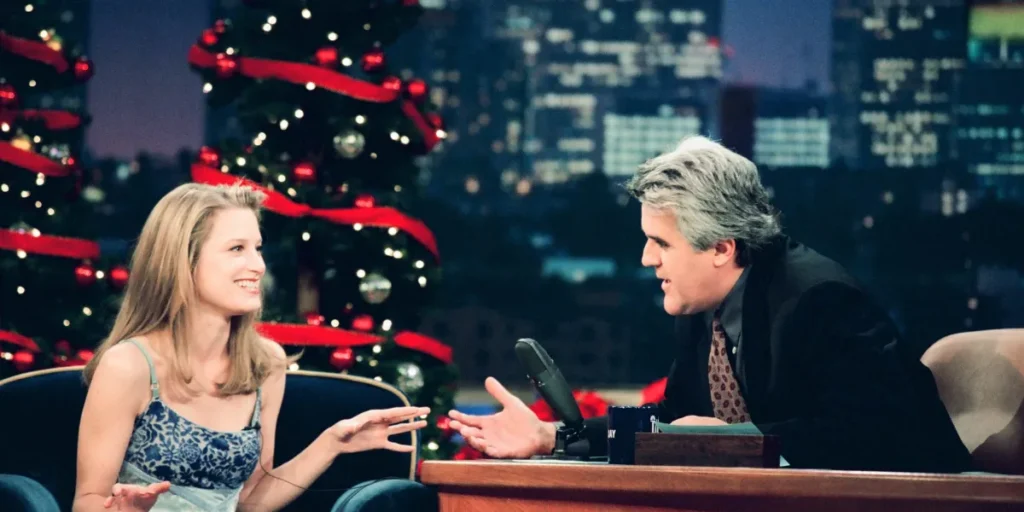
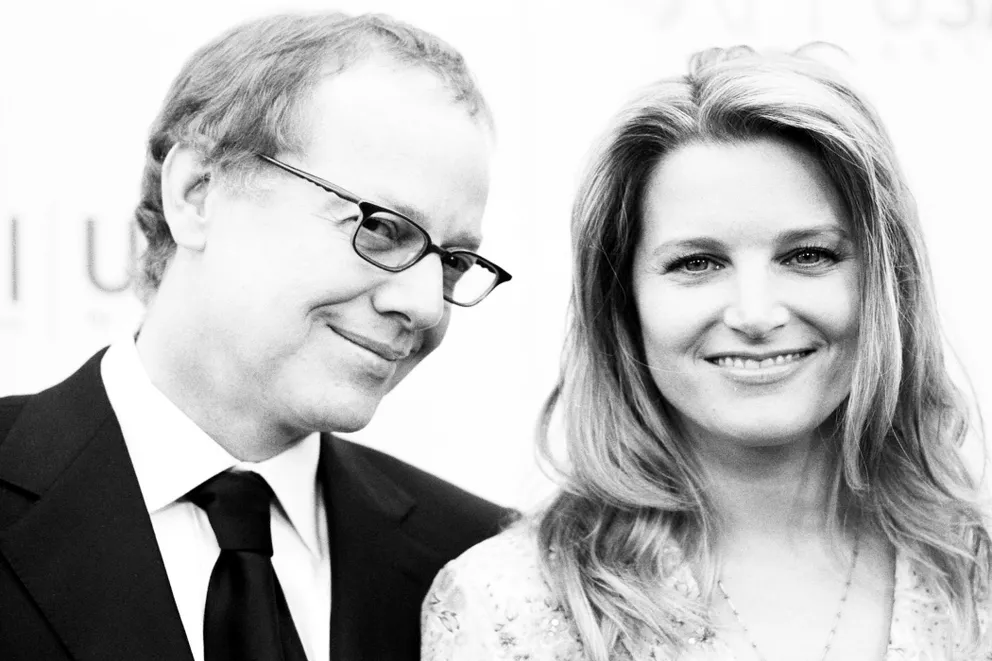
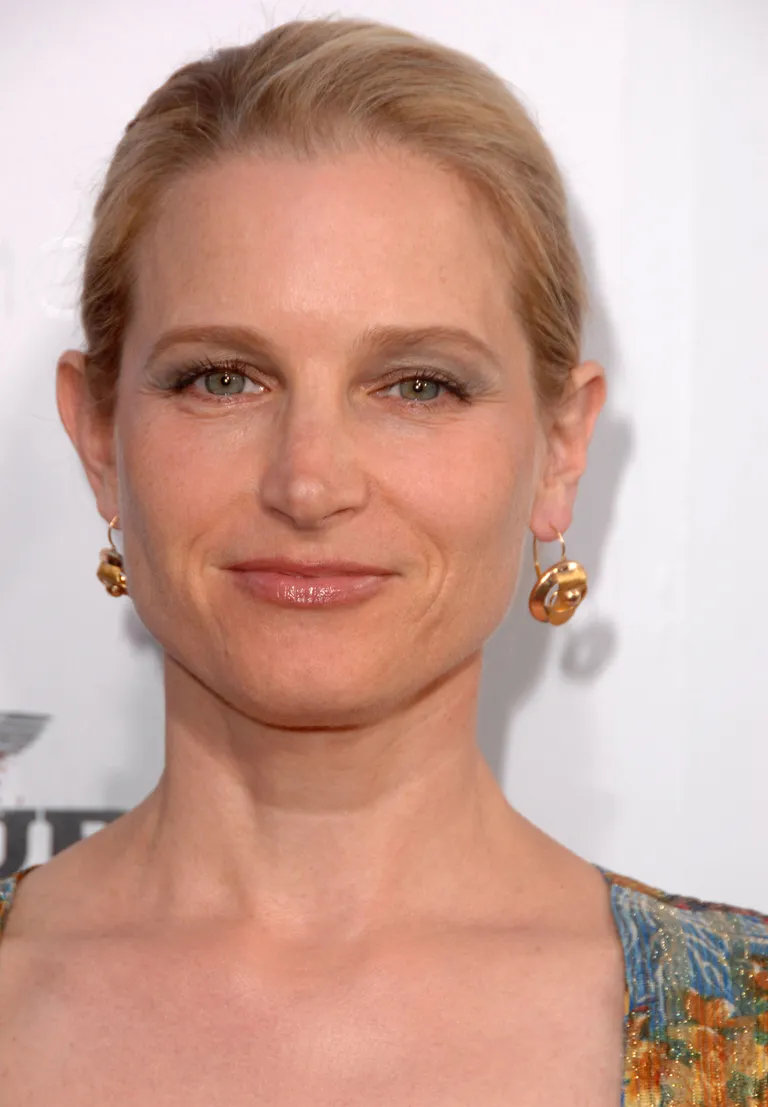
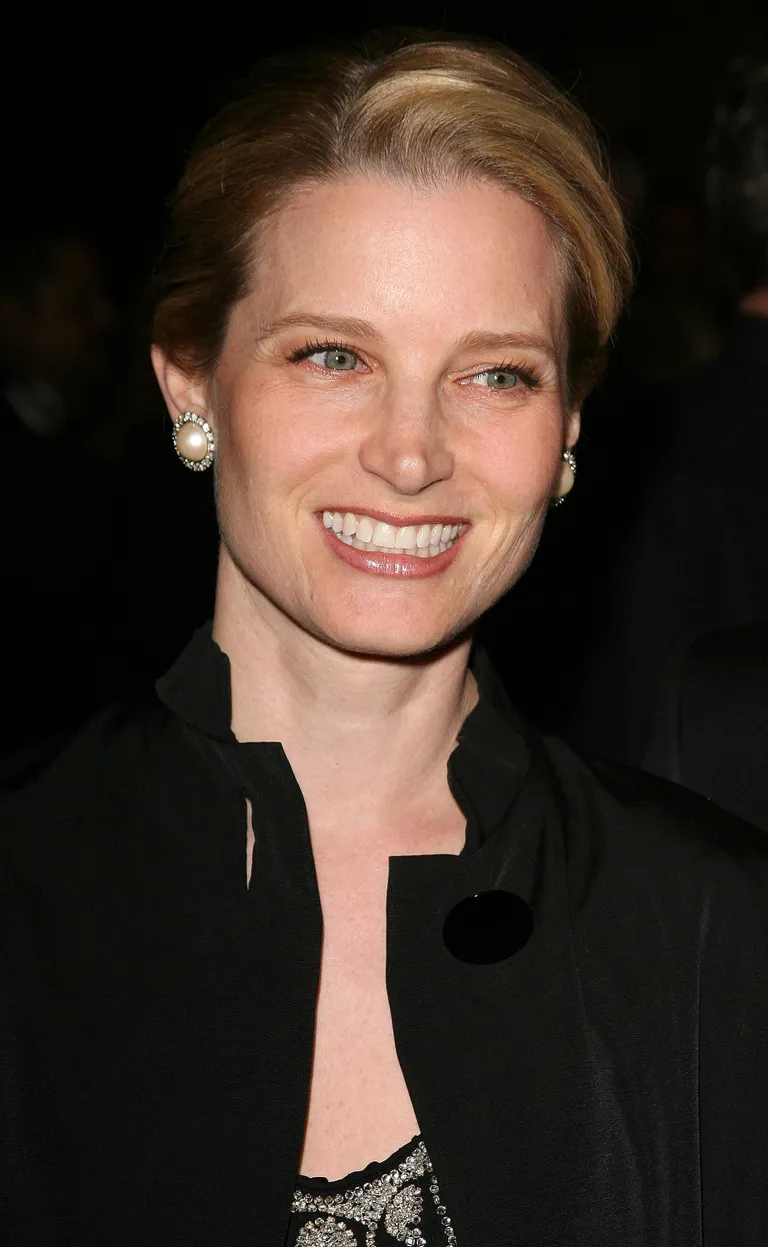
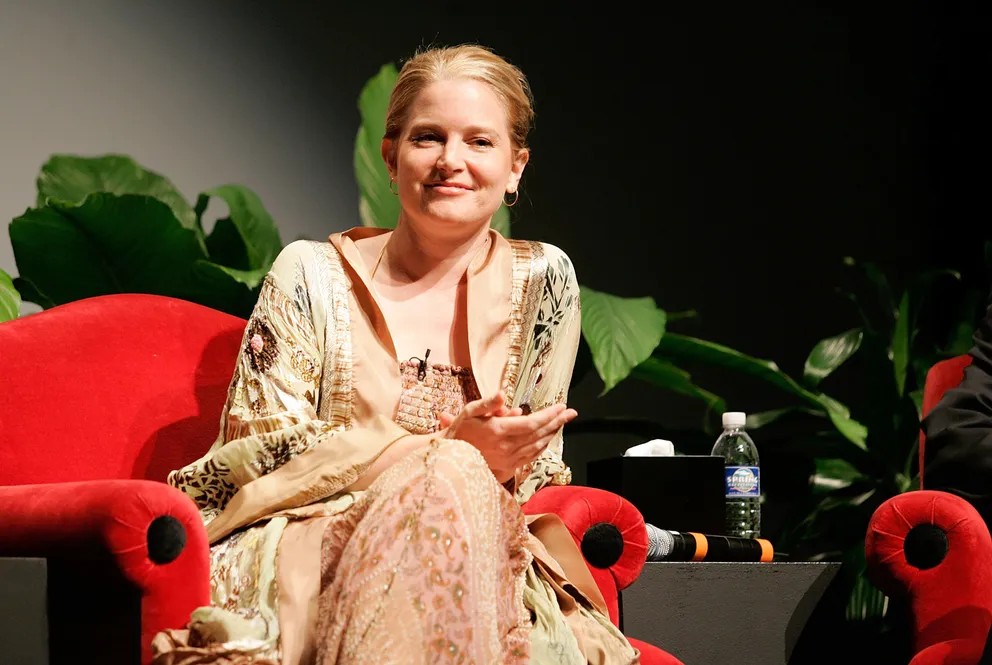
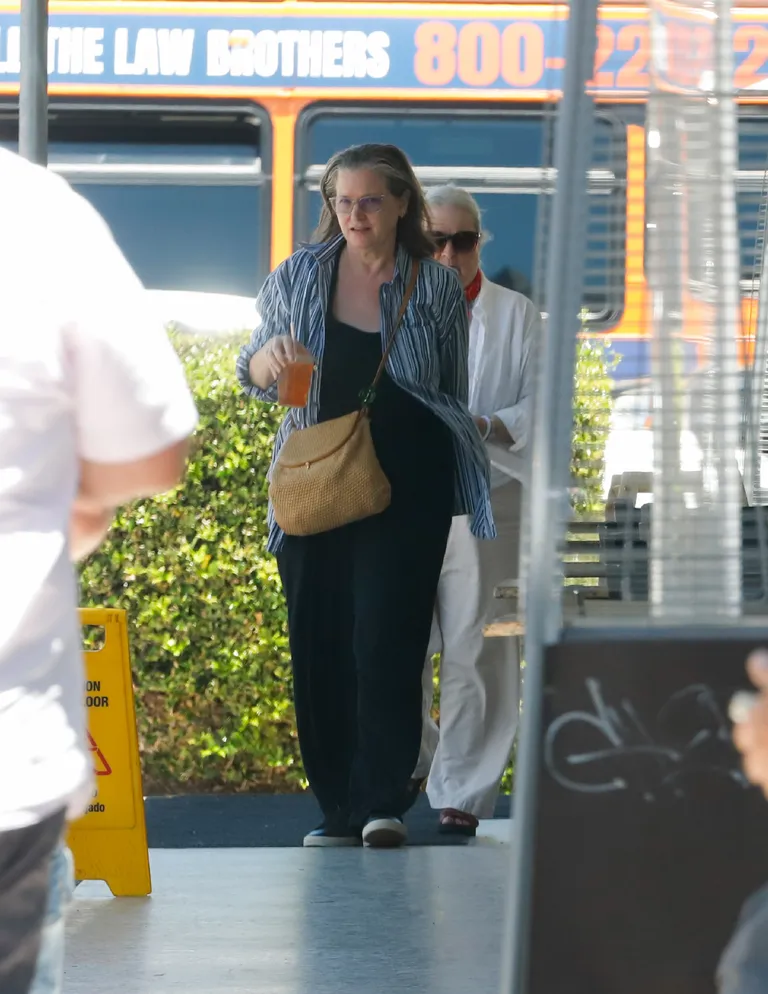
Now, new images from 2026 have brought her back into the spotlight — and the story of why she walked away makes those photographs even more compelling.
Fonda spent only around 15 years as a major Hollywood presence, yet her filmography was remarkably varied.
She moved between thrillers, dramas, romantic films, independent projects and dark comedies with unusual ease.
One role might find her vulnerable and anxious.
The next could make her glamorous, dangerous or unexpectedly funny.
Her family name already carried enormous weight in Hollywood.
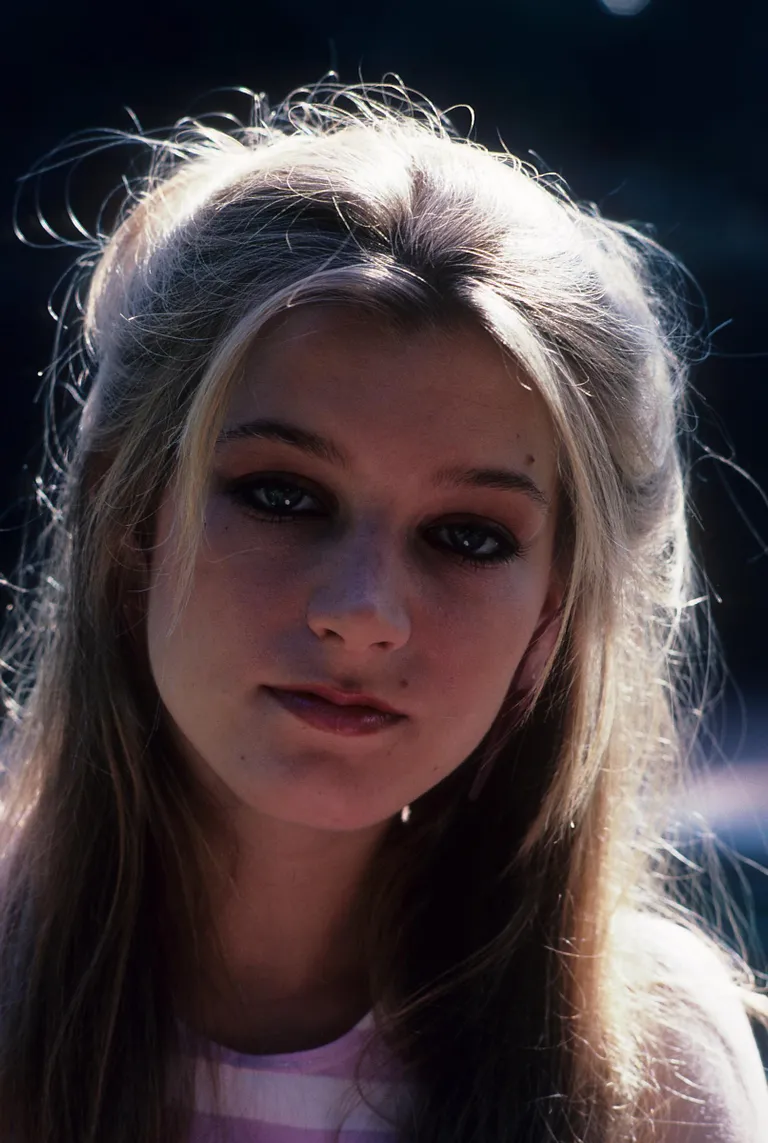
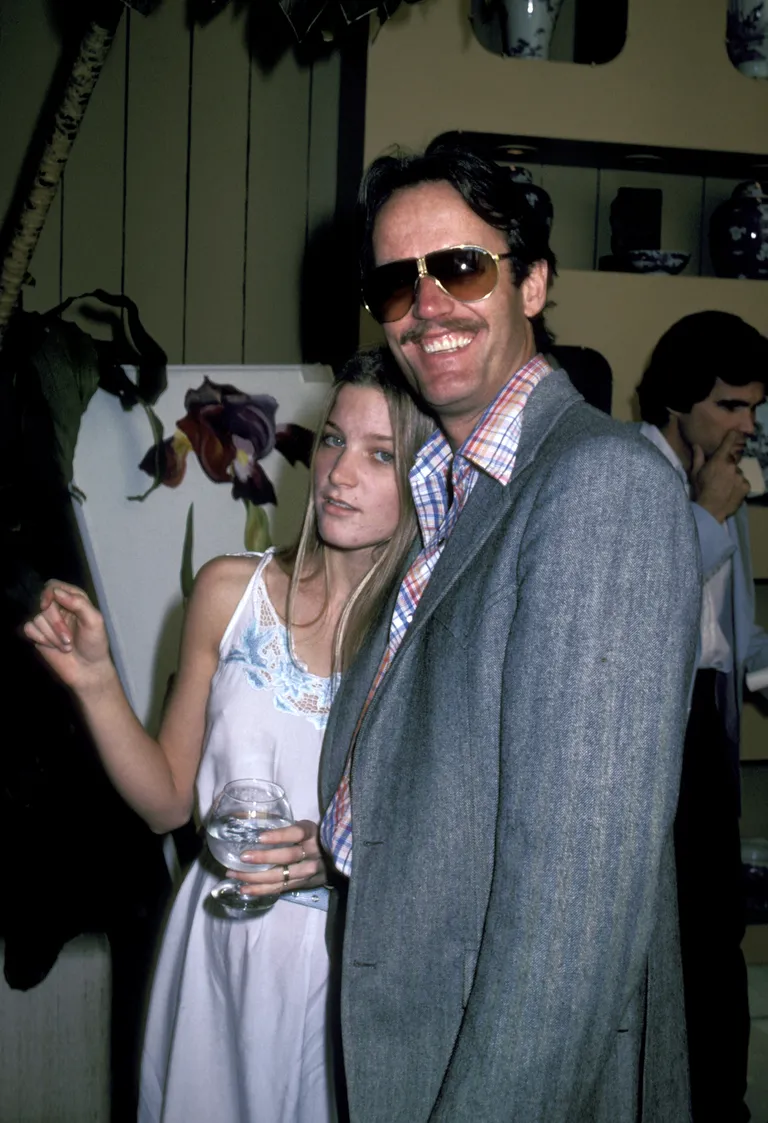
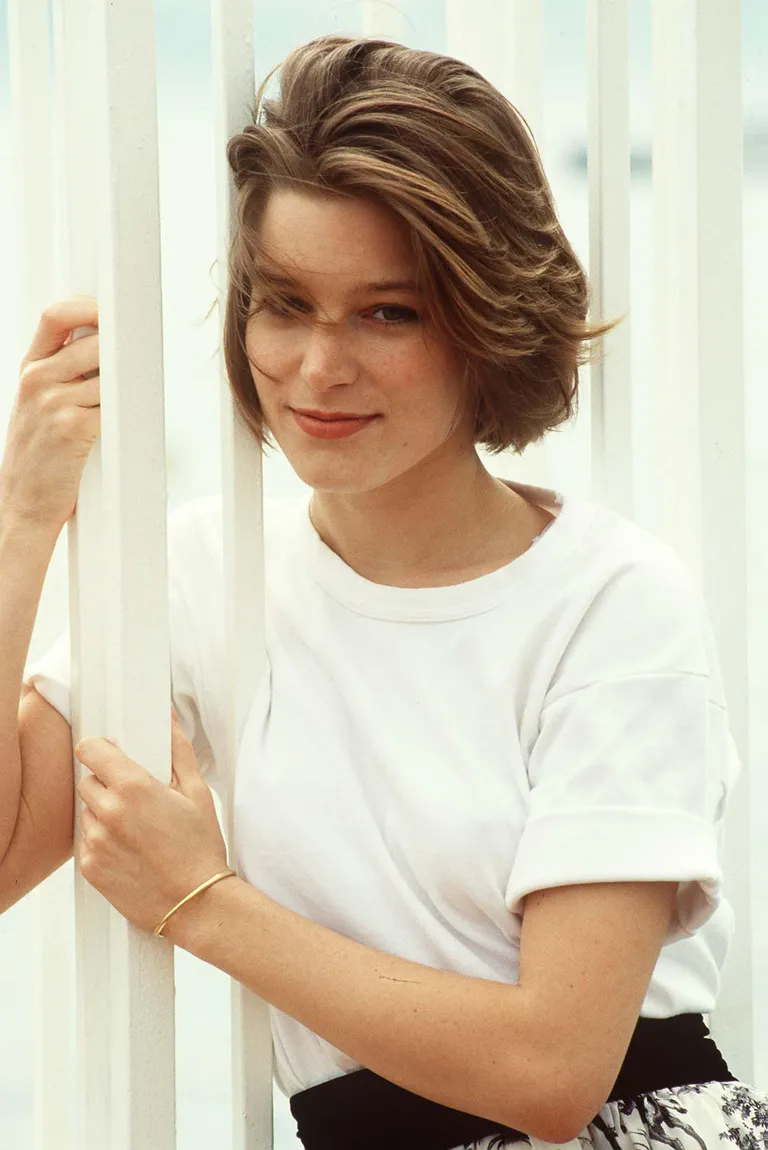
She was the daughter of Peter Fonda, granddaughter of Henry Fonda and niece of Jane Fonda.
But Bridget did not simply rely on that legacy.
She carved out a screen identity of her own.
Her credits included Scandal in 1989, The Godfather Part III in 1990, Singles and Single White Female in 1992, Point of No Return and Little Buddha in 1993, and Quentin Tarantino’s Jackie Brown in 1997.
She followed those with films including A Simple Plan in 1998, Lake Placid in 1999 and Monkeybone in 2001.
For many fans, however, a few performances became especially important in defining what Fonda could do.
In Single White Female, she played a woman whose decision to take in a roommate turns increasingly terrifying.
The film became one of the defining psychological thrillers of the early 1990s and helped cement Fonda’s position as a major leading actress.
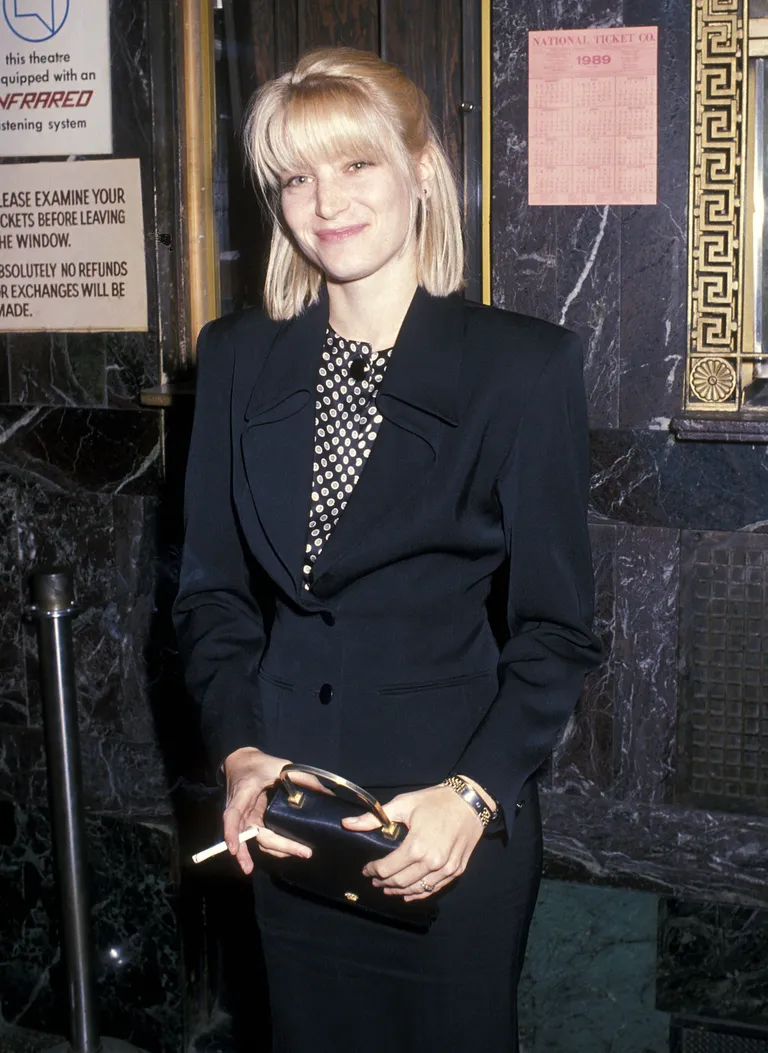
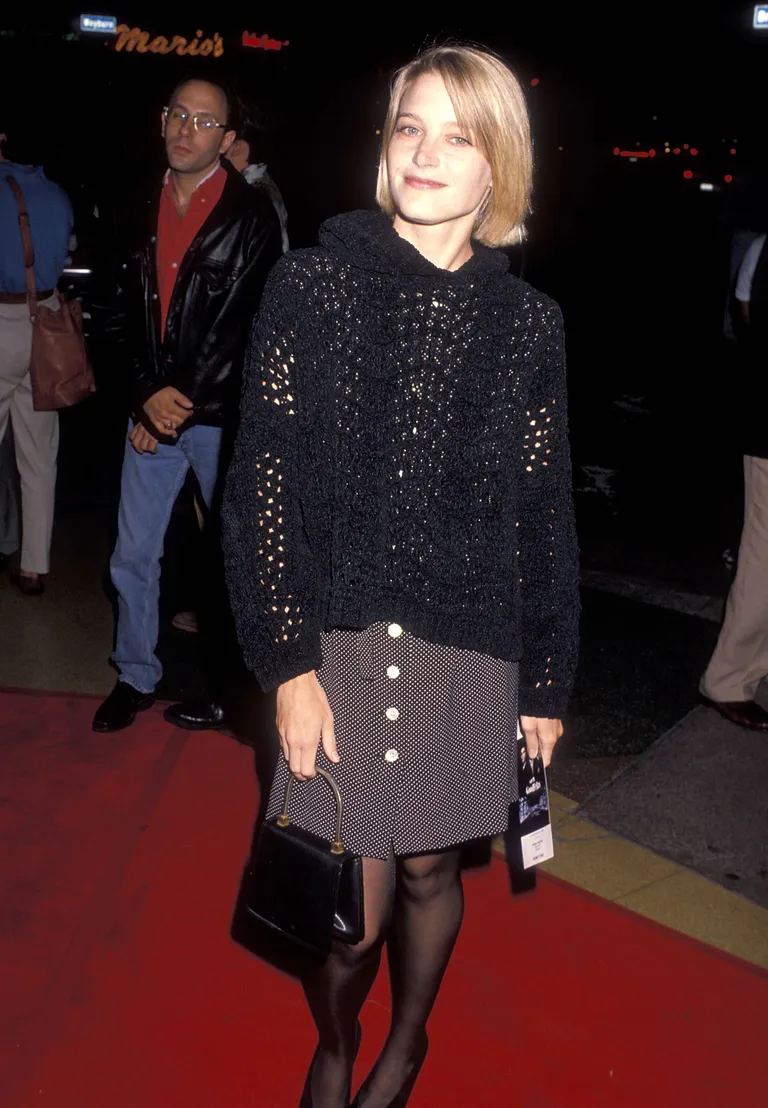
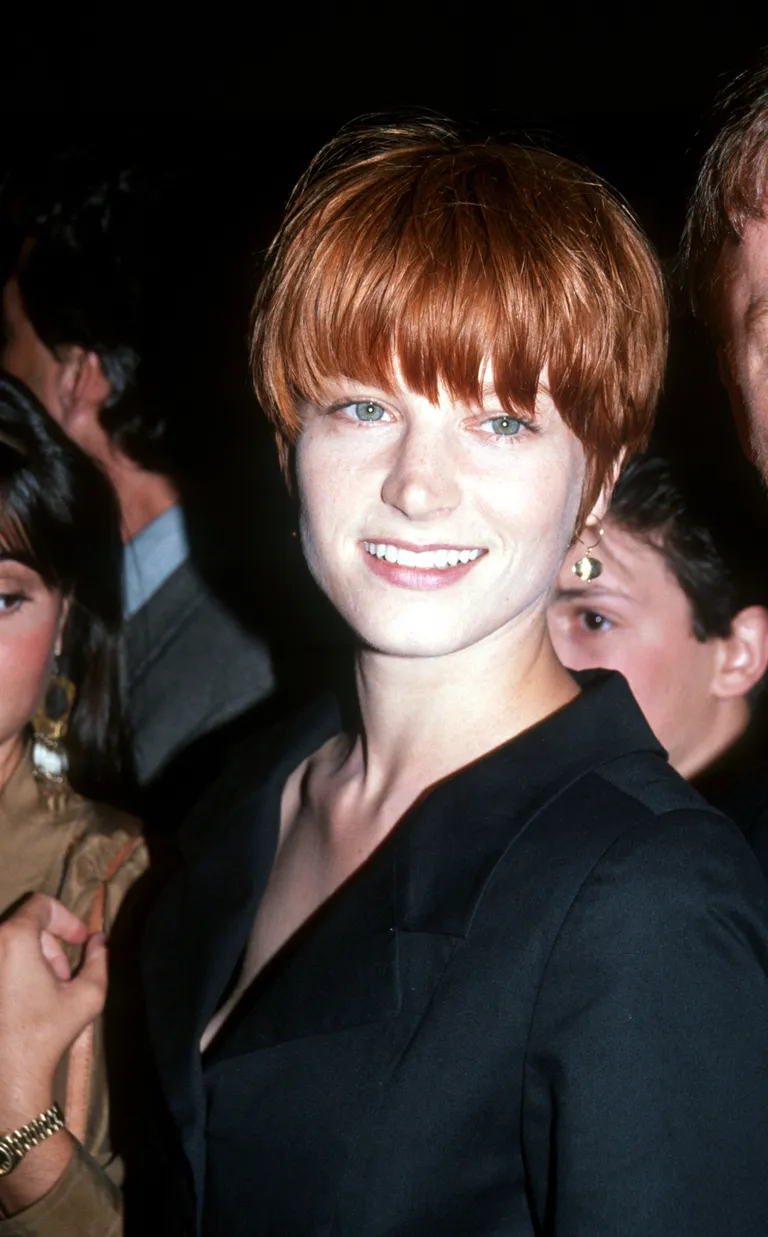
Then came Jackie Brown.
Tarantino cast Fonda as Melanie, a laid-back beach-loving woman whose relaxed exterior hides something sharper underneath.
The director later explained that he believed there was a “wild, cunning side” to Fonda that had not yet been fully explored on screen.
The role allowed her to reveal precisely that.
A year later, A Simple Plan pushed her even further.
Playing Sarah Mitchell, a pregnant woman whose morality becomes increasingly compromised as money and desperation take over, Fonda delivered one of the darkest performances of her career.
By the late 1990s, her work seemed to be becoming more interesting rather than less.
She was no longer simply playing the recognizable leading-lady roles that had helped establish her.
She was taking chances.
She worked with filmmakers including Noah Baumbach, Paul Schrader and Bernardo Bertolucci.
She moved between mainstream Hollywood productions and projects that were harder to categorize.
And then, quite suddenly, it stopped.
There was no long decline.
No string of public failures.
No dramatic announcement that she was quitting the business.
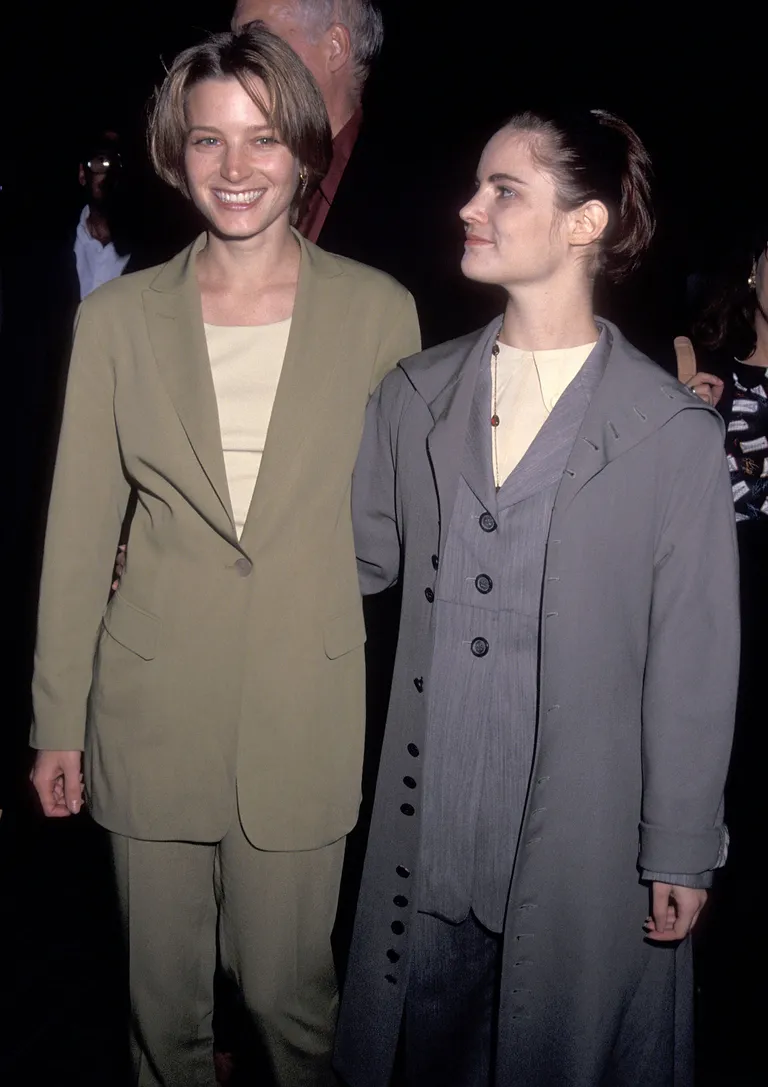
In 2002, Fonda starred in the television adaptation of The Snow Queen.
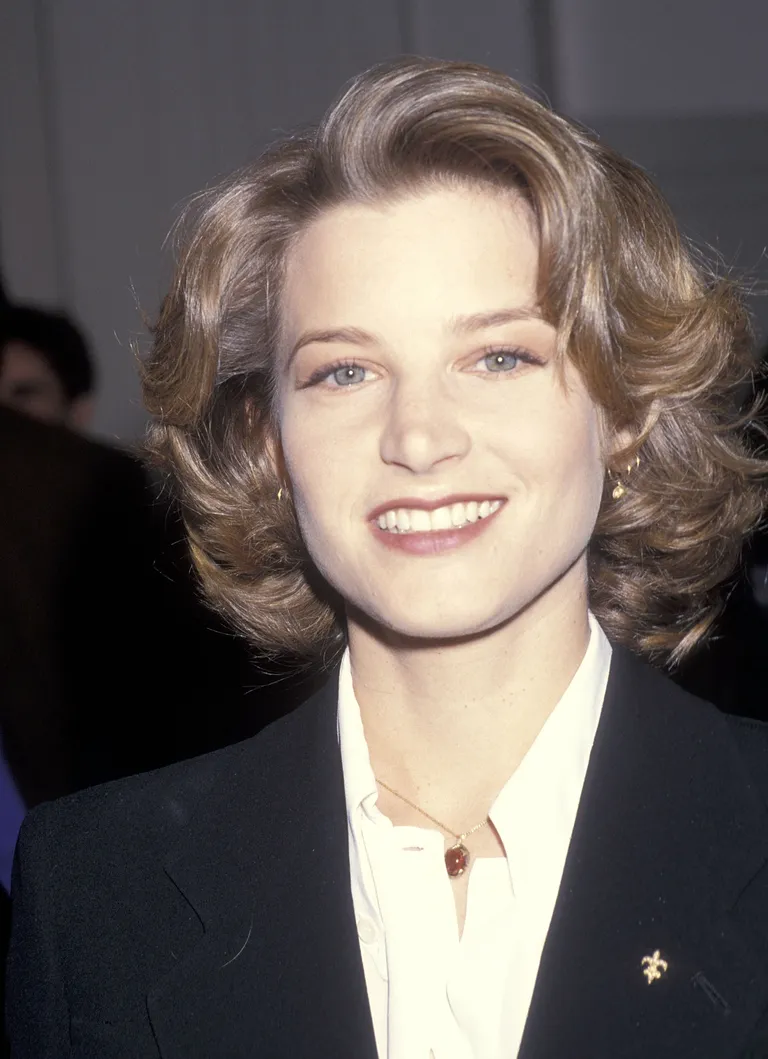
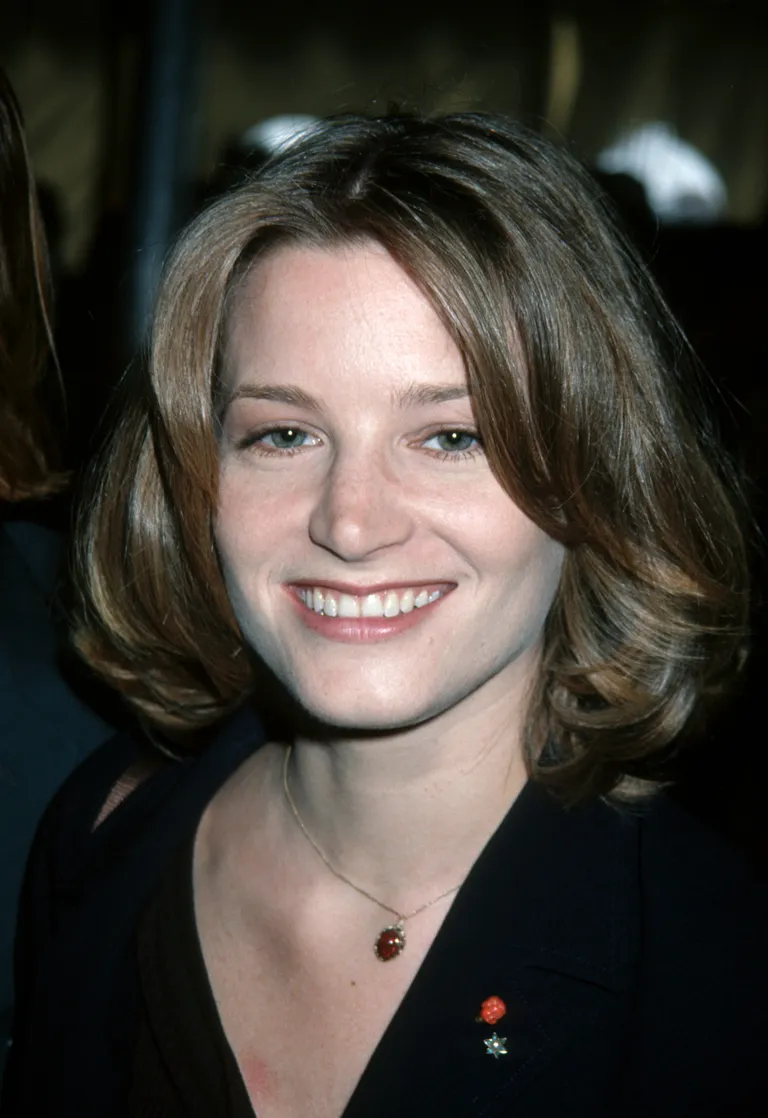
The following year, she was preparing to appear in a recurring role on The Practice.
Then her immediate plans changed dramatically.
In early 2003, Fonda was involved in a serious car accident while driving along California’s Pacific Coast Highway.
Her vehicle reportedly lost control, went over an embankment and rolled downhill.
Despite the terrifying nature of the crash, Fonda escaped with relatively minor injuries.
Reports at the time described her survival as remarkably fortunate.
Her planned role on The Practice was subsequently recast.
Later that year, Fonda married composer Danny Elfman.
By late 2004, the couple announced that they were expecting their first child together.
Their son, Oliver, was born in 2005.
And somewhere during that transition, Fonda’s Hollywood career quietly became part of her past.
She did not immediately disappear from every public event.
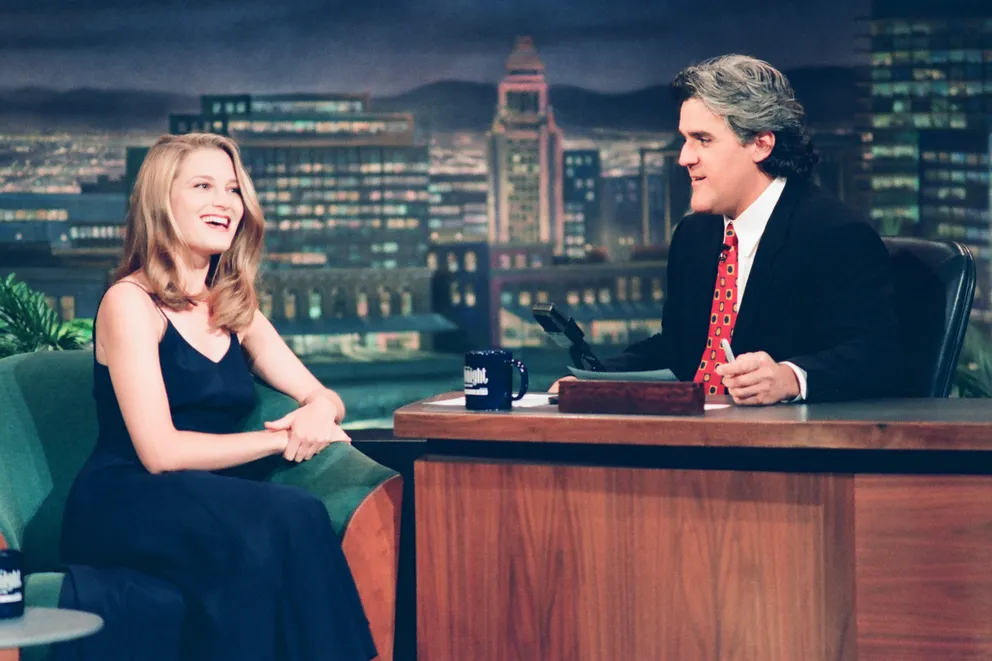
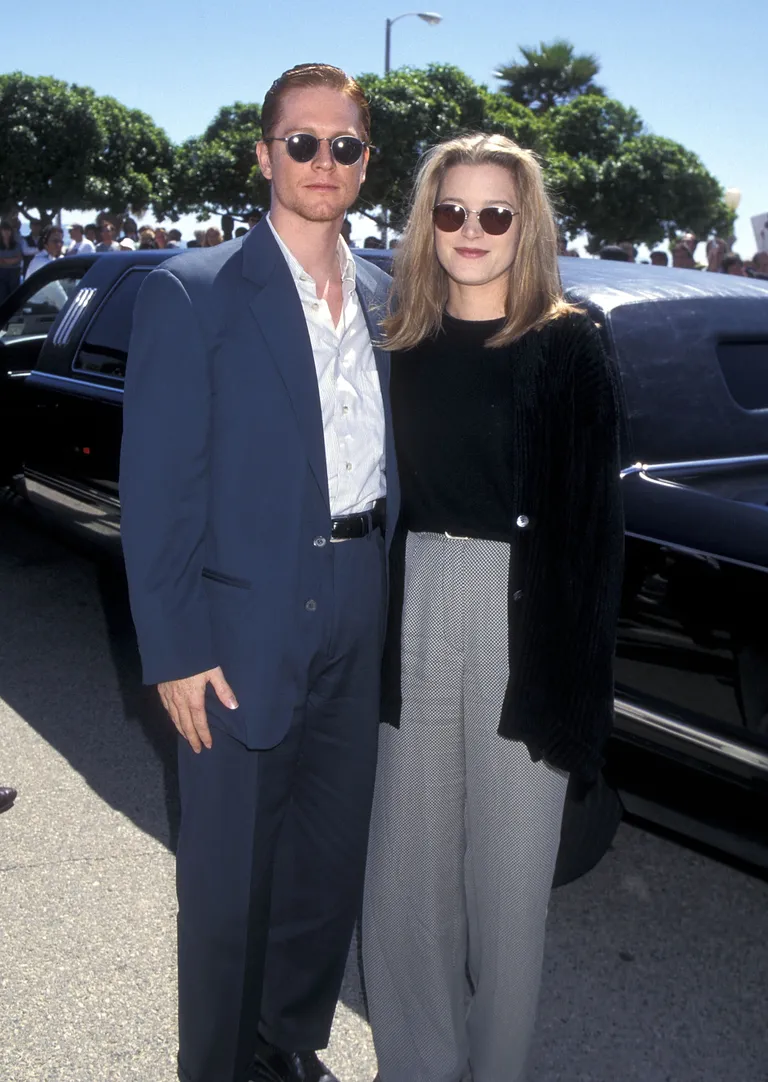
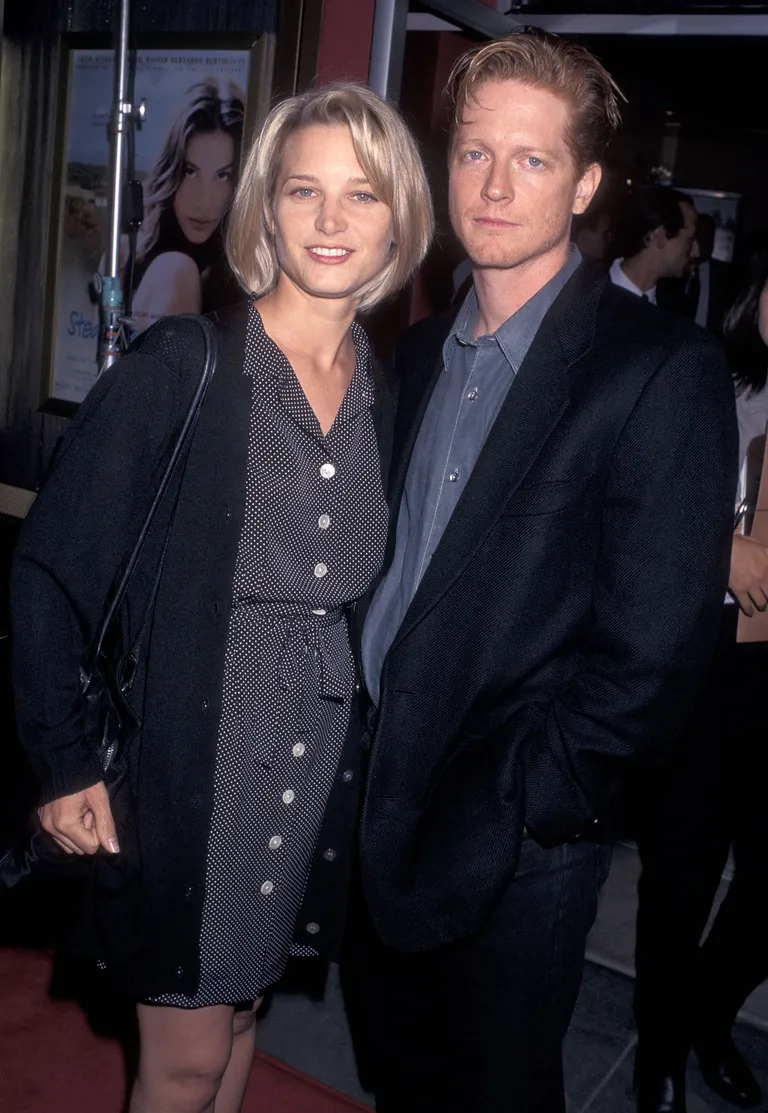
For several years, she still occasionally attended premieres and industry gatherings.
She was photographed at events connected to The Nightmare Before Christmas, appeared at awards ceremonies and attended other Hollywood functions.
But those appearances gradually became fewer.
By 2009, they had become exceptionally rare.
One of her final major public appearances came at the Los Angeles premiere of Quentin Tarantino’s Inglourious Basterds.
After that, Bridget Fonda largely vanished from celebrity culture.
That disappearance felt especially striking because her career had not obviously run out of momentum.
Her 2001 action film Kiss of the Dragon, alongside Jet Li, had been commercially successful.
She was still recognizable.
She still had opportunities.
Yet instead of attempting another comeback or searching for the next role, she chose something entirely different.
Private life.
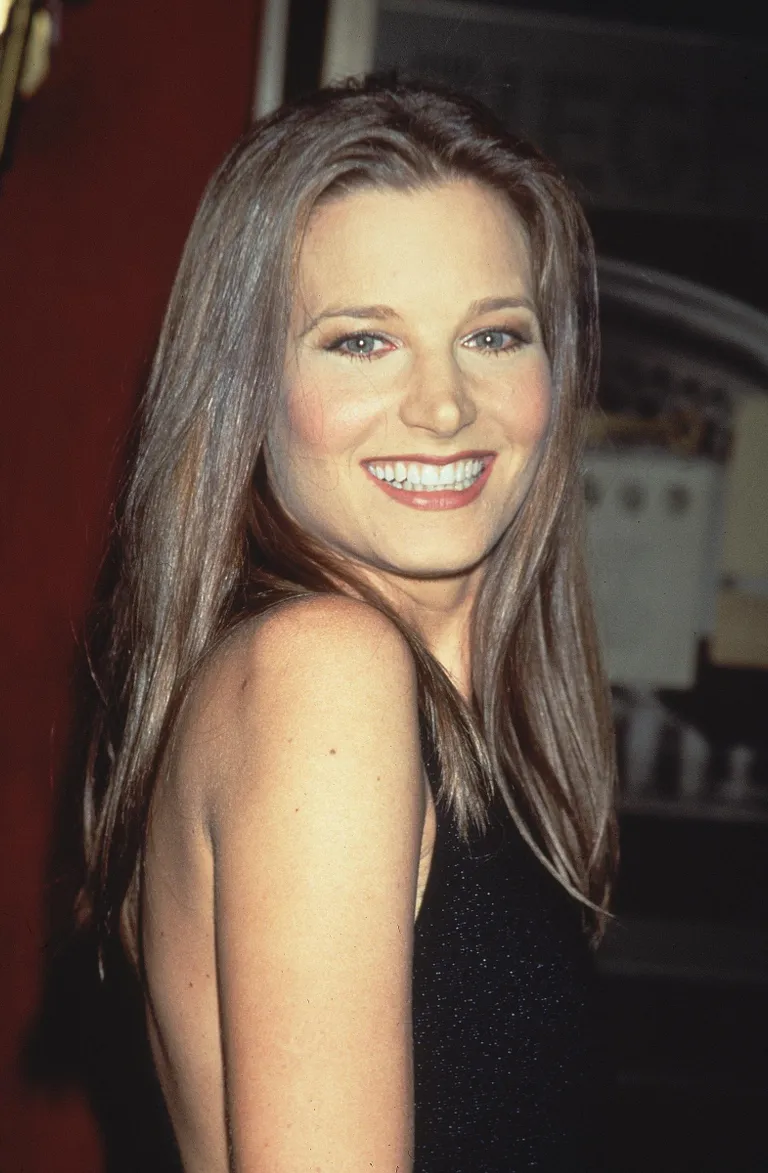
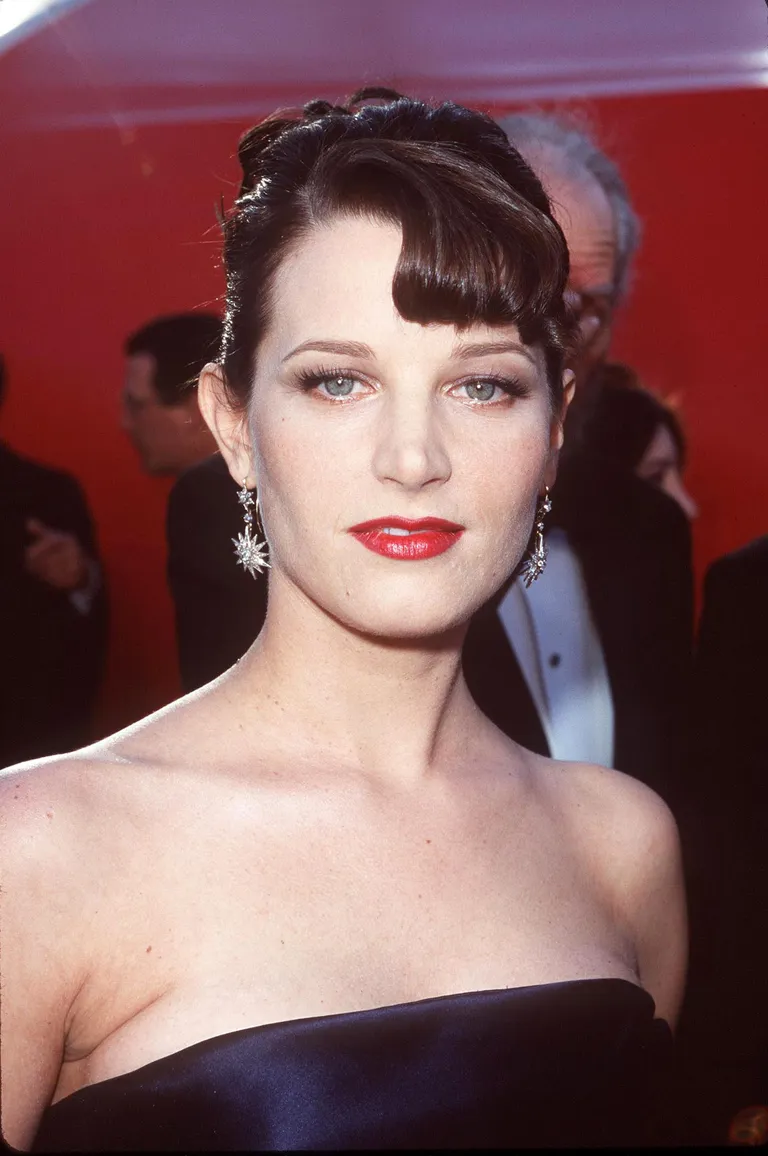
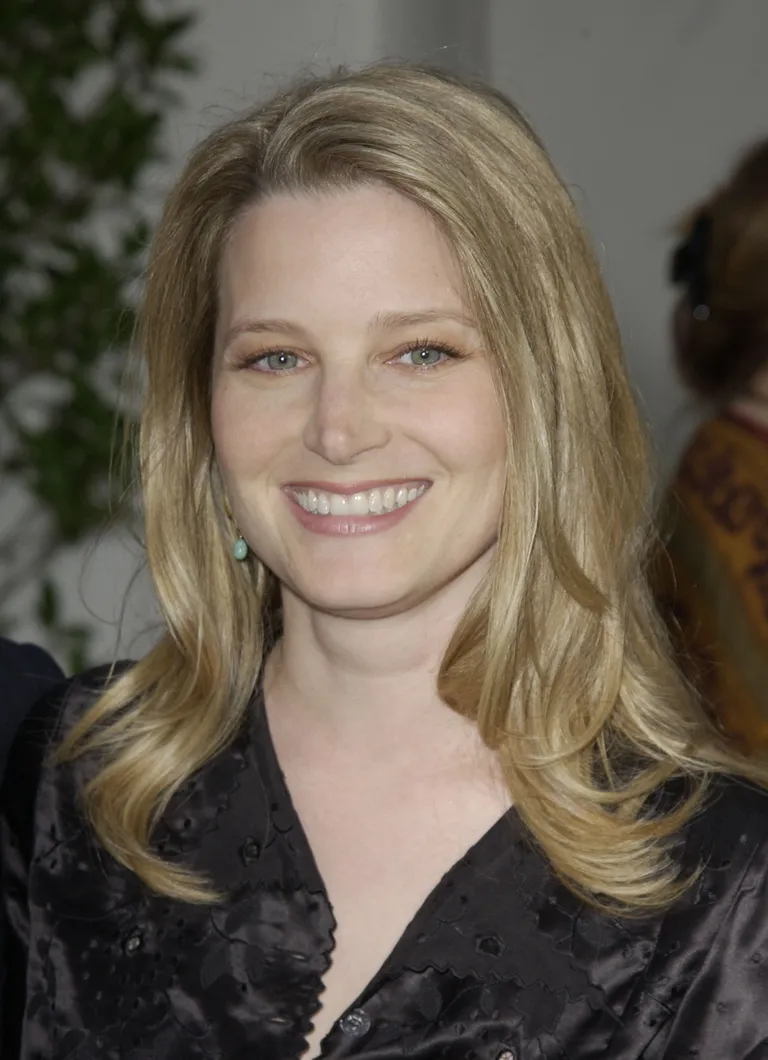
Looking back at old interviews, there were signs that Hollywood may never have felt as comfortable to Fonda as it appeared from the outside.
In 2000, she spoke candidly about struggling with her own expectations.
“What is it with my low self-esteem?” she asked.
She admitted that despite having a career many actors would have envied, she constantly felt she should be accomplishing more.
“I’m trying to be happy with my career,” she said. “I think I should give myself a break, but I’ve got this bug that rides me. ‘You should be doing better.’”
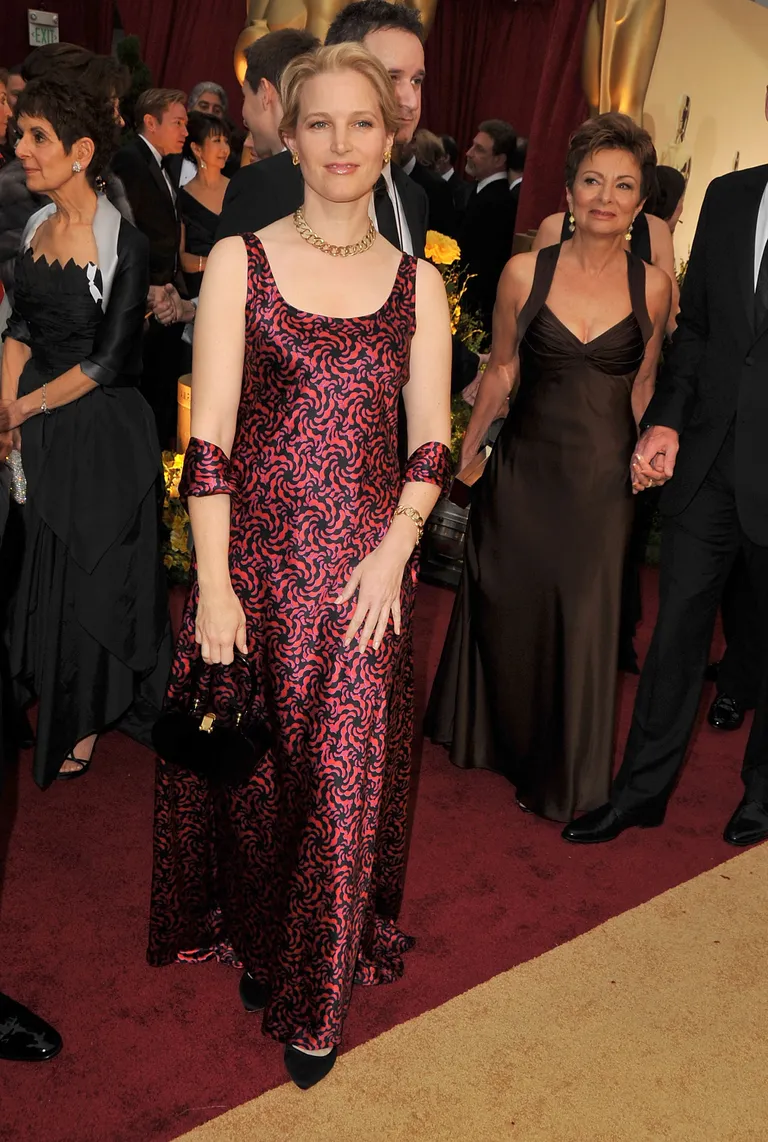
She also described the frustration of imagining a performance one way in her head and then feeling physically unable to reproduce it exactly.
“Every time I work, I’m frustrated with my physical inability to catch up to my mental picture,” she explained.
Those comments offered a revealing contrast to the confident movie star audiences saw on screen.
To viewers, Fonda appeared successful, beautiful and established.
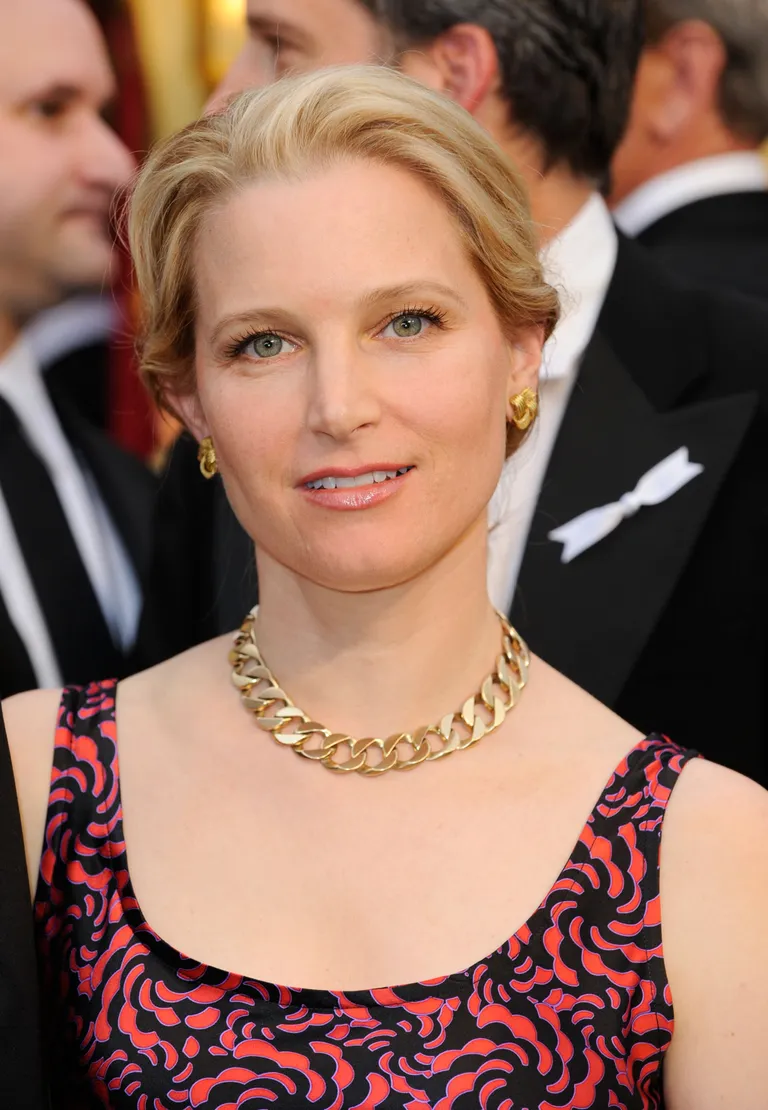
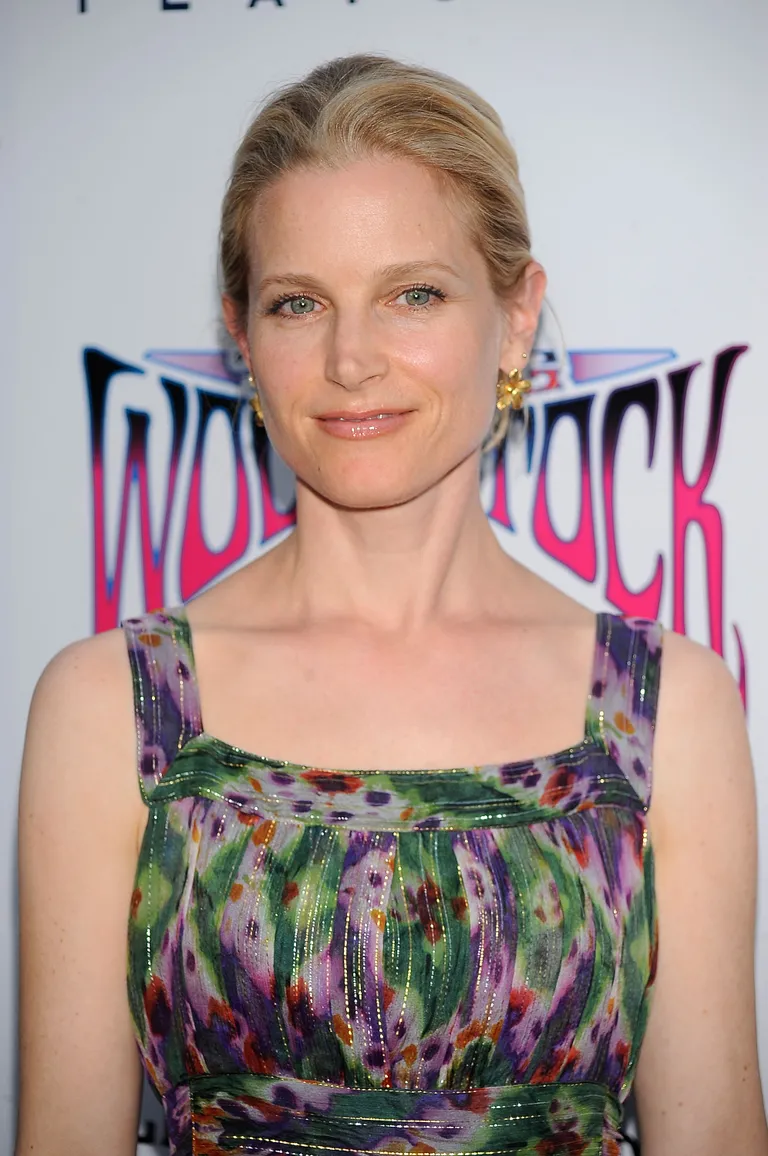
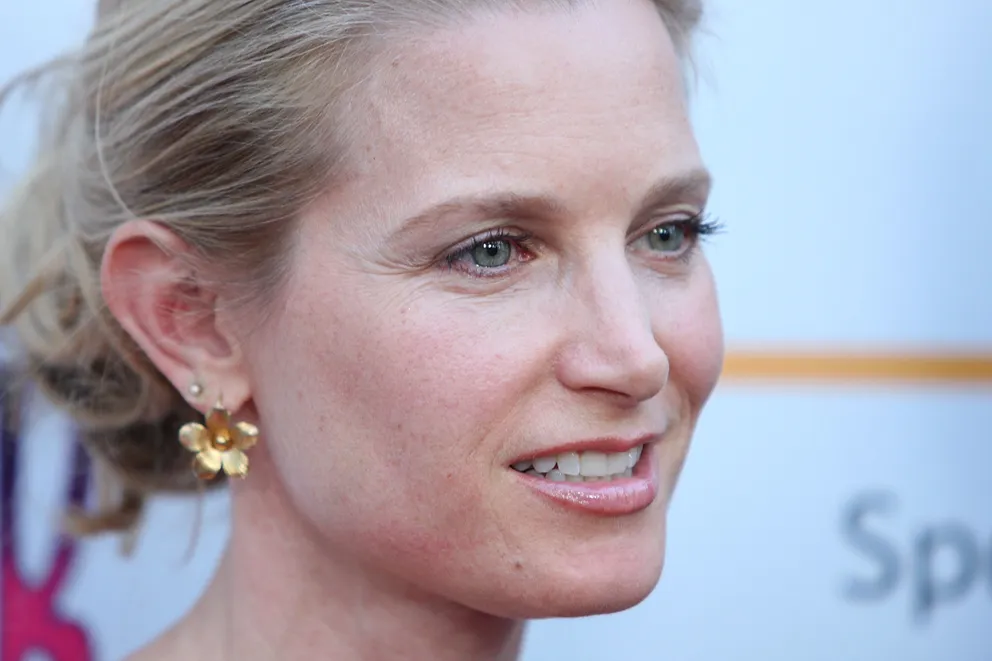
Privately, she seemed to be judging herself far more harshly.
Her famous surname added another layer of pressure.
Being a Fonda meant entering an industry where members of her own family had already created some of cinema’s most enduring work.
Her grandfather Henry starred in films including The Grapes of Wrath.
Her father Peter became permanently associated with Easy Rider.
Her aunt Jane built an extraordinary career that included Coming Home and multiple Academy Awards.
Bridget knew comparisons were inevitable.
In a 1992 interview, she admitted that thinking too much about the family legacy could become overwhelming.
“I try not to think of it because it can weigh on you,” she said.
She remembered experiencing that pressure while she was still in school and eventually deciding she needed to separate herself from it.
Instead, she tried to ask herself a simpler question: what kinds of movies did she personally admire, and what kind of actress did she want to become?
She was proud of her family.
But she wanted her own work to stand independently.
“I’m always hoping that I’ll do something that can stand out the way that the films have, that my dad and my aunt and my grandfather did,” she explained.
She even named some of the landmarks she had in mind.
Maybe, she said, she would someday find her own equivalent of The Grapes of Wrath, Coming Home or Easy Rider.
“I’ve got a ways to go,” she said at the time. “Hopefully, I’ll be working for a long time, and I’ll find it somewhere — the film that really changes somebody’s life.”
Those words feel particularly poignant now.
At the time, Fonda clearly imagined decades of acting still ahead of her.
Instead, within roughly another decade, she would be almost completely gone from Hollywood.
Even her approach to individual roles showed how seriously she took acting.
While discussing Single White Female, Fonda admitted the production had taken an emotional toll.
“It was kind of hard; it was scary,” she said. “It was a tough summer emotionally.”
She described the experience as emotionally draining because the material forced her to confront fear for an extended period.
Still, she felt she understood the character from the beginning.
The same interview produced an unexpectedly strange real-life story.
Asked whether she had ever encountered anyone resembling the dangerous roommate in the movie, Fonda initially explained that she had been fortunate.
Her own roommate had been a childhood best friend whom she trusted completely.
But she then revealed that someone she knew had once impersonated her.
According to Fonda, she was unexpectedly summoned to court over a traffic violation she knew nothing about.
When she examined the paperwork, she realized the description did not match her.
The woman described had brown hair and brown eyes.
Even stranger, Fonda recognized the handwriting on the signature.
Someone she knew had apparently given Bridget Fonda’s identity.
She ultimately obtained a warrant in connection with the incident but said she did not aggressively pursue the woman because she did not believe she represented a serious danger.
The story sounded almost like something taken from one of Fonda’s own thrillers.
That same period also revealed another very ordinary side of the actress.
Asked about computers because they played a role in Single White Female, Fonda admitted that technology intimidated her.
“I know very little about computers,” she said.
She described them as fascinating but also slightly frightening, especially the idea of computer viruses.
She joked that machines sometimes seemed to have minds of their own.
Her knowledge, she said, was essentially limited to writing and printing an essay.
It was a small admission, but one that made the glamorous star seem far more relatable.
Another revealing moment came after Fonda experienced a difficult emotional period in 1997.
She later described going through what she called an “outrageous depression” during an illness.
At one point, even the brightness of the daylight outside her home overwhelmed her emotionally.
She turned to her mother for help.
Her mother gave her advice that, in retrospect, seems almost prophetic.
“Oh god, Bridget, you get that from me,” she told her.
Then came the lesson.
“It’s that thing that happens to you at a certain time in life, when you realise that life isn’t going to happen to you. It’s not for you to discover. You actually have to make your life.”
Years later, that is exactly what Bridget appeared to do.
She made a life.
Just not the one Hollywood expected.
For more than two decades, she remained almost entirely outside the entertainment industry.
There were no comeback films.
No nostalgia projects.
No streaming-series return.
No celebrity reality show.
No elaborate attempt to reclaim the attention she once had.
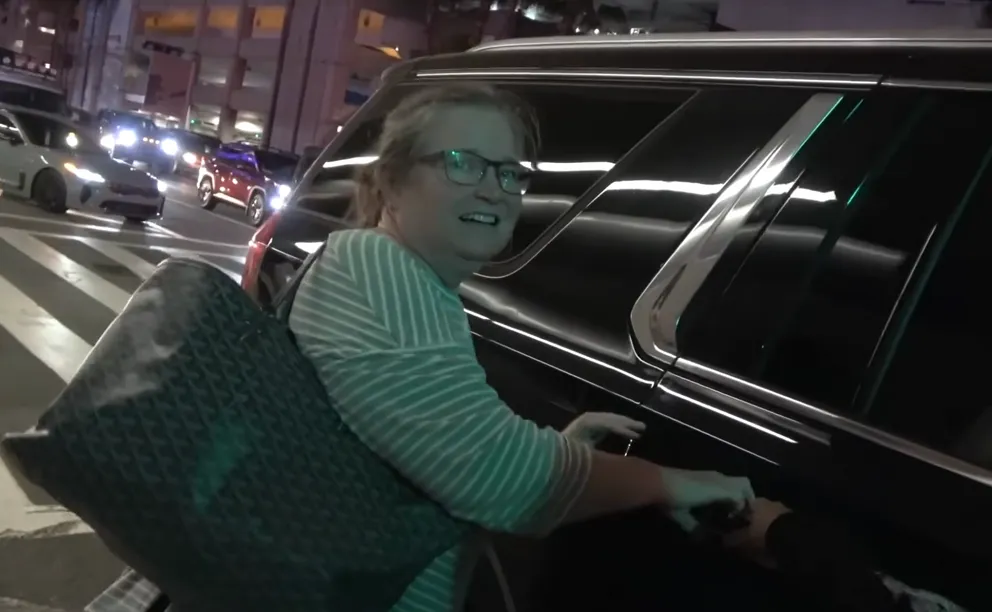
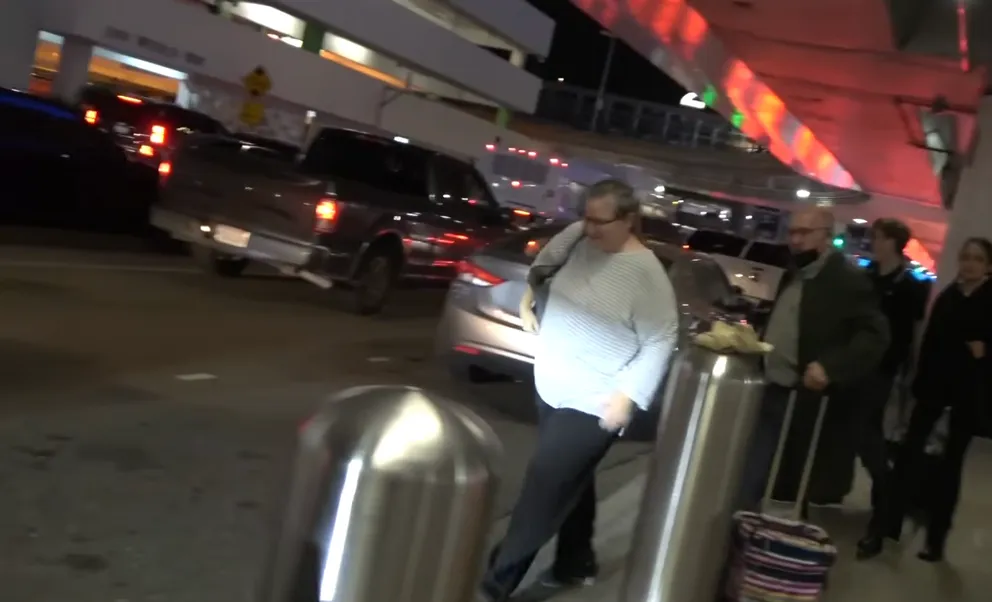
When she was eventually approached by a photographer at a Los Angeles airport and asked whether she might return to acting, Fonda gave an answer that left little room for interpretation.
“No.”
Pressed again about the possibility of a comeback, she repeated herself.
Then she explained why.
“I don’t think so,” she said. “It’s too nice being a civilian.”
That one sentence may explain more about her disappearance than years of speculation ever could.
For Fonda, stepping away does not appear to have been some tragic exile from the industry.
She seems to have chosen it.
After years of pressure, self-doubt, famous relatives, auditions, reviews, performances and constant scrutiny, ordinary life apparently felt better.
That is why rare photographs of her now generate so much attention.
In recent years, sightings have occasionally surfaced.
She was photographed in Los Angeles in July 2025.
Another rare public appearance followed in November of that year.
Then, on August 12, 2026, Fonda was seen again during an outing in Los Angeles.
More than two decades had passed since she stopped acting.
For many younger viewers, the woman in those photographs looked completely different from the actress frozen in memory from movies made in the 1990s.
But that is what more than 20 years does.
And many fans quickly pushed back against the idea that Fonda should somehow be expected to resemble the woman who starred in Single White Female more than three decades ago.
Instead, a wave of comments celebrated what they saw as natural aging.
“And she look FANTASTIC!!!” one admirer wrote, praising Fonda for appearing without the polished styling typically associated with Hollywood.
The commenter went on to applaud her for appearing natural and hoped she would not be criticized simply because she no longer looked like a carefully managed celebrity image.
Others initially struggled to believe the photographs were really her.
“I don’t believe that’s her!!!” one person wrote.
“That can’t be her?” another asked.
Others thought she looked happy and healthy.
“She looks like she got her health back. She looks great,” one person commented.
Another simply wrote, “She actually looks wonderful still.”
On Reddit, one commenter pointed out that Fonda has been married to Danny Elfman for decades and suggested that the couple appeared to be enjoying the private life they had created together.
Other people questioned why a woman aging naturally should be treated as surprising news at all.
“Oh no, woman ages naturally, stop the presses,” one sarcastic commenter wrote.
Another argued that seeing a former Hollywood actress age without appearing to chase the same beauty standards imposed on current stars was refreshing.
They described Fonda as someone who looked like “a normal human being” rather than a person attempting to preserve her appearance indefinitely.
Another admirer wrote that they loved seeing famous people age naturally and hoped Fonda was “living her best life.”
That may ultimately be the most appropriate way to view the rare photographs.
Bridget Fonda was once surrounded by an industry built on being seen.
She appeared on red carpets, talk shows, movie posters and magazine covers.
Her face was part of the visual language of 1990s Hollywood.
Then she decided she no longer wanted that life.
The photographs taken decades later do not show a movie star who somehow disappeared.
They show a woman who kept living after the cameras stopped following her.
That distinction matters.
Fonda once worried constantly about whether she had done enough.
She wondered whether her career could ever measure up to her family’s extraordinary legacy.
She dreamed of making the movie that might change somebody’s life.
Instead, she eventually made a different kind of decision.
She changed her own.
And when someone finally asked whether Hollywood could tempt her back, her answer was perhaps the clearest indication that she had no regrets.
“It’s too nice being a civilian.”