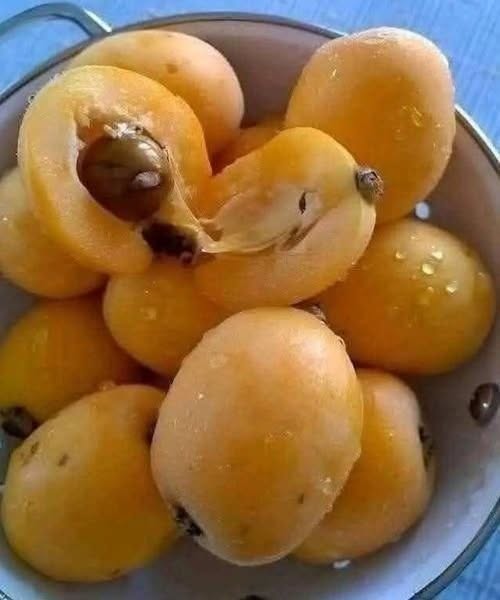
and nurtures a deeper appreciation for the ingredients we often overlook. When we choose to rescue fruit that has passed its prime, we are not merely preventing food waste; we are participating in a timeless tradition of stewardship. The kitchen becomes a laboratory of sensory delight, where the sharp, sweet scent of simmering berries fills the air, and the rhythmic sound of a wooden spoon against the pot provides a soothing soundtrack to an afternoon spent in intentional creation.
The beauty of this craft lies in its inherent flexibility and the creative freedom it affords the maker. Unlike the uniform, mass-produced jars lining supermarket shelves, homemade jam is an expression of individual taste and curiosity. You become the architect of your own pantry, adjusting the levels of sweetness to suit your palate, experimenting with bold flavor pairings like apricot and rosemary or blackberry and balsamic, and deciding whether you prefer a rustic, chunky texture or a smooth, refined consistency.
This level of control extends to the quality of ingredients, allowing you to bypass unnecessary additives and focus on the pure essence of the fruit itself. The process of washing, hulling, and chopping is a grounding exercise in mindfulness, requiring a focus that pulls us away from the digital noise of our daily routines. As the mixture thickens and the colors deepen, you are not just cooking; you are capturing a fleeting moment of harvest, bottling the warmth of summer to be enjoyed long after the frost has settled on the windows.
Beyond the stovetop, the utility of a well-stocked pantry of preserves is truly remarkable. While a warm slice of buttered toast remains the classic companion for a fresh batch of strawberry jam, the culinary possibilities are nearly endless. A dollop of tart cherry preserve can elevate a bowl of plain Greek yogurt into a sophisticated breakfast, while a savory fig jam serves as the perfect foil for the salty richness of an aged cheddar or a creamy goat cheese.
In the realm of cooking, these preserves act as secret weapons, adding depth and complexity to pan sauces for roasted meats or providing a sweet, sticky glaze for baked vegetables. By keeping a variety of flavors on hand, you transform your kitchen into a space of constant inspiration, where even a simple weeknight meal can be imbued with a sense of occasion. The versatility of these creations ensures that every jar is used to its fullest potential, further reducing the likelihood of waste.
Perhaps the most rewarding aspect of this tradition is the capacity for sharing. A jar of homemade jam, tied with a simple ribbon and labeled with care, represents a gift that is vastly different from a store-bought item. It carries the weight of your time, your patience, and your personal touch, making it a deeply meaningful offering for friends, neighbors, or family members. It is a tangible reminder of the effort you invested, a small piece of your kitchen’s warmth that you can pass on to others.
As you embark on your own journey into the world of preserving, remember that the goal is not perfection, but the joy of the process itself. Start with small, manageable batches to build your confidence and refine your techniques. Always ensure your jars are thoroughly sterilized to maintain the integrity of your preserves. Keep a simple log of your favorite flavor combinations and the ratios that worked best for you, as these notes will become a cherished personal cookbook over the years.
Finally, embrace the small, satisfying milestones of the craft: the way the pectin sets, the vibrant hue of the fruit as it transforms, and the distinct, musical pop of the lid as it seals. These are the moments that ground us, reminding us that even in a world that demands we move faster, there is immense value in choosing to slow down, stir the pot, and savor the sweet, enduring rewards of a tradition well kept. To begin, simply select your fruit, prepare your sterilized jars, and savor the slow, rhythmic transformation of nature into a shelf-stable treasure.
{"post":111473,"page":2,"next":[{"id":111470,"title":"The Enduring Legacy of Darrell Sheets and the Reality of His Professional Journey","url":"https:\/\/new24.info\/111470"},{"id":111460,"title":"With heavy hearts, we announce the passing of this wonderful man and legendary singer at the age of 95","url":"https:\/\/new24.info\/111460"},{"id":111457,"title":"My DIL Made Me Sleep in a Tent in Her Backyard While My Son Was Away on a Business Trip \u2013 But She Didn\u0027t Expect Him to Come Home Early","url":"https:\/\/new24.info\/111457"},{"id":111455,"title":"Robert Duvall, Master of Subtle Intensity and Academy Award-Winning Actor, Dies at 95","url":"https:\/\/new24.info\/111455"},{"id":111451,"title":"My Son and I Got on My Pilot Husband\u0027s Flight to Surprise Him \u2013 Then He Said Something over the Speakers That Made Us Stop Smiling","url":"https:\/\/new24.info\/111451"},{"id":111449,"title":"The Three Words That Silenced a Backyard Revealed Who My Son Had Become","url":"https:\/\/new24.info\/111449"},{"id":111447,"title":"Miley Cyrus Sparks Rebranding Speculation Following the Passing of Her Godmother Dolly Parton","url":"https:\/\/new24.info\/111447"},{"id":111443,"title":"I Finally Brought My New Boyfriend Home to Meet My Son \u2013 The Moment My Boyfriend Saw Him, He Went Pale and Said, \u0027I Have to Go Right Now\u0027","url":"https:\/\/new24.info\/111443"},{"id":111426,"title":"Dolly Parton\u0027s Niece and Sister Share Heartbreaking Tributes After Her Death","url":"https:\/\/new24.info\/111426"},{"id":111424,"title":"The Silence They Mistook for Ignorance Hid Eight Years She Never Spoke About","url":"https:\/\/new24.info\/111424"},{"id":111414,"title":"Miley Cyrus Makes a Surprising Move After Her Godmother Dolly Parton\u0027s Passing \u2013 Details \u0026 What the Public Is Saying About It Online","url":"https:\/\/new24.info\/111414"},{"id":111409,"title":"Dolly Parton Death Claim Raises Questions Online","url":"https:\/\/new24.info\/111409"},{"id":111404,"title":"A Legendary Hollywood Career Comes to an End\u2014Fans Remember an Icon","url":"https:\/\/new24.info\/111404"},{"id":111400,"title":"Discovering My Husband Faked Our Divorce While I Nursed His Mother","url":"https:\/\/new24.info\/111400"},{"id":111397,"title":"My MIL Met a Stranger at a Hotel\u2014Then a Midnight Call Changed Everything","url":"https:\/\/new24.info\/111397"},{"id":111388,"title":"The Song Dolly Parton Chose for Her Funeral and What It Reveals \u2013 Details \u0026 Photos","url":"https:\/\/new24.info\/111388"},{"id":111383,"title":"Dolly Parton\u0027s Statement Just Four Days Before Her Passing at 80 \u2013 Details","url":"https:\/\/new24.info\/111383"},{"id":111378,"title":"Why Refusing To Pay For Groceries Saved My Golden Retirement Years","url":"https:\/\/new24.info\/111378"},{"id":111374,"title":"Unexpected Funeral Announcement Reveals Secret Trust Designed To Save Our Family","url":"https:\/\/new24.info\/111374"},{"id":111372,"title":"Remembering the Private Devotion of Dolly Parton, the Beloved Matriarch Known to Her Family as Granny","url":"https:\/\/new24.info\/111372"}]}