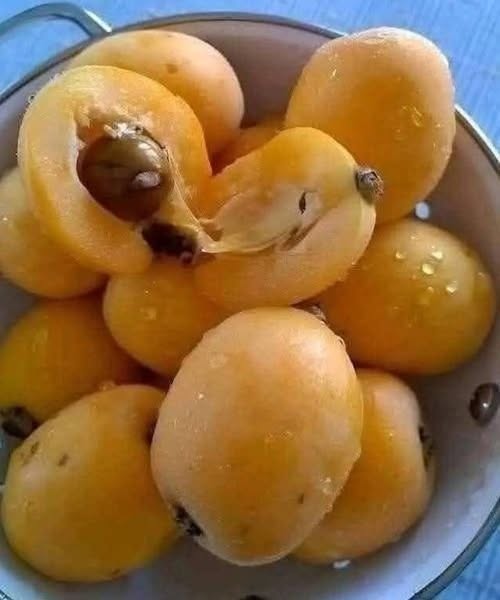
A pot of simmering fruit can transform an ordinary kitchen. As berries, peaches, plums or other fruits slowly soften, their aroma fills the room and creates the kind of warmth that many people associate with family kitchens and homemade food.
One of the best things about homemade jam is that it can give overripe fruit a second life.
Fruit that has become too soft to enjoy on its own may still be perfectly flavorful for cooking. Instead of throwing it away, it can be turned into a colorful spread that lasts much longer.
That makes jam-making both enjoyable and practical.
It also gives you more control than simply picking a jar from a supermarket shelf.
When making your own batch, you can decide how sweet you want it, whether you prefer a smooth or chunky texture, and which flavors you want to combine.
Traditional strawberry, raspberry, blackberry, peach and plum jams remain favorites for a reason, but homemade batches also leave plenty of room for creativity.
Peach can be paired with ginger. Blueberries can be combined with lemon or lavender. Strawberries can be brightened with a little citrus, while apples and pears can work beautifully with warm spices.
Experimenting is part of the fun.
The process itself can also become a comforting ritual.
Washing and preparing the fruit, watching it slowly break down in the pot, stirring as the mixture thickens and filling clean jars all require patience.
There is something satisfying about seeing a row of finished jars after starting with nothing more complicated than fresh fruit and a handful of ingredients.
For people who preserve jam for longer-term storage, even the small sound of a jar sealing can bring a sense of accomplishment.
Homemade jam can also be adapted to suit personal preferences.
Some recipes use traditional amounts of sugar because sugar contributes not only sweetness but also texture and preservation. Other recipes are specifically formulated for reduced sugar, often using an appropriate low-sugar pectin.
For small refrigerator batches, the process can be even simpler because the jam is made to be eaten relatively quickly rather than stored for months.
The important thing is to follow a tested recipe if you plan to preserve jars at room temperature. Proper acidity, processing time and clean equipment matter for safe home canning.
Once you have made the jam, there are far more ways to enjoy it than simply spreading it over toast.
A spoonful can be stirred into plain yogurt or oatmeal.
It can be served alongside pancakes, waffles or biscuits.
Certain jams pair surprisingly well with cheeses, making them useful additions to cheese boards and appetizers.
They can also be used in baking, layered into cakes, spooned over desserts or incorporated into sauces and glazes.
Then there is perhaps the most charming use of all: giving it away.
A homemade jar of jam makes a simple but personal gift.
It doesn’t need expensive packaging to feel special. A clean jar, a handwritten label and perhaps a small ribbon are often enough.
What makes the gift meaningful isn’t simply what is inside the jar.
It is the fact that somebody chose the fruit, prepared it, stood over the stove stirring it and packaged it specifically to share with someone else.
That kind of effort has become increasingly meaningful in a world where almost anything can be ordered instantly.
Making jam forces life to move a little more slowly.
Fruit has to be prepared.
The mixture has to cook.
Jars have to cool.
And the result cannot be rushed.
Perhaps that is part of why this simple kitchen tradition has survived for generations.
Homemade jam turns fruit that might otherwise disappear within days into something that can be enjoyed weeks or months later. It reduces unnecessary food waste, encourages experimentation and creates something uniquely personal.
Most importantly, it reminds us that some of the simplest things we make ourselves can carry the most meaning.
A jar of homemade jam may contain fruit and sugar, but it can also hold a little piece of summer, a family tradition and the memory of the hands that made it.
{"post":111249,"page":2,"next":[{"id":111247,"title":"The Answer I Gave My Daughter at the Farmers Market Ended Years of Being Her Doormat","url":"https:\/\/new24.info\/111247"},{"id":111243,"title":"Why A Simple Wooden Recipe Box From Grandmother Vivienne Changed Everything","url":"https:\/\/new24.info\/111243"},{"id":111239,"title":"Hidden Phone Video Exposes A Husbands Betrayal After A Family Accident","url":"https:\/\/new24.info\/111239"},{"id":111231,"title":"Dolly Parton\u0027s Little-Seen Detail Comes Into Focus in These Photos","url":"https:\/\/new24.info\/111231"},{"id":111225,"title":"Dolly Parton\u0027s Statement Just Four Days Before Her Passing at 80 \u2013 Details","url":"https:\/\/new24.info\/111225"},{"id":111205,"title":"This insecure and \u0027odd\u0027 baby with severe asthma grew up to become one of the most iconic artists in the world","url":"https:\/\/new24.info\/111205"},{"id":111218,"title":"The Hidden Truth: Why Your Toilet Habits Are Costing You Thousands (And How to Fix It)","url":"https:\/\/new24.info\/111218"},{"id":111213,"title":"Understanding Why Veins Become Visible: Distinguishing Normal Changes From Potential Medical Concerns","url":"https:\/\/new24.info\/111213"},{"id":111210,"title":"Reflecting on the Life, Character, and Professional Legacy of Actor Chance Perdomo","url":"https:\/\/new24.info\/111210"},{"id":111207,"title":"The Quiet Empowerment Behind the Iconic Style of Dolly Parton","url":"https:\/\/new24.info\/111207"},{"id":111202,"title":"I Trusted My Lazy 18-Year-Old Brother-in-Law with My Toddlers While I Bought Groceries \u2013 I Returned to an Empty House","url":"https:\/\/new24.info\/111202"},{"id":111199,"title":"My 6-Year-Old Son\u0027s Friends Started Laughing at Him When They Saw Him Pushing a Toy Baby in a Stroller \u2013 But His Response Left Me Speechless","url":"https:\/\/new24.info\/111199"},{"id":111196,"title":"I Turned Down a Millionaire to Marry My Broke Best Friend \u2013 But on Our Wedding Day, While We Were Eating Burgers, My Husband Pulled Something Out of His Pocket and Said, \u0027Dear, There\u0027s Something You Don\u0027t Know About Me\u0027","url":"https:\/\/new24.info\/111196"},{"id":111194,"title":"A Practical Guide to Identifying and Managing Household Insects for a Healthier Home Environment","url":"https:\/\/new24.info\/111194"},{"id":111191,"title":"Clarifying the Legacy and Estate Planning of Dolly Parton Amidst Persistent Misinformation Regarding Her Personal Life","url":"https:\/\/new24.info\/111191"},{"id":111185,"title":"What to Know About the Dolly Parton Health Claims","url":"https:\/\/new24.info\/111185"},{"id":111181,"title":"There\u2019s a Hidden Face in This Snowy Forest Scene","url":"https:\/\/new24.info\/111181"},{"id":111177,"title":"Hidden Garage Routine Leads Husband To Uncover Astonishing Decades Old Secret","url":"https:\/\/new24.info\/111177"},{"id":111173,"title":"Hidden Hospital Footage Revealed My Paralyzed Husband Was Faking His Severe Injuries","url":"https:\/\/new24.info\/111173"},{"id":111152,"title":"Hidden Brown Folder Reveals A Shocking Family Betrayal During Birthday","url":"https:\/\/new24.info\/111152"}]}