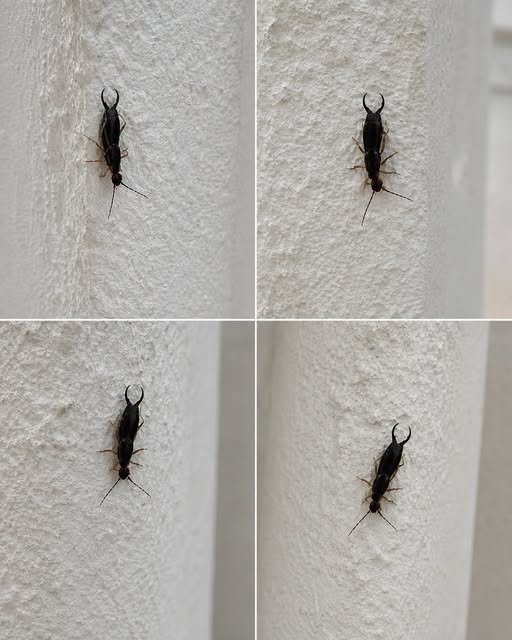
that initial observation is the bridge between unnecessary anxiety and effective home management. The real story behind a single insect in your home is less about fear and more about gathering information. That single bug can function as a scout, a drifter, or a symptom of a larger issue. When an insect appears, it is often exploring its environment for resources. A scout might be looking for food or shelter, while a drifter may have simply wandered in through an open door or window by accident. However, if that insect is a symptom, it suggests that your home provides the specific conditions it needs to thrive, such as moisture, warmth, or a reliable food supply.
Proper identification is the cornerstone of any successful pest management strategy. Without knowing exactly what you are dealing with, you cannot determine if the insect is a nuisance, a structural threat, or a sign of a sanitation issue. Many common household insects, such as silverfish, ants, or beetles, have distinct environmental preferences. By identifying the species, you can trace why it appeared. For instance, silverfish are often drawn to high humidity and paper products, while ants are frequently attracted to microscopic food particles or spills. Understanding these preferences allows you to address the root cause rather than just treating the visible symptom.
Environmental factors play a massive role in whether your home becomes an attractive habitat for pests. Insects are biological machines that require specific conditions to survive and reproduce. Moisture is perhaps the most significant attractant for a wide variety of pests. Leaky pipes under the kitchen sink, condensation on windows, or damp basements create ideal breeding grounds. Similarly, clutter provides hiding spots where insects can remain undisturbed, allowing populations to grow undetected. Reducing these environmental stressors is often more effective than the indiscriminate application of pesticides, which can sometimes be harmful to pets or residents.
Once you have identified the insect and assessed your home’s environment, you can begin implementing practical prevention steps. Start by eliminating the food sources that draw insects inside. This means being diligent about cleaning up crumbs, wiping down counters, and ensuring that all pantry staples are stored in airtight, sealed containers. A clean kitchen is a significant deterrent for many common household pests. Furthermore, focus on sealing potential entry points. Inspect your window screens for tears, check door sweeps for gaps, and use caulk to seal cracks in walls or around baseboards where insects might travel. These small, physical barriers are often enough to discourage most casual visitors.
Managing humidity is another vital aspect of long-term prevention. Using a dehumidifier in damp areas like basements or crawl spaces can make your home significantly less hospitable to insects that require moisture to survive. Ensure that your bathroom and kitchen fans are functioning correctly to vent excess steam outside. By lowering the relative humidity, you create a dry environment that is inherently less appealing to many common pests, effectively reducing the chances of a recurring infestation. Regular maintenance of these systems is a proactive way to keep your living space comfortable and pest-free.
It is important to recognize when a situation has moved beyond a simple, manageable encounter. If you begin to see multiple insects, or if you notice them appearing consistently in the same area, that is your signal to look deeper. A recurring presence often indicates that a colony or nest is established nearby. In these instances, it is wise to call a professional pest control service. They have the training and tools to conduct a thorough inspection, identify the source of the activity, and implement a targeted treatment plan that is safer and more effective than over-the-counter solutions. Do not wait for the problem to grow before seeking expert advice.
Ultimately, you do not need to live in fear of every stray insect that crosses your path. By maintaining a calm eye, acquiring a bit of basic knowledge about local pests, and demonstrating a willingness to act on what your home is trying to tell you, you can maintain a healthy living environment. Treat each encounter as a piece of data that helps you refine your home maintenance routine. Through consistent cleaning, sealing, and monitoring, you establish a home that is naturally resistant to pests, ensuring peace of mind for you and your family.
In conclusion, the most effective approach to household insect management is rooted in prevention and observation. By keeping your home dry, clean, and well-sealed, you remove the primary incentives for insects to take up residence. If you do find a pest, take the time to identify it, assess the surrounding environment for attractants, and take immediate, practical steps to rectify those conditions. Should the presence persist, do not hesitate to contact a professional. This balanced, methodical approach ensures that your home remains a sanctuary rather than a habitat for unwanted visitors.
{"post":111194,"page":2,"next":[{"id":111191,"title":"Clarifying the Legacy and Estate Planning of Dolly Parton Amidst Persistent Misinformation Regarding Her Personal Life","url":"https:\/\/new24.info\/111191"},{"id":111185,"title":"What to Know About the Dolly Parton Health Claims","url":"https:\/\/new24.info\/111185"},{"id":111181,"title":"There\u2019s a Hidden Face in This Snowy Forest Scene","url":"https:\/\/new24.info\/111181"},{"id":111177,"title":"Hidden Garage Routine Leads Husband To Uncover Astonishing Decades Old Secret","url":"https:\/\/new24.info\/111177"},{"id":111173,"title":"Hidden Hospital Footage Revealed My Paralyzed Husband Was Faking His Severe Injuries","url":"https:\/\/new24.info\/111173"},{"id":111152,"title":"Hidden Brown Folder Reveals A Shocking Family Betrayal During Birthday","url":"https:\/\/new24.info\/111152"},{"id":111167,"title":"The Enduring Grace of Dolly Parton: Reflecting on a Career Defined by Resilience and Lasting Community Service","url":"https:\/\/new24.info\/111167"},{"id":111164,"title":"The Sunflower Secret: Unraveling Forty Years of Silence Following My Twin Sister\u2019s Disappearance","url":"https:\/\/new24.info\/111164"},{"id":111161,"title":"Charming Production Glitches and Behind-the-Scenes Secrets of Television\u2019s Most Famous Stranded Castaways","url":"https:\/\/new24.info\/111161"},{"id":111157,"title":"My MIL Met a Stranger at the Hotel Bar and Decided to Stay with Him \u2013 Then She Called Me at Midnight and Said, \u0027Please Help Me. Don\u0027t Tell My Son\u0027","url":"https:\/\/new24.info\/111157"},{"id":111153,"title":"The Officer Who Walked Into That Restaurant And Ended My Marriage At The Window Table","url":"https:\/\/new24.info\/111153"},{"id":111148,"title":"Widow Discovers Her Missing Husband Traveling Under Fake Name During Flight","url":"https:\/\/new24.info\/111148"},{"id":111144,"title":"If you see window grills with a curve at the bottom here\u2019s what it means","url":"https:\/\/new24.info\/111144"},{"id":111141,"title":"Dolly Parton, 80, private final days revealed as family insider shares why she stepped away from the spotlight","url":"https:\/\/new24.info\/111141"},{"id":111133,"title":"I Spent Two Weeks in the Hospital, and My Husband Never Visited Me Once \u2013 When I Finally Came Home and Opened the Front Door, I Stood There Staring in Disbelief","url":"https:\/\/new24.info\/111133"},{"id":111134,"title":"Military Mother Discovers Shocking Conspiracy Behind Her Mistreated Daughter And Fights Back","url":"https:\/\/new24.info\/111134"},{"id":111130,"title":"My MIL Said I \u0027Ate Too Much for the Beach\u0027 and Laughed When Everyone Agreed \u2013 By Sunset, She Was Screaming, \u0027How Could You Do This to Me?!\u0027","url":"https:\/\/new24.info\/111130"},{"id":111127,"title":"My Twin Sister Vanished on Our Birthday\u2014Years Later, Her Sweater Revealed a Family Mystery","url":"https:\/\/new24.info\/111127"},{"id":111120,"title":"Brigitte Bardot blamed her son for not giving her the maternal instinct \u2013 cut all contact for decades","url":"https:\/\/new24.info\/111120"},{"id":111117,"title":"The Hidden Costs of Deception: Why Supermarket Meat Labels Are Failing to Tell the Truth","url":"https:\/\/new24.info\/111117"}]}