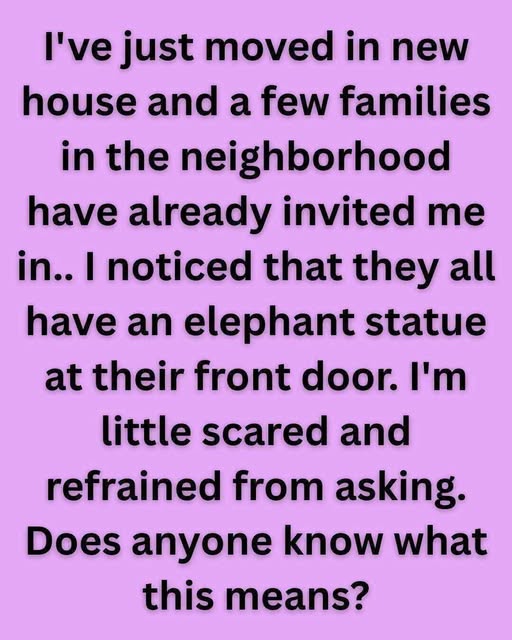
harmony and intention within their living space. The physical orientation of the statue is considered a critical factor in determining how these energies interact with the home. When an elephant is positioned to face outward toward the street, it is widely believed to act as a sentinel, providing a layer of spiritual protection to the household and warding off negative influences. Conversely, turning the statue to face inward toward the interior of the home is thought to invite positive energy, wealth, and abundance into the dwelling, effectively acting as a magnet for prosperity and good luck. This subtle shift in direction allows the homeowner to curate the symbolic message they wish to project into their environment, whether they prioritize the safety of their sanctuary or the flourishing of their personal and financial life.
The posture of the elephant, particularly the position of its trunk, adds another layer of nuance to this traditional practice. A trunk held high in the air is universally associated with luck, success, and the celebration of life, making it a popular choice for those looking to manifest joy and achievement. In contrast, a trunk that is lowered toward the ground is interpreted as a symbol of patience, stability, and the ability to navigate life’s challenges with a grounded, steady demeanor. By selecting a statue with a specific trunk position, individuals can reinforce their personal goals, choosing either the vibrant energy of upward reaching or the calm, enduring strength of a downward-facing trunk. These details transform the statue from a static object into a meaningful focal point that reflects the values and aspirations of those who reside within.
Beyond the individual statue, the arrangement of multiple figures carries its own distinct significance. A pair of elephants placed at an entrance is frequently used to represent harmony, balance, and the strength of companionship. This duality is often seen as a reflection of the bond between partners or the balanced nature of a healthy, supportive household. The inclusion of these figures can serve as a constant reminder of the importance of mutual respect and unity, grounding the home in a sense of partnership and shared purpose. Whether used as a singular statement piece or as a balanced pair, the presence of these statues encourages a mindful approach to the space one occupies, inviting residents to consider the deeper meanings behind their chosen decor.
The cultural resonance of the elephant is perhaps most profoundly felt in Hindu tradition, where the animal is inextricably linked to Lord Ganesha. As a deity celebrated for his immense wisdom and his role as the remover of obstacles, Ganesha is often depicted with the head of an elephant, cementing the creature’s status as a beacon of success and intellectual clarity. For many, incorporating an elephant statue into their home is a respectful nod to these enduring values, serving as a daily visual prompt to approach life’s complexities with wisdom and to persist until barriers are overcome. This connection elevates the statue from a mere aesthetic choice to a spiritual anchor that grounds the home in a legacy of resilience and auspicious beginnings.
While some people may choose to display these statues simply because they admire the artistic craftsmanship or the aesthetic appeal of the elephant as a majestic animal, the underlying symbolism can undoubtedly add a layer of personal significance to the home. The practice of using such figures is not about adherence to rigid rules, but rather about the intentional creation of an environment that feels supportive and meaningful. By understanding the traditional associations—from the protective nature of outward-facing figures to the welcoming nature of those facing inward—homeowners can make informed decisions that align their physical space with their personal intentions.
Ultimately, the placement of elephant statues serves as a bridge between the physical world of home design and the intangible world of cultural symbolism. It is a practice that invites reflection on what we value most, whether that is the safety of our families, the pursuit of success, or the cultivation of inner wisdom. As you consider where to place such a statue at your own entrance, reflect on the specific energy you wish to welcome into your life. Whether you seek the protective gaze of an outward-facing figure or the abundant energy of one turned toward your threshold, ensure the placement feels deliberate and aligned with your own sense of peace and purpose. By thoughtfully selecting the orientation and posture, you transform your entryway into a space that not only welcomes guests but also reinforces the positive values you hold dear, creating a home that feels both grounded and deeply inspired.