
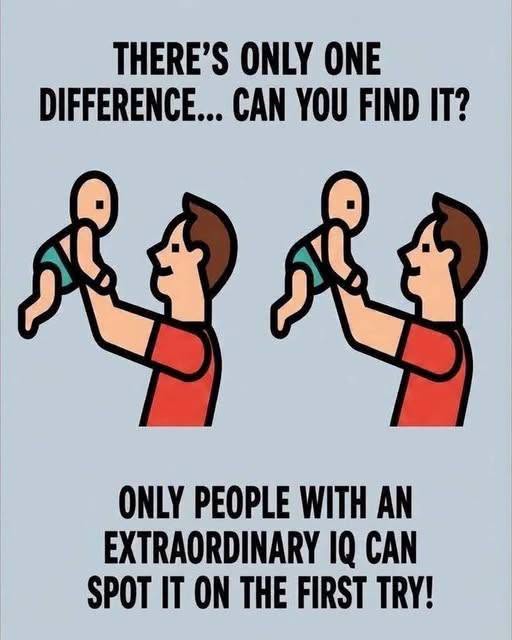
A useful method is to compare the images in sections rather than letting your eyes jump randomly from place to place.
Start at the top and move across slowly. Then continue downward, checking the corners, background, borders, and smaller objects.
If something seems slightly different, compare that exact spot in the second image before deciding.
The difference may be small, but once you notice it, it should become clear.
Why Small Differences Are Easy to Miss
Our minds naturally focus on the overall scene rather than examining every individual detail.
When two pictures look almost the same, the brain can quickly decide that they match and stop paying close attention to small changes. That is why you may look directly at the different area several times without noticing it.
These puzzles are not really about intelligence. They are simple exercises in patience, attention, and observation.
Take One More Look
Before giving up, scan both images one more time.
Pay special attention to the ordinary-looking areas. Sometimes the detail we overlook is hidden precisely where nothing seems unusual.
Did you notice the difference immediately, or did it take a while?
Either way, the interesting part is seeing how easily our first impression can miss something that was there all along.