
Her ability to transform her voice made Webber particularly valuable during an era when radio dramas depended entirely on sound to bring characters and stories to life.
From Sherlock Holmes to Casablanca
Among Webber’s numerous radio credits was The Adventures of Sherlock Holmes, where she performed alongside Basil Rathbone and Nigel Bruce.
She also had the opportunity to step into one of Hollywood’s most recognizable roles.
In 1944, Webber portrayed Ilsa in a radio adaptation of Casablanca, taking on the character famously played on the big screen by Ingrid Bergman.
Her career, however, would eventually extend well beyond the microphone.
Working With Orson Welles and Alfred Hitchcock
As television and cinema grew increasingly dominant, Webber successfully moved into screen acting while continuing her radio work.
In 1948, Orson Welles cast her as Lady Macduff in his film adaptation of Shakespeare’s Macbeth, placing the young performer alongside one of the most influential filmmakers and actors of the era.
Webber later appeared in Alfred Hitchcock’s 1956 drama The Wrong Man, starring Henry Fonda.
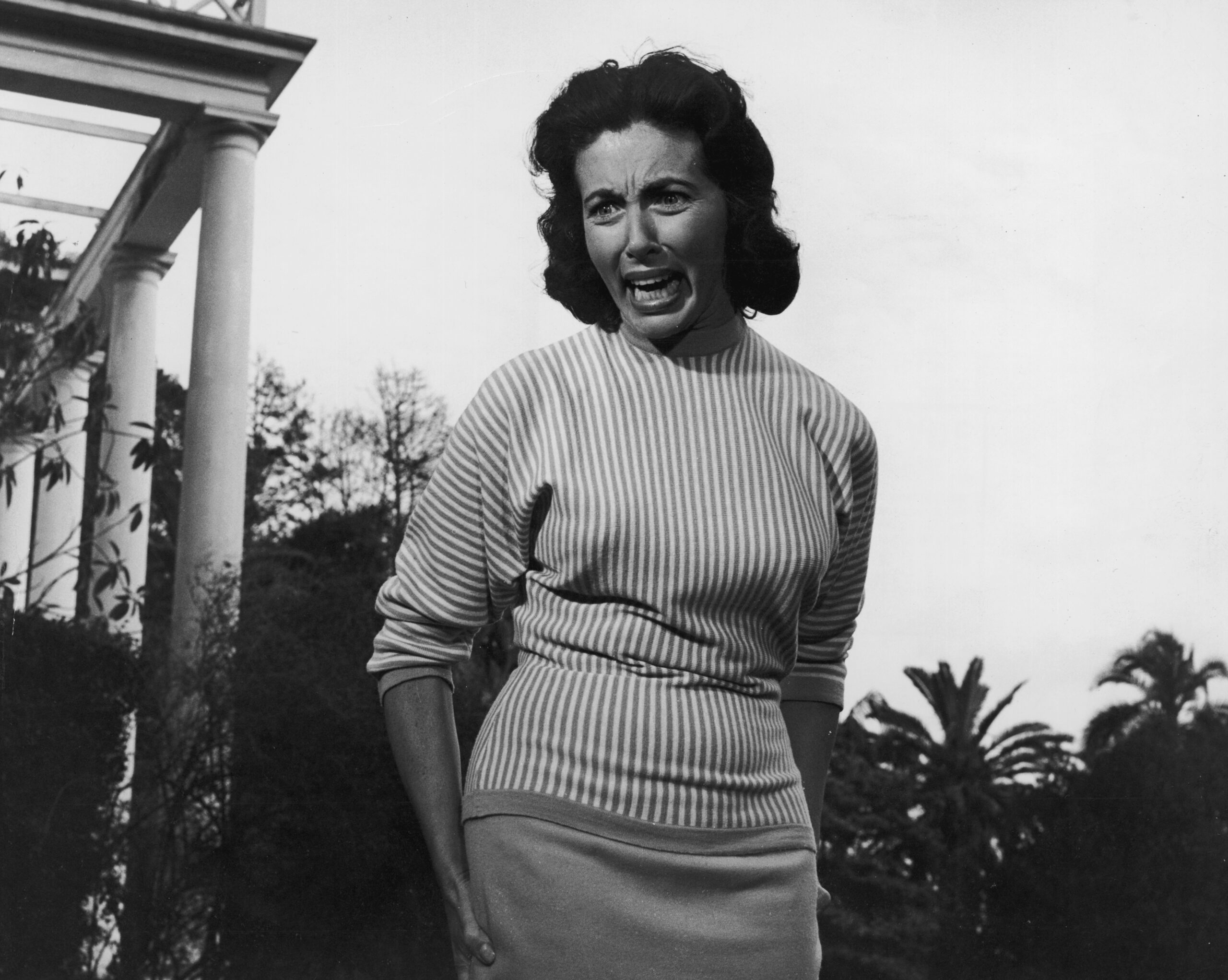
Two years later, she became associated with another very different corner of Hollywood when she appeared in the 1958 horror film The Screaming Skull. Her performance helped earn her recognition among fans of classic horror and established her as an early example of what would later become known as a “scream queen.”
Despite her work in film and television, Webber never abandoned the medium that had captured her imagination as a child.
Radio Remained Her Greatest Passion
Webber’s devotion to radio continued long after its golden age had ended.
In 1984, she founded the California Artists Radio Theatre, an organization dedicated to preserving and producing radio drama. Through the project, she helped introduce the storytelling tradition to new generations while giving performers an opportunity to work in a format that had largely disappeared from mainstream broadcasting.
Remarkably, Webber continued working in radio well into her 90s.
Speaking with L.A. Weekly in 2015, she explained the sense of responsibility that kept her working decades after many performers would have retired.
“I’ve had a certain kind of dedication since I was young, and that dedication is what keeps me going.”
She compared the opportunities she had received throughout her career to being entrusted with something precious.
“It’s like when you have a child. You’ve been given the trust to take care of this creature, and I’ve always felt the same way about the opportunities that have been given to me — it’s a responsibility.”
That dedication became one of the defining characteristics of her extraordinary professional life.
A Voice That Spanned Generations
From performing thousands of radio broadcasts during the 1940s to working with Orson Welles and Alfred Hitchcock, appearing in classic horror and eventually helping preserve radio drama itself, Peggy Webber experienced an astonishing range of entertainment history.
She began performing when radio was one of America’s dominant forms of entertainment and continued contributing to the medium many decades after television and film had transformed popular culture.
Her longevity was impressive, but perhaps even more remarkable was her commitment to the craft that first captured her imagination at just 12 years old.
Peggy Webber leaves behind a century of life and an entertainment legacy that stretched across generations.
Her face may not have been instantly recognizable to everyone who encountered her work, but for countless listeners, her voice was unforgettable.
Rest in peace, Peggy Webber.