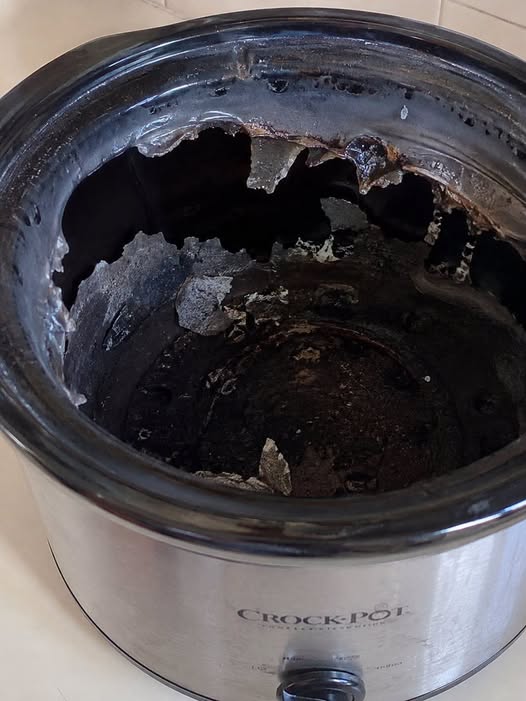
that you might encounter when attempting to cook everything in a single pot. While the device excels at breaking down connective tissues over long periods, it lacks the high-heat intensity required for certain cooking processes. Lean proteins, for instance, lack the fat content necessary to withstand prolonged exposure to heat. When you place boneless chicken breasts in a slow cooker, the moisture evaporates rapidly, leaving the fibers chalky and stringy. To maintain quality, opt for bone-in, skin-on thighs, which remain juicy due to their higher fat content, or adjust your cooking duration significantly.
Seafood presents a different challenge entirely. Because shrimp, scallops, and white fish are composed of delicate proteins that coagulate quickly, they require only minutes of heat to reach perfection. Subjecting them to several hours of simmering results in a rubbery, tough consistency that ruins the texture of the dish. The most effective strategy is to reserve seafood for the final twenty minutes of the cooking cycle, allowing the residual heat to gently poach the ingredients until they are just opaque and tender.
Dairy products also react poorly to the slow cooker’s environment. When milk, cream, or soft cheeses are subjected to sustained heat, their protein structures break down, leading to curdling and a grainy, separated appearance. If a recipe calls for a creamy finish, it is best to stir in your dairy components during the last thirty minutes of cooking. Alternatively, using full-fat coconut milk can provide a stable, rich texture that holds up much better to the extended heat of the appliance.
Starches like pasta and rice require careful management as well. In a standard pot, these ingredients absorb moisture and expand; in the sealed, humid environment of a slow cooker, they tend to absorb too much liquid, turning into a bloated, mushy paste that lacks structural integrity. To achieve the best results, cook your grains or pasta separately on the stovetop and combine them with your slow-cooked base immediately before you are ready to serve the meal.
Herbs and leafy greens are similarly sensitive. Fresh herbs like basil, cilantro, and parsley rely on volatile oils for their aromatic punch. Hours of heat will dissipate these oils and turn the leaves into brown, flavorless sludge. Likewise, spinach or kale will lose their vibrant color and texture, becoming slimy. For both categories, the solution is timing. Add fresh herbs during the final ten minutes and leafy greens during the final five minutes to ensure they retain their color, nutrients, and fresh flavor profiles.
Safety remains a paramount concern, particularly regarding frozen meat and dry beans. Placing frozen meat into a slow cooker is hazardous because it keeps the internal temperature in the danger zone—between 40°F and 140°F—for far too long, creating an ideal environment for bacterial growth. Always ensure your meat is completely thawed in the refrigerator before starting. Similarly, dry beans, especially kidney beans, contain natural toxins that require high heat to neutralize. Because slow cookers often fail to reach a sustained boil, you must soak beans overnight and boil them on the stove for at least ten minutes before adding them to the pot to ensure they are safe for consumption.
Alcoholic additions, such as wine or beer, require a specific adjustment. In standard stovetop cooking, the high heat allows the alcohol to evaporate, leaving behind only the complex, concentrated flavors. In a slow cooker, the temperature is too low for this evaporation to occur effectively, which often results in a harsh, bitter, and overpowering taste that can dominate the entire dish. To avoid this, simmer your wine or beer in a skillet on the stove for several minutes until the alcohol has cooked off before incorporating the liquid into your slow cooker.
Finally, consider the physics of the sealed vessel. Unlike a stovetop pan, a slow cooker prevents evaporation. If you use the same liquid ratios found in traditional recipes, you will inevitably end up with a watery, diluted result. Reduce your liquid by approximately one-third to maintain a concentrated flavor. Additionally, avoid adding crispy elements like bacon or fried onions during the cooking process, as the trapped steam will inevitably turn them soggy. Keep these toppings in a separate container and add them at the very last moment to provide that essential textural contrast.
By respecting the limitations of your equipment, you can elevate your slow-cooked meals from mediocre to exceptional. The key lies in timing your additions based on the specific needs of each ingredient. Treat your slow cooker as a base for long-simmering flavors, but rely on your stovetop for the finishing touches that require precision, texture, and freshness. Adopting this hybrid approach ensures that every component of your meal reaches the table in its best possible state, providing a satisfying and safe dining experience every time.