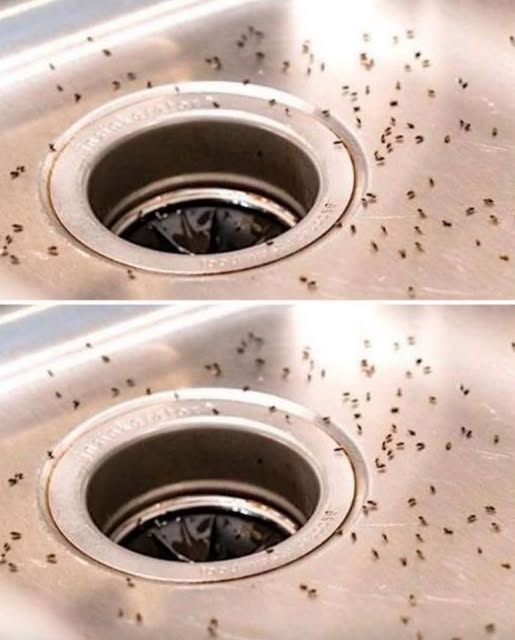
As these creatures multiply with startling speed, they begin to dominate the atmosphere, turning light fixtures into beacons and surfaces into landing strips. While it is important to note that these common household gnats do not bite, their sheer numbers can make a home feel neglected or unhygienic. Fortunately, reclaiming your space does not require the use of harsh synthetic pesticides or toxic sprays. By understanding their life cycle and targeting their primary breeding grounds, you can effectively break the cycle of infestation through simple, non-toxic, and consistent maintenance habits that restore order to your daily environment.
Managing Your Houseplants
Houseplants are frequently the primary source of a gnat problem, specifically fungus gnats that thrive in moist, nutrient-rich potting soil. These insects lay their eggs in damp earth, where the larvae feed on organic matter and fungal growth. The most effective way to discourage this behavior is to adjust your watering schedule. By allowing the top few inches of soil to dry out completely between waterings, you create an inhospitable environment for larvae, effectively halting their development. Additionally, ensure you regularly remove dead leaves or decaying plant matter from the surface of your pots, as these provide a perfect food source for the growing population.
For a more proactive approach, consider applying a thin layer of food-grade diatomaceous earth to the surface of your potting soil. This natural, mineral-based powder acts as a physical barrier that disrupts the larvae without harming the plant itself. When applied to dry soil, it creates a jagged, microscopic texture that prevents the insects from thriving, offering a safe and reliable method for long-term control.
Targeting Adult Gnats
While managing the soil addresses the next generation, you must also contend with the adults already flying through your home. Sticky traps are an excellent tool for this purpose. These yellow, adhesive cards mimic the appearance of vibrant flowers or foliage, drawing the adults in and trapping them on contact. Placing these traps near your most affected plants will significantly reduce the number of breeding adults in the immediate area. For a more homemade solution, create a simple trap using a small bowl filled with apple cider vinegar and a single drop of liquid dish soap. The scent of the vinegar attracts the gnats, while the soap breaks the surface tension of the liquid, ensuring they are unable to escape once they land.
Maintaining Kitchen Hygiene
Beyond your plants, the kitchen is a common hotspot for gnat activity. These insects are highly attracted to the moisture found in sink drains and the organic decay present in trash bins or overripe fruit. To eliminate these attractions, prioritize keeping your kitchen surfaces dry and free of food debris. Regularly rinse your drains with hot water to clear away any organic buildup that might serve as a breeding ground. If you keep a fruit bowl on your counter, inspect it daily for signs of spoilage and discard any items that have begun to soften or break down. Keeping your trash bins tightly sealed and emptying them frequently will further deny these pests the resources they need to sustain their population.
A Consistent Approach
The key to success lies in the persistence of your efforts. Because gnats have a relatively short life cycle, you may notice a significant decrease in their numbers within just a few days of implementing these changes. However, it is vital to maintain these habits for a few weeks to ensure that any remaining eggs or larvae are also addressed. By keeping your soil dry, using natural traps, and maintaining a clean, dry environment in your kitchen, you can effectively manage the situation without resorting to aggressive chemical solutions.
Ultimately, the goal is to create a home environment that is less welcoming to these opportunistic pests. By focusing on moisture control and regular sanitation, you not only eliminate the current infestation but also prevent future swarms from taking hold. With a little patience and a commitment to these simple, practical steps, you will find that your home returns to the calm, clean, and comfortable sanctuary you deserve, free from the persistent presence of unwanted flying insects.
{"post":108756,"page":2,"next":[{"id":108753,"title":"Chuck Negron, the Iconic Voice of Three Dog Night, Passes Away at Age 83","url":"https:\/\/new24.info\/108753"},{"id":108750,"title":"The Enduring Psychology and Global Consistency Behind the Iconic Lay\u2019s Logo","url":"https:\/\/new24.info\/108750"},{"id":108747,"title":"The Nutritional Profile of Avocados and Their Role in Supporting Long-Term Human Health and Wellness","url":"https:\/\/new24.info\/108747"},{"id":108744,"title":"Understanding the Theological Perspective on Cremation Within the Christian Faith","url":"https:\/\/new24.info\/108744"},{"id":108741,"title":"Identifying Insects in Your Child\u2019s Hair: Separating Fact from Misleading Information","url":"https:\/\/new24.info\/108741"},{"id":108738,"title":"Unmasking the Mystery of the Strange Armored Object Found Along the Rocky Shoreline","url":"https:\/\/new24.info\/108738"},{"id":108735,"title":"Understanding Carpet Beetles: A Practical Guide to Identifying and Managing Household Pests Found Under Your Mattress","url":"https:\/\/new24.info\/108735"},{"id":108728,"title":"Midnight Hospital Call Revealed A Secret I Had Documented For Months","url":"https:\/\/new24.info\/108728"},{"id":108724,"title":"My Overstepping HOA President Built An Illegal Dock And Uncovered Massive Fraud","url":"https:\/\/new24.info\/108724"},{"id":108721,"title":"I am 73 years old, I live alone and I feel fulfilled: 4 tips that work for me.","url":"https:\/\/new24.info\/108721"},{"id":108718,"title":"Warning! If you have found this insect in your home, it\u2019s a sign that you need to\u2026see more...","url":"https:\/\/new24.info\/108718"},{"id":108714,"title":"Which Way Is the Correct Way to Hang Toilet Paper? (The Answer Might Surprise You)","url":"https:\/\/new24.info\/108714"},{"id":108711,"title":"A Boy at Our Summer Resort Called My Daughter by Another Name\u2014Then We Found Her Identical Twin\u2019s Phone in a Beach Locker","url":"https:\/\/new24.info\/108711"},{"id":108708,"title":"A Stranger Sent My Son Birthday Cards for 12 Years \u2013 On His 18th Birthday, the Sender Finally Signed His Real Name","url":"https:\/\/new24.info\/108708"},{"id":108705,"title":"My 5-Year-Old Daughter Whispered One Sentence Just Minutes Before My Wedding \u2013 What I Discovered Made Me Grab Her Hand and Run from My Own Celebration","url":"https:\/\/new24.info\/108705"},{"id":108702,"title":"My Husband Left Me Because I Couldn\u0027t Give Him a Child \u2014 Six Months Later, I Was Pregnant with Twins, and He Went Pale When He Learned Who Helped Me","url":"https:\/\/new24.info\/108702"},{"id":108699,"title":"I Found Someone\u0027s Daughters Hiding Inside My Empty Trash Can \u2013 Then One Whispered, \u0027Please Don\u0027t Send Us Back\u0027","url":"https:\/\/new24.info\/108699"},{"id":108696,"title":"My Stepdad Raised Me Since I Was Four \u2013 What He Suddenly Whispered to Me at the Hospital Left Me in Tears","url":"https:\/\/new24.info\/108696"},{"id":108693,"title":"After My Wife Passed Away, I Fell in Love Again \u2013 But During a Family Dinner, My Little Girl Pointed at My New Wife and Called Her a \u0027Monster\u0027","url":"https:\/\/new24.info\/108693"},{"id":108690,"title":"What To Do In The Event Of Seeing Square Waves In The Ocean","url":"https:\/\/new24.info\/108690"}]}