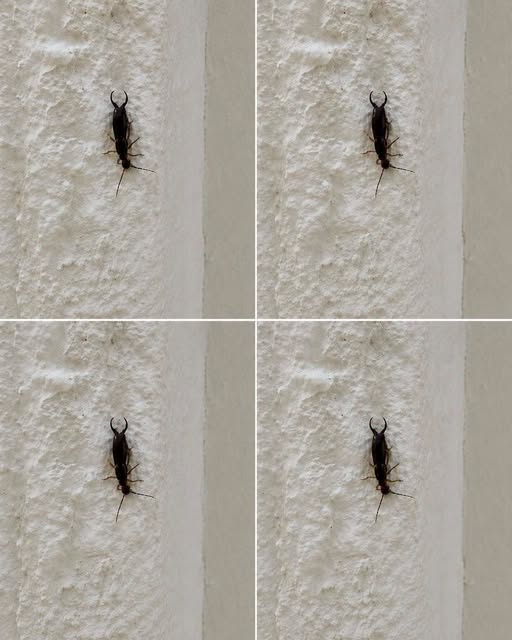
Understanding the specific species allows you to determine whether the insect is merely a seasonal visitor or a potential indicator of environmental conditions within your home that require attention. Insects often enter dwellings through common structural vulnerabilities, such as gaps around windows, door frames, or small cracks in the foundation. Once inside, they are frequently drawn to areas that provide essential resources like moisture, food particles, or shelter. Basements, kitchens, and bathrooms are particularly common hotspots because they often harbor the humidity and organic matter that many pests find attractive. By focusing on these specific zones, you can often identify why an insect has taken up residence and take targeted steps to discourage further activity. It is helpful to remember that many insects are simply looking for a temporary refuge from outdoor temperatures or moisture fluctuations.
The most reliable way to manage household pests is through proactive prevention rather than reactive chemical intervention. Before reaching for sprays or powders, it is vital to recognize that random chemical use is often ineffective and potentially unnecessary. Many over-the-counter pesticides are designed for specific types of insects; applying them blindly can fail to address the root cause of the problem while introducing unnecessary substances into your living environment. Instead, focus on mechanical and environmental controls that make your home less hospitable to unwanted guests. This includes sealing entry points with caulk or weather stripping, ensuring that food is stored in airtight containers, and managing waste effectively to remove potential attractants. Furthermore, reducing indoor humidity through proper ventilation or the use of dehumidifiers can significantly decrease the likelihood of attracting moisture-loving insects. Regular maintenance of plumbing fixtures also helps by eliminating small leaks that provide a consistent water source for various pests.
Distinguishing between a single insect and a larger infestation is a critical step in deciding your next move. Finding one bug does not necessarily mean your home is compromised or unsafe. It is common for insects to wander indoors during extreme weather changes or simply by accident. However, if you observe multiple insects, signs of nesting, or evidence of structural damage, it is appropriate to consider that a larger population may be present. In such instances, a professional inspection can provide clarity and help you develop a comprehensive management plan tailored to your specific situation. Professionals possess the expertise to identify the species correctly, locate the source of the infestation, and recommend treatments that are both safe and effective for your household. They can also offer specific advice on structural improvements that are unique to your home’s architecture.
Maintaining a clean and organized home remains one of the most powerful tools in your arsenal. Clutter provides ample hiding spots for various pests, making it difficult to detect them until a population has already established itself. Regular cleaning routines, such as vacuuming behind appliances, clearing out dark storage areas, and wiping down surfaces to remove crumbs, will drastically reduce the appeal of your home to potential invaders. By staying vigilant and addressing small issues as they arise, you can prevent minor annoyances from escalating into significant problems that require extensive intervention. This disciplined approach not only keeps your living space comfortable but also provides peace of mind, knowing that you have taken sensible, evidence-based steps to protect your property from unwanted insect activity. Consistent monitoring of areas like pantry shelves and under-sink cabinets can reveal issues long before they become visible to the casual observer.
In summary, the key to managing household insects lies in patience, identification, and sanitation. Avoid the urge to panic or resort to harsh chemicals at the first sign of a bug. By sealing potential entryways, eliminating moisture sources, and keeping your home tidy, you create a natural barrier against most common pests. If you find yourself facing a persistent issue, consult with a qualified pest control service to ensure a safe and effective resolution. A proactive, practical mindset is always more effective than reactive alarmism when maintaining a healthy home environment. By focusing on these fundamental principles, you can effectively protect your living space while maintaining a calm and rational perspective on the occasional presence of insects.