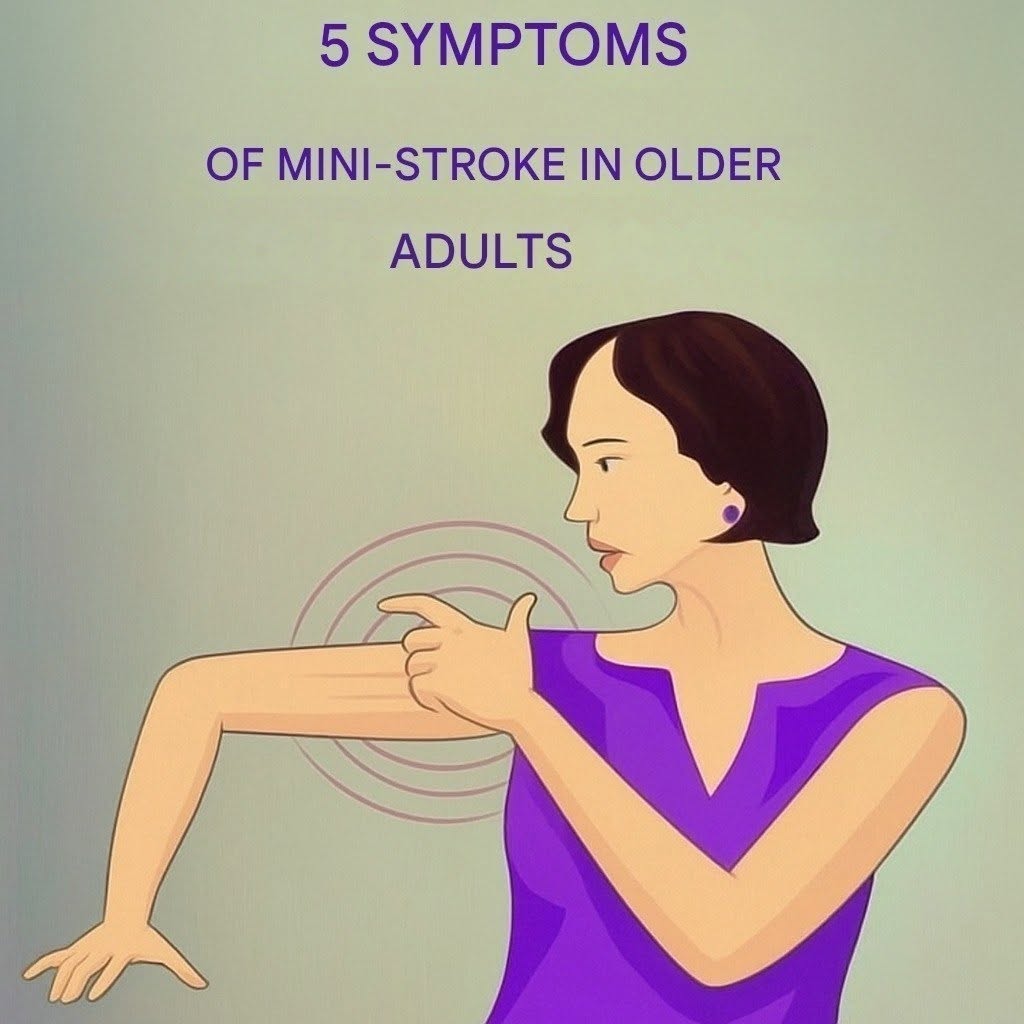
One of the most common signs of a TIA is the sudden onset of weakness or numbness affecting the face, arm, or leg—typically on just one side of the body.
A person may suddenly struggle to lift one arm, drop objects, drag one foot while walking, or notice that one side of the body feels unusually heavy or numb.
Even if normal strength returns after a few minutes, emergency evaluation is still essential.
2. Face Drooping
A TIA may temporarily affect the muscles controlling facial movement. One side of the face may droop, causing an uneven smile or making it difficult to move part of the face.
A simple way to check is to ask the person to smile. If one side of the mouth doesn’t rise normally, treat it as a possible stroke symptom and seek emergency care immediately.
3. Difficulty Speaking or Understanding Speech
Sudden speech problems are another important warning sign. Someone experiencing a TIA may:
- Slur their words.
- Struggle to find simple words.
- Speak in a confusing or nonsensical way.
- Have difficulty understanding what others are saying.
These symptoms should never be dismissed as ordinary forgetfulness or age-related confusion when they develop suddenly.
4. Sudden Vision Changes
A TIA can temporarily affect vision. Symptoms may include:
- Blurred vision.
- Double vision.
- Partial loss of vision.
- Temporary blindness in one eye.
- Difficulty focusing.
Any sudden change in vision—especially when accompanied by other neurological symptoms—requires immediate medical attention, even if eyesight returns to normal.
5. Sudden Dizziness, Loss of Balance, or Difficulty Walking
Some TIAs affect the areas of the brain responsible for balance and coordination.
A person may suddenly:
- Feel dizzy or lightheaded.
- Lose their balance.
- Stumble while walking.
- Feel that the room is spinning.
- Lean unexpectedly to one side.
Although dizziness can have many causes, sudden dizziness occurring alongside weakness, speech problems, vision changes, or numbness should be treated as a medical emergency.
Remember the FAST Test
The FAST acronym helps recognize the most common warning signs of stroke and TIA:
- F – Face: Ask the person to smile. Does one side droop?
- A – Arms: Ask them to raise both arms. Does one arm drift downward?
- S – Speech: Is their speech slurred or difficult to understand?
- T – Time: Call emergency services immediately.
Even if the symptoms disappear before medical help arrives, emergency evaluation is still necessary.
Why Immediate Care Matters
A TIA may last only a few minutes, but it often signals an increased risk of a future stroke. Early medical evaluation allows healthcare professionals to identify possible underlying causes, including:
- High blood pressure.
- Atrial fibrillation (an irregular heartbeat).
- Narrowed arteries.
- Diabetes.
- High cholesterol.
- Blood clots or other circulation problems.
Timely treatment can significantly reduce the risk of a major stroke.
The five warning signs of a mini stroke that should never be ignored are:
- Sudden weakness or numbness on one side of the body.
- Facial drooping.
- Trouble speaking or understanding speech.
- Sudden vision changes.
- Dizziness, loss of balance, or difficulty walking.
Because a TIA can be the first warning of a more serious stroke, every minute counts. If you or someone else develops these symptoms—even if they quickly disappear—call emergency services immediately. Prompt evaluation and treatment can help prevent permanent brain injury and save lives.
Disclaimer: This article is for educational purposes only and is not a substitute for professional medical advice. If you think someone may be having a stroke or transient ischemic attack (TIA), call emergency services immediately. Do not wait for symptoms to improve.