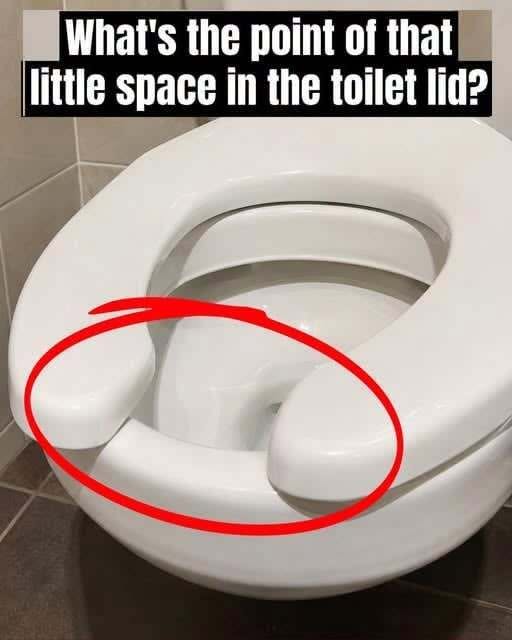
and that is precisely why this design has become the industry standard for commercial spaces. By removing the front portion of the seat, designers have created a solution that directly mitigates the risk of accidental contact with contaminated surfaces. In a busy environment like an airport terminal, a stadium, or a bustling office building, the potential for urine splashes and drips is significantly higher than in a home bathroom. The open-front design minimizes the surface area available for such contamination, ensuring that users are less likely to come into direct skin contact with areas that might have been soiled by previous occupants. This focus on hygiene is not just about personal comfort; it is a critical component of maintaining sanitary conditions in spaces where hundreds of people may use the same facility throughout a single day. Furthermore, the absence of a front bridge makes the cleaning process much more efficient for custodial staff. Maintenance crews can wipe down the seat and the surrounding porcelain area with greater ease, as there are fewer crevices and corners where bacteria and grime can accumulate. This streamlined cleaning process is essential for facilities that must adhere to strict sanitation schedules while managing heavy foot traffic.
Beyond the immediate hygienic advantages, the U-shaped seat offers significant economic benefits for facility managers. The reduction in material usage—while seemingly modest on a per-unit basis—translates into substantial cost savings when scaled across large institutions or nationwide chains. When a facility manages hundreds of restrooms, the cumulative reduction in manufacturing costs and the long-term savings on replacement parts become a vital part of the operational budget. These savings allow for more frequent upgrades and better maintenance of other restroom components, ultimately creating a more pleasant experience for the public. The lower cost of production also means that when a seat inevitably needs to be replaced due to wear and tear, the financial burden on the facility is minimized.
There is also a surprising security benefit to this design choice. The U-shaped seat is inherently specialized, making it a poor fit for the standard, fully enclosed bowls found in residential homes. Because these seats do not offer a comfortable or functional fit for domestic toilets, they are significantly less appealing to potential thieves. This design feature acts as a passive deterrent against the theft of restroom hardware, which can be a recurring and costly problem for public facilities. By choosing a design that is clearly intended for commercial use, managers can reduce the frequency of vandalism and theft, ensuring that the facilities remain fully equipped for the public.
The integration of these seats into public infrastructure is a testament to the importance of practical design in shared spaces. While it might seem like a minor detail, the evolution of the toilet seat reflects a broader commitment to public health and operational efficiency. By prioritizing features that simplify cleaning and reduce the likelihood of contamination, facility managers can maintain higher standards of cleanliness with fewer resources. This is particularly important in environments where the volume of users makes constant monitoring impossible. The design effectively bridges the gap between the need for high-capacity utility and the necessity of maintaining a sanitary environment for diverse users.
Ultimately, the U-shaped toilet seat is a prime example of functional design that prioritizes the needs of the many over the preferences of the individual. It balances the requirements of sanitation, ease of maintenance, and cost-effectiveness in a way that enclosed seats simply cannot match. When you encounter one of these seats, you are seeing the result of decades of practical refinement aimed at keeping public spaces clean and operational. The next time you find yourself in a public restroom, you can appreciate the thoughtful engineering that went into that simple, open-front design. It serves as a reminder that even the most mundane objects in our daily lives often have a logical, well-considered purpose behind their appearance. Understanding these design choices helps us better appreciate the infrastructure that keeps our public spaces functional, hygienic, and accessible for everyone who needs them in their daily travels. In conclusion, the U-shaped seat remains the most effective solution for public sanitation, providing a durable and hygienic standard that manages the realities of high-traffic usage while ensuring long-term economic viability for facility owners.