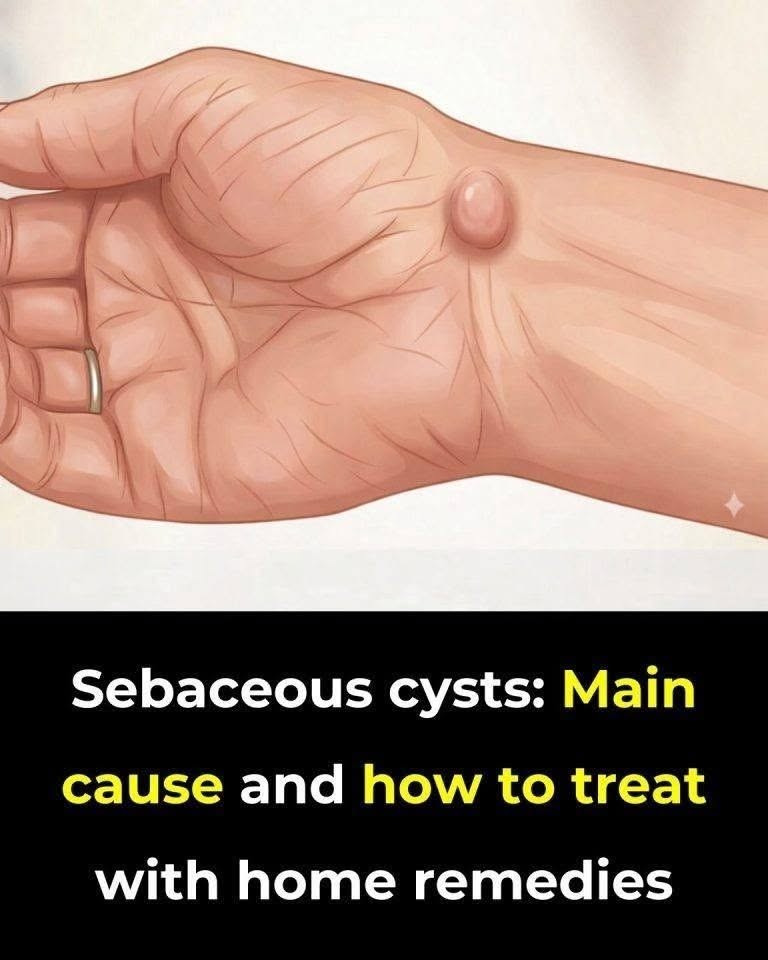
Epidermoid cysts typically develop when skin cells that would normally shed from the surface become trapped beneath the skin. Instead of falling away, these cells continue to multiply, forming a sac that fills with keratin, a soft, cheese-like material made from the same protein found in skin, hair, and nails.
They may also develop after injury to the skin, irritation, or blockage of a hair follicle. Although they can occur almost anywhere on the body, they are most commonly found on the face, neck, scalp, back, and torso.
What Does It Look Like?
A typical epidermoid cyst appears as:
- A small, round lump beneath the skin.
- A slow-growing bump that may remain unchanged for months or even years.
- Usually painless unless it becomes inflamed or infected.
- Sometimes featuring a tiny dark spot (called a punctum) at its center.
Many people discover a cyst accidentally while washing or dressing because it often causes no symptoms.
Can You Treat It at Home?
Home care may help relieve mild discomfort, but it usually will not eliminate the cyst itself.
The safest approach includes:
- Applying a warm, moist compress for 10 to 15 minutes several times a day.
- Keeping the area clean and dry.
- Avoiding unnecessary friction or pressure.
A warm compress may encourage natural drainage if the cyst is close to the skin’s surface and can help reduce discomfort.
Avoid Squeezing or Cutting It Yourself
Although it can be tempting to pop a cyst, healthcare experts strongly advise against doing so.
Attempting to squeeze, puncture, or cut a cyst at home can:
- Introduce bacteria and cause infection.
- Increase inflammation and pain.
- Lead to scarring.
- Leave part of the cyst wall behind, making it more likely to return.
Removing the contents alone does not remove the cyst lining, which is why cysts often recur if not treated properly.
When Should You See a Healthcare Professional?
Seek medical advice if the lump:
- Becomes red, warm, swollen, or painful.
- Begins draining pus or repeatedly leaks fluid.
- Grows rapidly.
- Interferes with movement or daily activities.
- Keeps returning after draining.
- Develops in an unusual location.
- Is a new lump that has not been evaluated.
Because many different conditions can cause skin lumps, it’s important to have any unexplained growth examined to confirm the diagnosis.
Medical Treatment Options
If a cyst is causing symptoms or complications, a healthcare professional may recommend one or more of the following:
- Observation if the cyst is small and symptom-free.
- Medication to reduce inflammation in selected cases.
- Drainage when the cyst is swollen or infected.
- Minor surgical removal, which removes both the cyst and its lining and offers the best chance of preventing recurrence.
The most appropriate treatment depends on the size, location, and condition of the cyst.
The Bottom Line
Most epidermoid cysts—often mistakenly called sebaceous cysts—are harmless and do not require treatment. If they are not causing discomfort, they can often simply be monitored.
The safest home care is to keep the area clean, apply a warm compress if needed, and resist the urge to squeeze or cut the cyst yourself. If the lump becomes painful, changes in appearance, shows signs of infection, or you’re unsure what it is, schedule an evaluation with a healthcare professional for an accurate diagnosis and appropriate care.