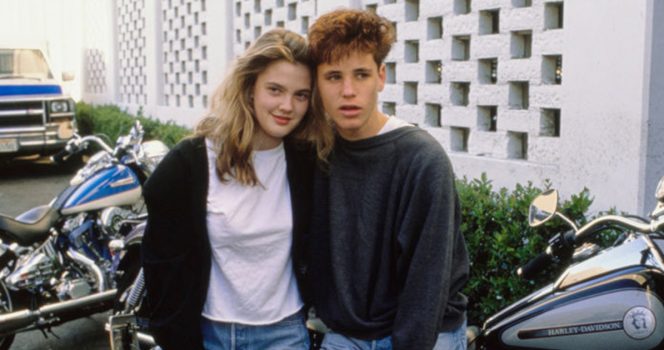
Born on December 23, 1971, in Toronto, Canada, Haim was a naturally shy child. Hoping to help him gain confidence, his parents enrolled him in acting classes. The decision proved life-changing. By the age of 10, he was appearing in television commercials before landing a role in the Canadian series The Edison Twins, where his talent quickly became apparent.
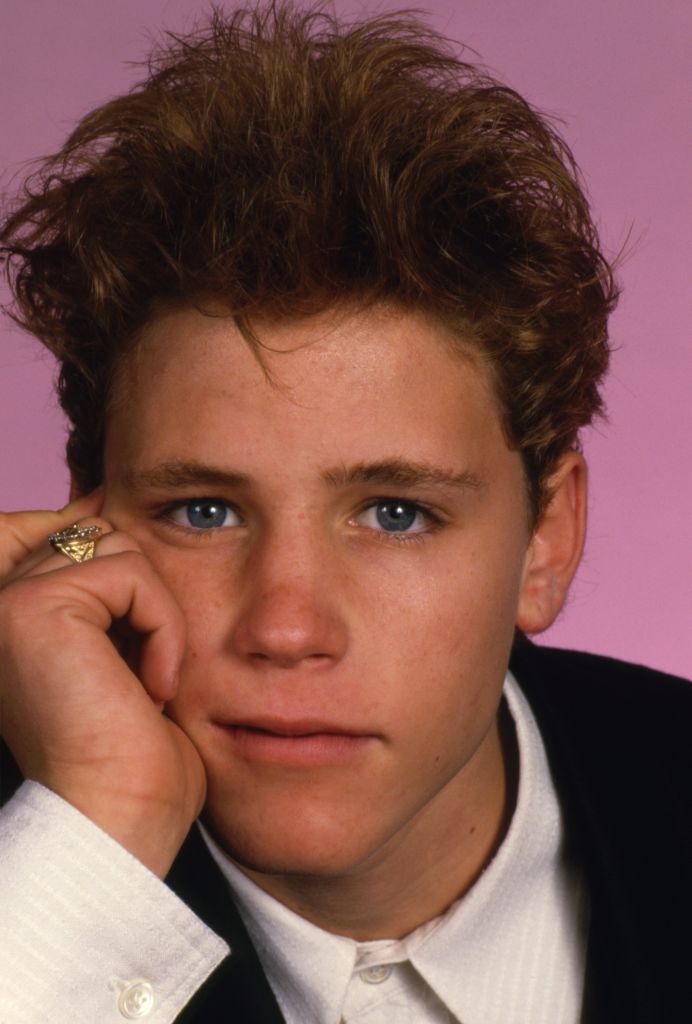
While his acting career was taking off, life at home became more complicated after his parents divorced. Despite the emotional challenges, Haim continued pursuing acting and earned critical praise for his performance in the 1984 film Firstborn. Film critic Roger Ebert described the young actor as one of the most impressive child performers of his generation and predicted a bright future.
That prediction seemed to come true in 1987 when Haim starred alongside Corey Feldman in the vampire thriller The Lost Boys. The film became a major success and instantly transformed both actors into teen idols. Their friendship and on-screen chemistry led to several more projects together, making “The Two Coreys” one of Hollywood’s most recognizable duos.
As his popularity exploded, Haim found himself living a life few teenagers could imagine. Thousands of fan letters arrived from around the world, movie premieres became regular events, and his every move attracted media attention. While exciting, the sudden fame also brought enormous pressure.

Like many young actors working full time, Haim left traditional schooling early to focus on his career. He became a familiar face within Hollywood’s young celebrity scene, spending time with other teenage performers as his professional success continued to grow.
Unfortunately, the pressures of fame were accompanied by increasingly serious substance abuse.
According to Haim’s own accounts, he began drinking alcohol while filming Lucas in 1986. Soon afterward, marijuana use followed, and after moving to Los Angeles, his addiction escalated to cocaine and later crack cocaine. At just 18 years old, he entered rehabilitation for the first time.
Recovery proved far more difficult than anyone had hoped.
Over the following years, Haim openly described himself as someone who repeatedly relapsed. In addition to illegal drugs, he developed a dependency on prescription medications, later revealing that there were periods when he consumed dozens of pills each day.
As his addiction worsened, his once-promising acting career began to decline. Roles became increasingly difficult to secure, and financial problems mounted. Much of his income disappeared through medical expenses, rehabilitation programs, and the ongoing costs associated with addiction.
By 1997, Haim filed for bankruptcy after exhausting much of the fortune he had earned as a successful young actor.
His struggles became painfully public through television documentaries that showed the dramatic contrast between his days as a Hollywood star and his later circumstances. At one point, cameras captured him living modestly with his mother while desperately attempting to convince casting directors that he was ready to return to work.
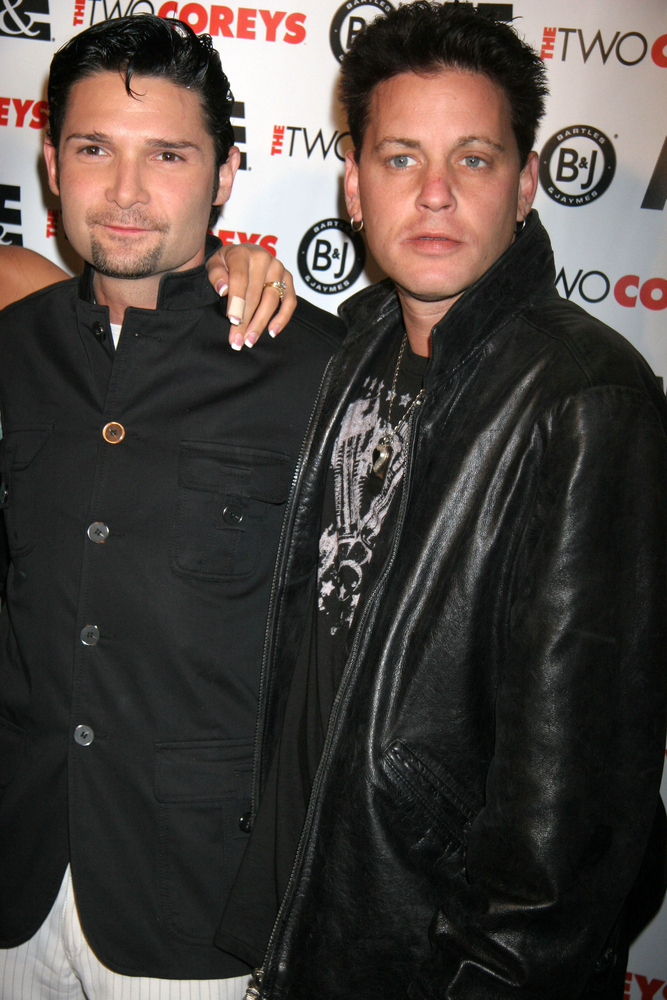
Friends and colleagues later spoke about the devastating impact addiction had on his life. Many believed Haim desperately wanted to recover but found himself trapped in a cycle he could not escape despite repeated attempts at treatment.
Even so, he never completely gave up hope.
After the cancellation of the reality series The Two Coreys in 2008, Haim publicly announced his desire to rebuild both his career and his life. He placed an advertisement in the entertainment publication Variety, telling industry professionals that he was ready to work again and eager to make amends.
Sadly, that comeback never fully materialized.
On March 10, 2010, Corey Haim died at the age of 38.
Because prescription medications were found in his home, early reports suggested his death may have been caused by an accidental overdose. Investigators also discovered that he had obtained hundreds of prescription pills from multiple doctors during the weeks before his death.
However, the official autopsy later concluded that Haim died from complications of pneumonia. While prescription medications were present in his system, medical examiners determined they were not the direct cause of his death.
Following his passing, renewed attention focused on the pressures faced by child actors and the long-term effects of addiction. Friends, colleagues, and fans remembered Haim not only for his struggles but also for the extraordinary talent that had made him one of the most beloved young actors of his generation.
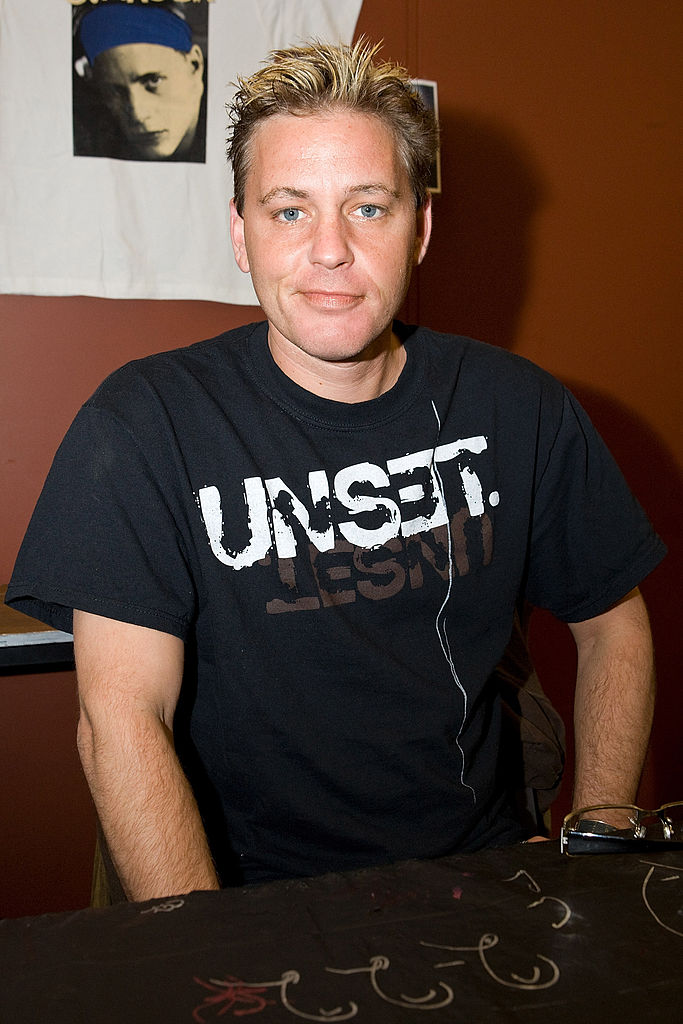
Years later, Corey Feldman publicly alleged that both he and Haim had experienced sexual abuse while working in the entertainment industry as children. Those allegations generated significant public attention and controversy. Charlie Sheen, who was specifically accused in Feldman’s documentary, has repeatedly and categorically denied the claims through his representatives. Haim’s mother also disputed aspects of Feldman’s broader allegations while acknowledging that her son had disclosed experiencing abuse by another individual.
Despite the controversies that followed his death, Corey Haim’s artistic legacy remains firmly tied to the films that defined an era. Movies such as The Lost Boys, License to Drive, Lucas, and Dream a Little Dream continue to introduce new generations of viewers to the charismatic performer who once seemed destined for a lifetime of Hollywood success.
Corey Haim’s story is often remembered as both a celebration of remarkable talent and a cautionary reminder of the pressures young performers can face. Although his life ended far too soon, his performances continue to resonate with audiences who remember the warmth, humor, and natural charisma that made him one of the defining teen stars of the 1980s.